



Follow the Crowd
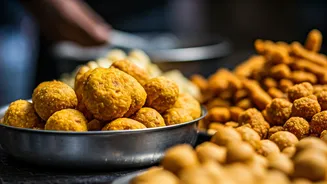
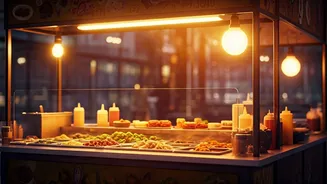
This is the golden rule of street food exploration. [4, 7] A long line, especially one filled with local families, is the best advertisement a vendor can have. [3, 11] High customer turnover means the food is being cooked fresh and hasn't been sitting
around collecting bacteria. [4, 5] A busy stall is a sign of trust within the community, indicating both delicious and reliable food. While a deserted stall might mean a shorter wait, it could also mean the ingredients are not as fresh. Locals know best, so eat where they eat. [12]
Heat Is Your Best Friend
When in doubt, go for foods that are cooked to order at high temperatures. [4, 7] Think sizzling woks, deep-fried goodies, or items fresh off the grill. That intense heat is a powerful sanitiser, killing most harmful bacteria like E. coli and Salmonella. [3, 8, 9] Don't be alarmed if a vendor re-fries something like a samosa or tikki; this is a common practice to serve it piping hot and adds an extra layer of safety. [2, 12] On the other hand, be wary of foods that are pre-cooked and have been sitting at room temperature for a while. [9] The rule is simple: hot food should be steaming hot. [13]
The Water and Ice Question
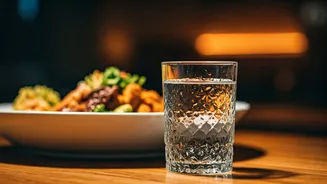
Contaminated water is a primary cause of foodborne illnesses. [4] This is especially critical for items like pani puri, chutneys, and fresh juices. [9] The water used in these preparations can be a source of bacteria if it's not from a clean source. [9, 10] Many travellers and savvy locals avoid ice in street-side drinks altogether, as it's often made from unfiltered tap water. [3, 5] A safer bet for hydration is sealed bottled water or fresh coconut water straight from the source. [4] When it comes to juices, always ask the vendor to press it in front of you rather than buying a pre-made cup. [2, 12]
Conduct a Quick Hygiene Audit
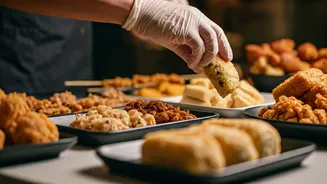
You can tell a lot about a stall's safety standards just by looking. Observe the vendor's personal hygiene—are their hands and nails clean? [11] Check the condition of their equipment: are the utensils, cutting boards, and counters visibly clean? [7, 13] A professional setup will often have separate cutting boards for raw and cooked items to prevent cross-contamination. [13] Also, look at how they handle money and food. A good vendor will avoid touching food directly after handling cash. A clean stall is a good sign of safe food. [11] Some vendors may even display an FSSAI registration certificate, which shows they are recognized by the food safety authority. [6, 18]
Be Smart About Raw Foods
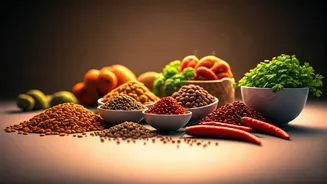
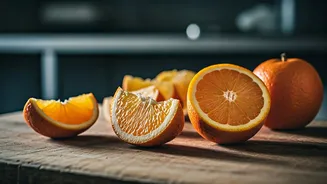
Uncooked items carry a higher risk. Salads and pre-cut fruits, for example, might have been washed in contaminated water. [3, 10] It’s generally safer to opt for fruits that you can peel yourself, like bananas or oranges. [3, 12] Chutneys and sauces that have been sitting out, especially in the sun, can also be a breeding ground for bacteria. [2] While these accompaniments are delicious, be mindful. If a chutney looks or smells off, it's best to skip it. The same caution applies to pre-made dairy products that haven't been properly refrigerated. [3]
Trust Your Gut (Literally)
Your senses are your first line of defence. If you approach a stall and the food smells funky or the oil looks old and murky, walk away. [5, 7] Your intuition is often right. Food that has been sitting out for a long time or is exposed to flies is a definite red flag. [7] Pathogens like Staphylococcus aureus and Bacillus cereus can thrive in improperly stored food. [8, 19] Being an adventurous eater doesn't mean you have to take unnecessary risks. There is always another, better stall just around the corner.