






The Foundation: Your Pre-Travel Meal
Your travel day food strategy begins before you even leave. Aim for a substantial, balanced meal at home or your hotel. A breakfast with protein, whole grains, and fruit can keep you full longer and reduce the temptation of mid-morning junk food. Options
like oatmeal with nuts, a whole-wheat sandwich, or eggs can provide sustained energy. It's also crucial to start hydrating well before you leave for the airport; dehydration is a common side effect of flying that can start sooner than you think. Eating a light, easily digestible meal helps prevent the bloating and discomfort that can be exacerbated by cabin pressure. Avoid heavy, fried, or excessively spicy foods that might cause digestive issues later.
Phase 1: Packing Smart Snacks
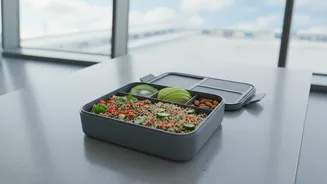
This is your secret weapon against high airport prices. Packing your own snacks is not only economical but also ensures you have healthy options on hand. Focus on non-perishable items that can clear security easily. Think whole fruits like apples and bananas, nut mixes, granola bars, and roasted chickpeas or edamame. Sandwiches or wraps are also excellent choices for a more substantial bite. If you pack items like hummus or yogurt, be mindful of the 100ml liquid restriction in cabin baggage. Having these snacks ready means you can eat when you are actually hungry, rather than being forced to buy whatever is available during a travel delay. Also, pack an empty reusable water bottle to fill up at drinking stations after you clear security—it's free and keeps you hydrated.
Phase 2: Navigating Transit and Pre-Security
The journey to the airport is often a dead zone for good food options. This is where your pre-packed snacks come into play. Instead of making an impulse stop for overpriced and unhealthy snacks en route, you can rely on what you brought. If you do need to buy something before security, prices are sometimes slightly lower than those inside the terminal. Many travellers find that having a meal before even entering the airport is the most cost-effective strategy of all. This minimises stress and keeps your budget intact. Remember that the goal is to arrive at security feeling calm and satiated, not rushing and 'hangry'.
Phase 3: Making Smart Choices Post-Security
Once you're through security, you're a captive audience to airport pricing. But you can still make smart decisions. If you haven't packed enough food, take a moment to assess your options. Many airport websites list their food vendors by terminal, allowing you to plan ahead. Food courts often provide better value than sit-down restaurants. In India, the government-backed UDAN Yatri Cafe initiative is also a game-changer, offering affordable snacks and drinks like tea for ₹10 and samosas for ₹20 at a growing number of airports. These outlets are specifically designed to combat high airport food prices for the everyday traveller. If you're buying a meal to take on the plane, like a salad or sandwich, remember food safety rules: consume it within two hours of it being removed from refrigeration.
The Final Leg: In-Flight and Arrival
Whether or not you eat the airline meal is a personal choice. For short-haul flights, your packed snacks might be more than enough. On long-haul flights, the provided meal can help adjust your body clock to a new time zone. However, airline food is often high in sodium. Supplementing with your own healthier options, like fruit or nuts, can be a great strategy. The key is to listen to your body's hunger cues rather than eating just because food is served. Proper hydration remains vital throughout the flight, so keep sipping on water. Arriving at your destination well-fed and hydrated means you'll feel more energetic and ready to begin your trip without an immediate, desperate search for food.