






A New Philosophy on Ageing
In studios and on screens across India, a quiet revolution is underway. A new generation of yoga instructors is redefining the practice for their peers and for the future. Moving beyond the aesthetic-driven, high-intensity workouts that dominated social
media for years, these practitioners are championing a more profound, sustainable approach. Their focus isn't on defying age, but on embracing it with strength, grace, and vitality. This isn’t your parents’ gentle stretching class; it’s a proactive, holistic strategy for what scientists call 'healthspan'—the number of years we live in good health. For them, yoga is not a remedy for the aches of old age, but a powerful tool to build a resilient body and mind, starting in one's 20s and 30s.
More Than Just Physical Poses
The core of this movement lies in its return to yoga's holistic roots. While asanas (physical postures) are fundamental for maintaining flexibility, strength, and balance, next-gen teachers are equally emphasizing other, often-neglected limbs of yoga. Pranayama (breath control) is at the forefront. Techniques like Nadi Shodhana (alternate nostril breathing) are taught not just for relaxation, but for their proven ability to calm the nervous system and lower cortisol, the stress hormone that accelerates ageing. Similarly, dhyana (meditation) and mindfulness practices are integrated into every class, training the mind to stay sharp, focused, and adaptable—key components of cognitive health as we grow older. This approach treats the body and mind as an interconnected system, where one cannot thrive without the other.
The Science Behind the Practice
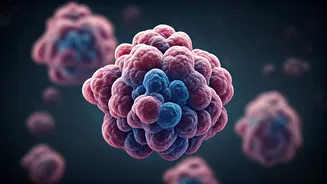
This philosophy isn't just ancient wisdom; it's backed by modern science. Numerous studies have begun to quantify what yogis have known for centuries. Research indicates that a consistent yoga practice can positively influence biomarkers of ageing. For instance, studies have suggested that yoga and meditation can help preserve the length of telomeres, the protective caps at the ends of our chromosomes that shorten with age and stress. A longer telomere is associated with healthier cellular ageing. Furthermore, the combination of physical activity, mindful breathing, and focused attention in yoga has been shown to enhance neuroplasticity—the brain’s ability to reorganise itself by forming new neural connections. This is crucial for maintaining cognitive function and memory well into our later years.
Building a Foundation for the Future
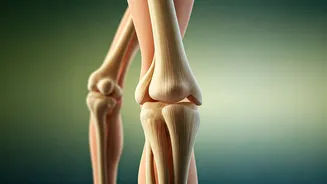
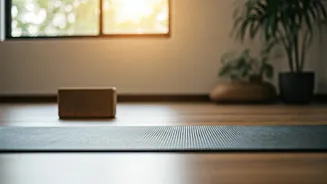
So what does this look like on the mat? The practices prioritised for healthy ageing are often less about acrobatic feats and more about building a durable foundation. You’ll find a strong emphasis on joint mobility exercises to ensure a full range of motion, balance-focused postures like Tree Pose (Vrikshasana) and Eagle Pose (Garudasana) to prevent falls later in life, and core-strengthening work to support the spine. Restorative poses, where the body is fully supported by props like bolsters and blankets, are used to trigger the body's 'rest and digest' response, facilitating deep cellular repair. The goal is consistency over intensity, creating a sustainable practice that can be adapted and continued through every decade of life.
From Anti-Ageing to Pro-Vitality
Perhaps the most significant contribution of this new generation is a powerful mindset shift. They are rejecting the frantic, fearful narrative of 'anti-ageing' and replacing it with a joyful, empowering one of 'pro-vitality.' The conversation is no longer about fighting wrinkles or hiding grey hair. Instead, it’s about cultivating inner radiance, mental clarity, and the physical energy to live a full and meaningful life at any age. It's an acceptance that while ageing is inevitable, the decline in quality of life is not. These young practitioners are not just teaching yoga; they are teaching a philosophy of life—one where every breath and every movement is an investment in a healthier, happier future self.