


Why the Monsoon Magnifies Food Spoilage
The monsoon's combination of high humidity and warm temperatures creates an ideal breeding ground for bacteria and mould. Humidity levels, often soaring to 80-90%, mean that moisture is constantly in the air, ready to settle on food surfaces. Bacteria
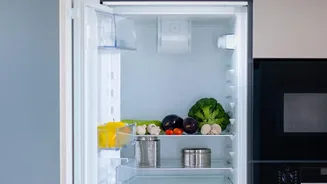
multiply exponentially in the 'danger zone' between 4°C and 60°C. During the monsoon, food left on the counter can enter this zone quickly. Even refrigerators work harder and can struggle to maintain a consistently cool temperature, especially with frequent door openings or power cuts, which are common during this season. This environment dramatically shortens the safe shelf-life of cooked food; a dish that might last for days in winter can become unsafe in less than 24 hours.
The Golden Rules of Storing Leftovers
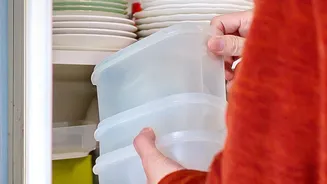
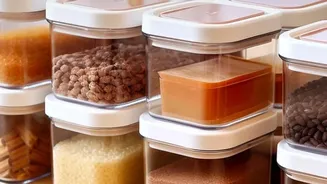
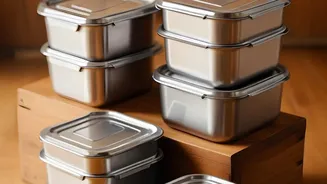
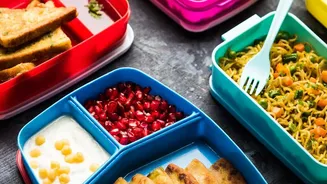
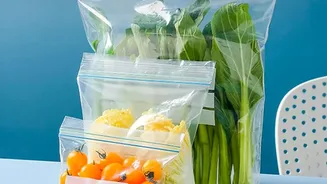
Proper storage is your first line of defence. The most critical rule is to refrigerate leftovers quickly, ideally within an hour or two of cooking. Don't wait for food to cool down completely at room temperature, as this is when bacteria multiply fastest. To speed up cooling, divide large batches of food into smaller, shallow containers. Always use airtight containers. This prevents moisture from getting in and stops the food from absorbing other odours in the fridge. In a humid climate, keeping food away from airborne contaminants is crucial. For high-risk items like dal, rice, and paneer or coconut-based curries, the safe storage window is much shorter during the monsoon, often just 18-24 hours.
When in Doubt, Throw It Out
You cannot always see, smell, or taste the bacteria that cause food poisoning. Many harmful pathogens don't produce any obvious signs of spoilage, even as they multiply to dangerous levels. However, there are some clear warning signs that food has gone bad. Look for any changes in texture, such as slime on cooked vegetables or meat. An off, sour, or mouldy smell is a definite red flag. The appearance of mould, which can be blue, green, white, or black, means the food should be discarded immediately. Never be tempted to just scoop off the mouldy part, as its invisible roots can penetrate deep into the food. With the increased risks during the monsoon, being extra cautious is the safest approach. If you have any doubt about the freshness of a leftover dish, it's best to throw it away.
The Right Way to Reheat for Safety
Reheating isn't just about making food warm; it's about making it safe. The goal is to bring the food to a high enough temperature to kill any bacteria that may have developed during storage. All leftovers should be reheated to an internal temperature of 74°C (165°F). The most reliable way to check this is with a food thermometer. For liquid-based dishes like soups, sauces, and gravies, bringing them to a rolling boil is a good visual indicator that they are hot enough. When using a microwave, cover the food to retain moisture and ensure even heating, stirring it midway through. Stovetop reheating offers better control for even heating. Importantly, never use slow cookers or chafing dishes to reheat food, as they heat too slowly and can keep the food in the bacterial 'danger zone' for too long.
Common Reheating Mistakes to Avoid
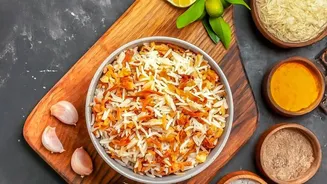
One of the most common mistakes is reheating food more than once. Each time food is cooled and reheated, it passes through the temperature danger zone, increasing the risk of bacterial growth and degrading its quality. It's much safer to only reheat the portion you plan to eat immediately. Another frequent error is related to rice. Cooked rice can contain spores of a bacterium called Bacillus cereus, which can survive the initial cooking. If rice is left at room temperature for too long, these spores can grow into bacteria and produce toxins that are not destroyed by reheating. Therefore, cool rice quickly after cooking and refrigerate it promptly. Avoid reheating a large pot of food partially; ensure the entire dish is heated thoroughly to the safe temperature of 74°C.