

The New Sweet Platter
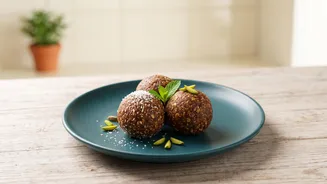
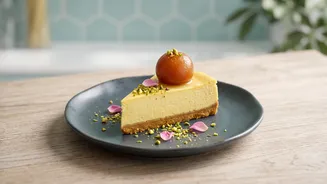
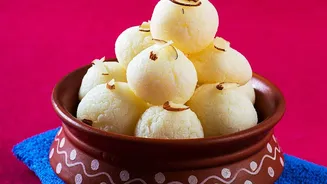
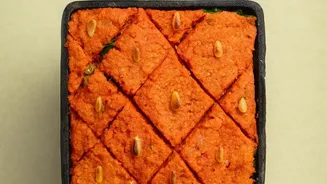
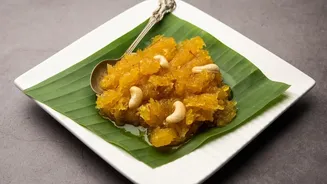
Imagine a Diwali spread featuring not just the beloved Kaju Katli and Jalebi, but also Gulab Jamun cheesecake, dark chocolate-filled modaks, and barfi made with cookies and cream. This isn't a hypothetical menu; it's a reality. Chefs and home cooks are
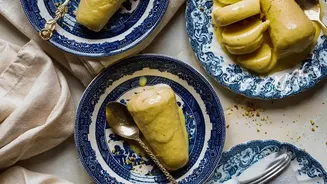
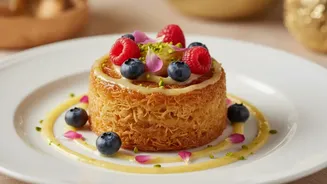
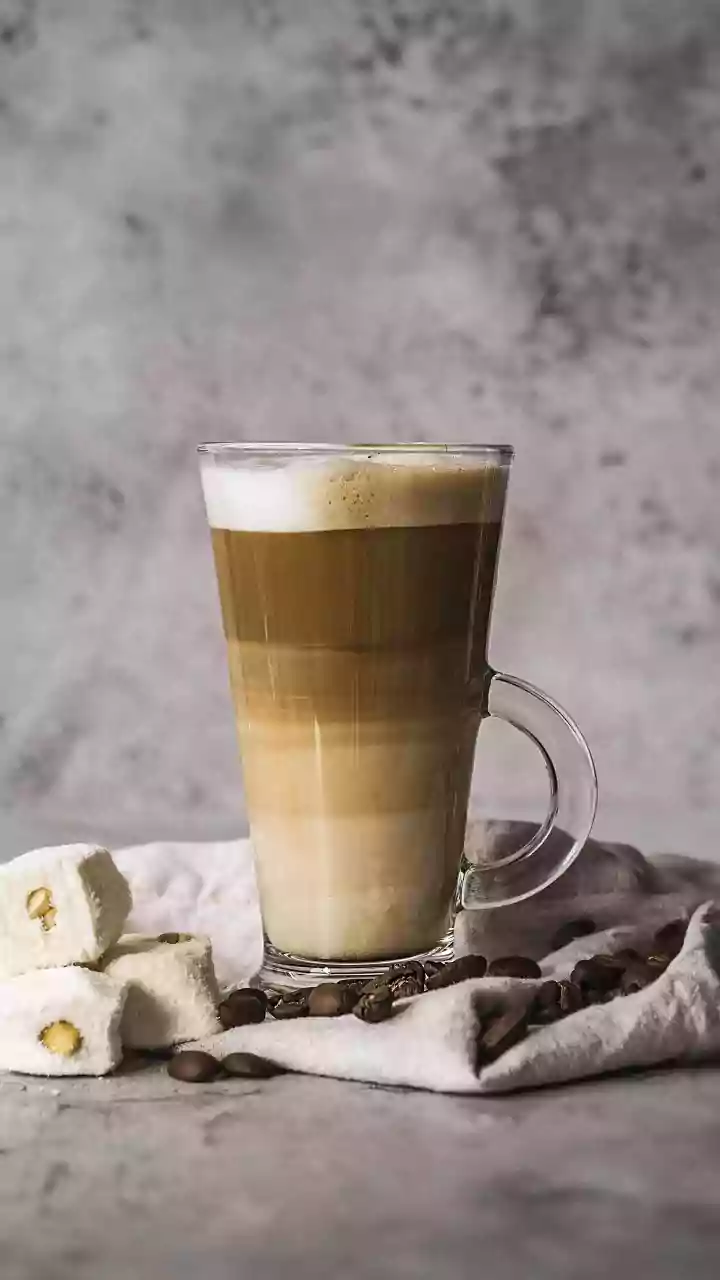
creatively merging classic Indian dessert formats with Western techniques and flavours. Think of a delicate Italian panna cotta infused with the flavours of thandai, or a French-style choux pastry filled with paan-flavoured cream. These fusion desserts offer the nostalgic comfort of traditional sweets but presented in a contemporary, globally-inspired format that is exciting a new generation of food lovers.
A Global Palate Enters the Kitchen
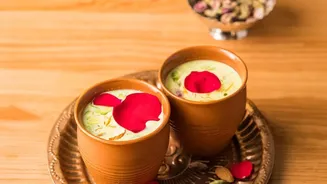
This trend is driven by a growing exposure to global cuisines and ingredients. Palates have become more adventurous, creating a demand for novel experiences even within traditional food formats. Ingredients like Belgian chocolate, matcha, and even lavender are being paired with classic Indian flavours like saffron and rose. This has led to creations like saffron pistachio cupcakes, rasmalai tres leches cake, and even badam halwa-stuffed croissants. The goal is not to overwhelm the original flavour but to create a thoughtful balance, where one element enhances the other. For example, the bitterness of dark chocolate can cut through the sweetness of a traditional peda, creating a more complex and balanced bite.
The Health-Conscious Twist
Beyond global flavours, a significant driver of this innovation is health consciousness. Many are looking for ways to enjoy festive indulgences without the guilt associated with refined sugar and flours. This has led to the rediscovery of traditional, wholesome ingredients and the adoption of new, healthy alternatives. Millets like ragi and jowar are replacing refined flour in everything from ladoos to halwa. Natural sweeteners like jaggery, dates, and honey are being used instead of white sugar, offering a more nutrient-dense sweetness. You can now find quinoa kheer, which provides a protein-packed alternative to the rice-based classic, and ladoos made with dates and nuts, which are naturally sweet and full of fibre and healthy fats. Even chia seeds are being used to create a healthier version of phirni.
Tradition, Evolved
This culinary evolution isn't about erasing tradition but rather reimagining it for a modern context. It reflects a dynamic culture where heritage is not static but a living, breathing thing. By incorporating new ingredients, cooks are personalising age-old recipes, making them their own while still paying homage to their roots. Pastry chefs are applying sophisticated European techniques to traditional Indian flavour profiles, deconstructing mithai to its core components and reassembling it in new and artistic ways. A shahi tukda might be transformed into a cheesecake, or a phirni given a crème brûlée top. This approach respects the soul of the original dessert while presenting it in a form that feels fresh and contemporary.