





What is ChatGPT and Why Do Teens Use It?
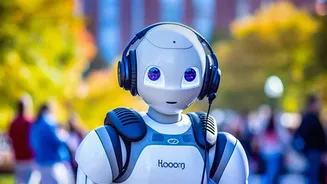
At its core, ChatGPT is a powerful AI chatbot that can understand and generate human-like text. For a teenager juggling homework, projects, and exams, this can feel like having a super-smart study assistant. Surveys show a growing number of teens use
it for school. They turn to it for everything from simplifying complex topics like Shakespearean English to getting help with tricky math problems. It can act as a brainstorming partner for an essay, a tool to summarize dense reading material, or even a programming buddy that helps debug code. The appeal is clear: it offers instant, on-demand support for their academic challenges, making learning feel more manageable and less intimidating.
The Bright Side: AI as a Personalised Tutor
When used thoughtfully, AI can be a powerful educational ally. One of its greatest strengths is offering personalised learning. If your child is struggling with a concept, ChatGPT can explain it in multiple ways until it clicks, something a busy teacher might not have time for. It can provide immediate feedback on writing, suggest improvements, and help students organise their thoughts. For students who are shy about asking questions in class, the AI provides a judgment-free zone to explore their curiosity. This can boost their confidence and engagement with subjects they previously found difficult. The key is using AI to supplement learning, not to replace the effort of thinking and understanding.
The Pitfalls: Cheating, Privacy, and Misinformation
The primary concern for many parents and educators is academic dishonesty. It's easy for a student to simply copy and paste an AI-generated essay. Beyond cheating, there are other significant risks. AI chatbots require users to input information, which raises privacy concerns; it's crucial that teens know not to share personal data. Another major issue is accuracy. AI models can, and do, make mistakes or 'hallucinate' facts. A student who blindly trusts an AI-generated answer might end up with incorrect information. Furthermore, there are worries about over-dependence, where students may not develop essential critical thinking and problem-solving skills because the AI does the heavy lifting for them.
Your Action Plan: Fostering Healthy AI Habits
Banning AI tools is likely ineffective, as your teen will still encounter them outside the home. A more productive approach is to establish clear guidelines. Start by having an open conversation. Ask how they're using AI and what they like about it. Set firm ground rules together, such as defining what constitutes cheating in your family's view. Encourage them to always double-check important information from AI with reliable sources. A great habit is to use the tools with them sometimes. By doing so, you can model responsible use and turn it into a collaborative learning experience rather than a secret they have to hide. Also, be aware of your child's school policies regarding AI use and discuss them openly.
Beyond Homework: AI Ethics and Critical Thinking
This is an opportunity to teach your teenager to be a savvy digital citizen. Discuss the ethics of AI. Talk about how these tools are created and how they can sometimes reflect biases from the data they were trained on. Frame AI not as a source of truth, but as a powerful starting point for their own work. The most important skill you can reinforce is critical thinking. Encourage them to question the AI's output: Is this answer complete? Is it biased? What's a better way to phrase this? The goal is to raise a generation that sees AI as a tool to enhance their own intelligence, not as a substitute for it. By fostering curiosity and a healthy dose of skepticism, you empower them to use technology responsibly.