
The Dimension Trap We All Fall Into
When faced with a messy cupboard or a chaotic drawer, our first instinct is to grab a tape measure. We meticulously note the width, depth, and height, convinced that finding a container that fits the space perfectly is the solution. This isn't wrong,
but it’s only half the story. The problem with this 'dimension-first' approach is that it prioritises the space over the person using it. It treats organisation as a game of Tetris, where the goal is simply to make everything fit. But a home is not a storage unit; it’s a living space. An organiser that fits on the shelf but is difficult to access or requires you to unstack three other boxes to reach will ultimately fail, leading to items being left out and clutter creeping back in.
Think Behaviour, Not Just Bins
The key to unlocking a truly functional system is to shift your mindset from a spatial one to a behavioural one. Before you even think about buying a new basket or box, audit your daily routines. Instead of asking, "What can I fit here?" ask, "What do I do here every day?" Think in verbs: grabbing, searching, sorting, replenishing, putting away. The goal of an organiser is to reduce the friction in these daily actions. If a system is built around your actual habits, you are far more likely to maintain it. This is the core difference between functional organising, which focuses on efficiency, and purely aesthetic organising, which can sometimes prioritise looks over logic. The best system is always the one you can actually sustain.
An Audit of Your Morning Rush
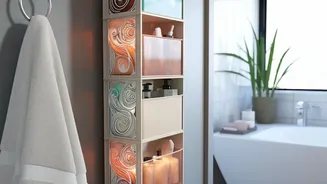
Let’s apply this to a real-life scenario: the frantic morning rush. Where do you get ready? What items do you need to grab within minutes? Perhaps it's your keys, wallet, work ID, and a specific charging cable. A beautiful, lidded box on a high shelf is a terrible choice for these items, even if it fits the decor. Functionally, you need an open-front bin or a simple tray right by the door—a designated 'drop zone' where you can grab and go without thinking. The same logic applies to your bathroom vanity. Daily-use items like your toothbrush, face wash, and moisturiser should be in easily accessible holders or shallow trays. Items used weekly, like face masks, can be stored in a drawer or a bin further back.
Decoding Your Kitchen's Daily Dance
Nowhere is the dance of daily use more apparent than in the kitchen. Storing all your spices in identical, beautifully labelled glass jars seems like a dream. But if you have to hunt through 30 jars to find the turmeric you use every day, the system has failed. A better approach is to create zones based on frequency of use. Keep daily essentials like salt, pepper, and common spices on a small, open turntable or a tiered rack near the stove. Spices for occasional baking can be stored in a drawer or a less accessible part of the pantry. Similarly, heavy-rotation utensils like spatulas and stirring spoons belong in a crock next to the hob, not jumbled in a drawer with the melon baller you use twice a year.
Choosing the Right Tool for the Job
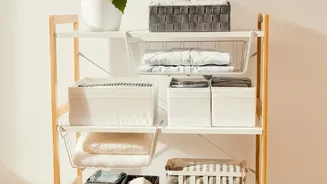
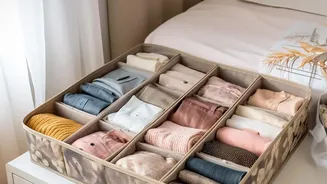
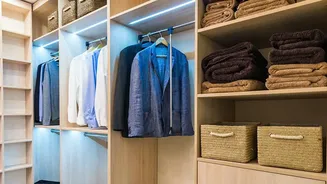
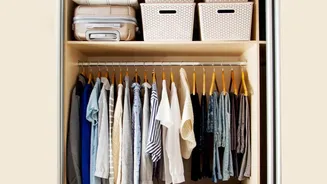
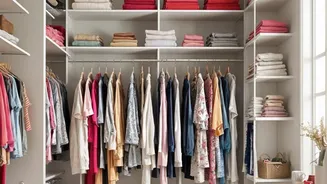
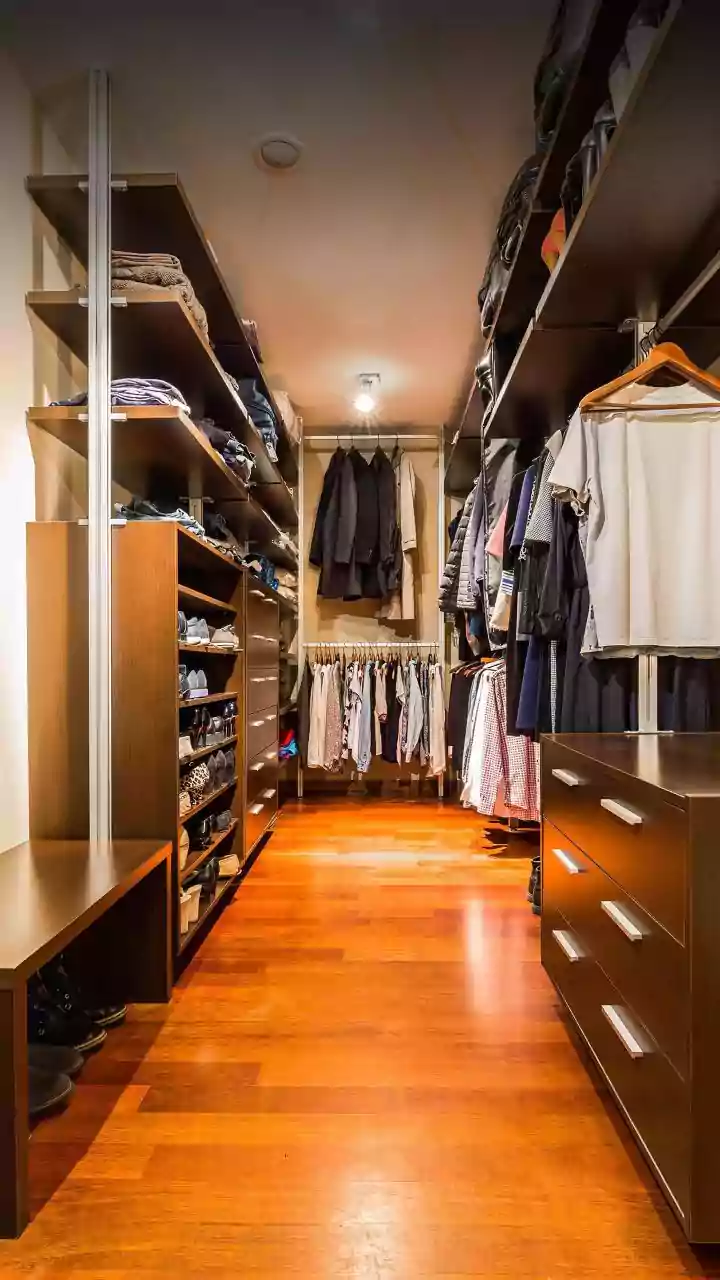
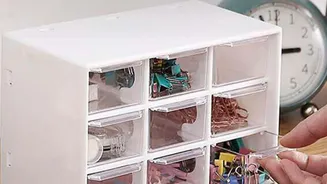
Once you've analysed your habits, you can choose the right type of organiser. Function dictates form. For items you access frequently, clear or open-front containers are ideal because they let you see what’s inside without rummaging. For deep storage, like seasonal clothes or sentimental items, opaque and stackable boxes with clear labels work best. Collapsible fabric bins are great for kids' rooms, as they are easy for small hands to manage and can be folded away when not in use. Don't underestimate the power of a simple label. Even in a functional system, knowing exactly what's in a box saves precious time and mental energy. The goal is to create a home that works for you, not one that just looks good in a photograph.