






Rethink What 'Cosy' Means
Our association of comfort food with heaviness comes from a tradition of using fat, refined carbohydrates, and dairy to create richness. A big bowl of rajma chawal, a creamy pasta, or a buttery paratha feels like a hug in a bowl. But the true essence
of 'cosy' isn't heaviness; it's deep, satisfying flavour and emotional warmth. The goal is to build that soul-soothing taste without relying solely on the ingredients that weigh us down. It's about shifting focus from richness-through-fat to richness-through-flavour. This means learning a few simple techniques to coax maximum taste out of lighter ingredients.
Embrace the Power of Roasting
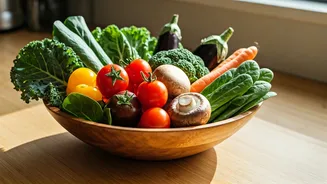
One of the easiest ways to build intense, complex flavour is through roasting. When you roast vegetables like carrots, onions, tomatoes, and pumpkin, their natural sugars caramelise, creating a deep, sweet, and savoury profile that boiling or steaming can't match. This process, known as the Maillard reaction, is your secret weapon. A tray of roasted vegetables can be blended into a soup base that tastes incredibly rich and creamy without a drop of cream. Think of a roasted tomato and bell pepper soup, or a creamy-textured soup made from roasted pumpkin and garlic. The flavour is developed in the oven, not added from a carton.
Build a Better, Lighter Base
Many cosy dishes, from curries to soups, start with a base. Instead of reaching for heavy cream or large amounts of oil, you can create a velvety texture using smarter ingredients. A simple but effective trick is to use pureed vegetables or legumes. Blending a portion of cooked cauliflower, potatoes, or white beans (like cannellini) into a sauce or soup adds body and a creamy mouthfeel. For Indian dishes, a paste of onion, ginger, garlic, and tomato, slowly cooked until it releases its oils, creates a foundation of flavour so profound that you need far less ghee or oil to finish the dish. A well-made dal, for instance, gets its creaminess from the lentils themselves breaking down.
Harness Herbs and Spices
Fat is a carrier of flavour, but it's not the only one. A well-stocked spice cabinet is essential for creating light but comforting food. It’s not just about heat; it's about complexity. Toasted and freshly ground spices like cumin, coriander, and fennel add aromatic depth. Smoked paprika can give a dish a smoky, almost meaty flavour without any meat. A bay leaf, a cinnamon stick, or a few cloves simmered in a stew or dal can transform it from simple to sublime. And don't forget fresh herbs. A handful of fresh coriander, mint, or parsley added at the end of cooking can lift an entire dish, making it taste vibrant and fresh, not heavy.
Acidity Is Your Secret Weapon
If your dish tastes flat or one-note, the answer isn't always more salt or more fat. It's often acidity. A squeeze of lemon juice, a splash of vinegar, or a spoonful of yoghurt or tamarind can brighten everything up. Acidity cuts through richness and balances flavours, preventing a dish from feeling heavy on the palate. Think about how a squeeze of lime elevates a bowl of dal, or how tamarind water adds a tangy complexity to sambar. This final touch wakes up all the other flavours in the dish and provides a clean, refreshing finish, counteracting any potential heaviness.
Lean into Legumes and Whole Grains
Finally, redefine the 'filling' part of comfort food. Instead of relying on refined flours and white rice, incorporate fibre-rich whole grains and legumes. Dishes like khichdi, made with rice and lentils, are the epitome of Indian comfort food because they are nourishing, easy to digest, and deeply satisfying. Using brown rice, quinoa, or millets instead of white rice adds texture, nutrients, and fibre, which helps you feel full and satisfied for longer without the energy crash associated with simple carbs. These ingredients provide a wholesome, comforting density that nourishes rather than weighs you down.