




The Problem With E-Bike Power
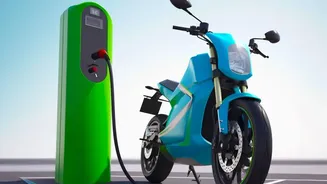
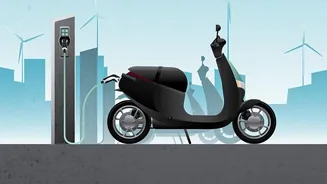
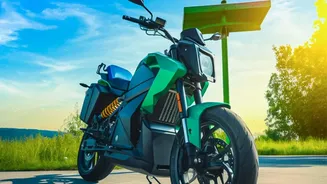
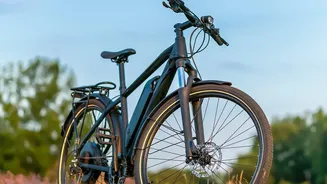
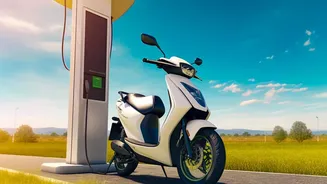
Electric bikes are a common sight on Indian roads, offering a convenient and seemingly green way to navigate cities. Yet, this rise in popularity has been shadowed by a series of alarming fire incidents. The culprit is almost always the lithium-ion battery.
These batteries pack a huge amount of energy into a small space, but their internal chemistry can be volatile. Overheating, damage from impact, or manufacturing defects can lead to a dangerous situation called 'thermal runaway', where an uncontrollable, self-heating state results in fire or even an explosion. This is often caused by internal short circuits, and the flammable liquid electrolyte inside most lithium-ion batteries can make these fires particularly hazardous.
A Sustainable Solution from the Soil
The answer to making e-bike batteries safer might not come from a traditional lab, but from our fields. Scientists are now turning to agricultural leftovers—materials like rice husks, peanut dregs, and wood pulp—as a source for next-generation battery components. This biomass is rich in carbon and other useful materials. Lignin, the natural polymer that gives plants their rigidity, and silica from rice husks are proving to be particularly valuable. Instead of being discarded or burned, this waste can be transformed into high-performance materials, creating a circular economy that benefits both the environment and consumer safety.
How Farm Waste Becomes a Battery Component
The key component being created from farm waste is the anode, one of the two electrodes inside a battery. In most lithium-ion batteries, the anode is made of graphite. Researchers are developing what is known as 'hard carbon' from biomass to replace it. The process often involves pyrolysis, which means heating the agricultural waste to very high temperatures in an oxygen-free environment. This bakes the organic matter, converting its natural structure into a form of porous carbon. For example, the abundant lignin in wood and other plant waste can be spun into carbon nanofibers that create a stable anode structure. Similarly, the silica in rice husks can be purified and used to produce silicon nanoparticles, another promising anode material that offers higher capacity than graphite.
Why 'Greener' Is Also Safer
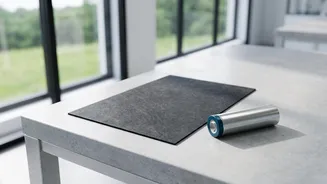
Using biomass-derived materials does more than just reduce waste; it can fundamentally make batteries safer. Hard carbon anodes made from sources like lignin have a more disordered structure than graphite, which helps them better accommodate the stress of charging and discharging, reducing the risk of internal damage that can lead to short circuits. Furthermore, some researchers are using lignin to create more robust separators—the thin barrier that keeps the anode and cathode from touching. Lignin-based separators have shown far greater thermal stability, remaining intact at temperatures up to 300 degrees Celsius, whereas traditional plastic separators can shrink and fail around 100 degrees, creating a direct path for a short circuit. This improved stability at high temperatures is crucial for preventing thermal runaway.
The Bigger Picture for India
This technological shift holds immense potential for India. The Department of Science and Technology has already begun supporting projects to commercialise hard carbon production from bio-waste for use in sodium-ion batteries, which are a cost-effective alternative to lithium-ion. By creating a high-value product from agricultural residue, this innovation can provide a new revenue stream for farmers and support the 'Make in India' initiative by reducing reliance on imported battery materials like graphite. As India pushes towards a future of electric mobility, building a domestic supply chain for safer, more sustainable batteries is not just a commercial opportunity—it's a national strategic priority. It represents a move toward a truly circular economy, where agricultural strength powers technological advancement.