
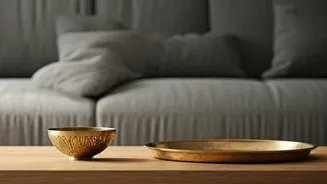




First Off, What Is Japandi?
Before we get into the why, let’s cover the what. 'Japandi' isn't just a catchy portmanteau; it's a genuine design hybrid, merging the rustic-modern simplicity of Scandinavian design with the timeless elegance of Japanese aesthetics. Think of it as the place
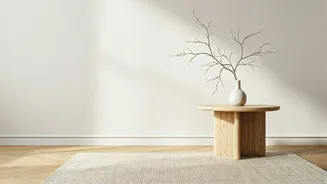
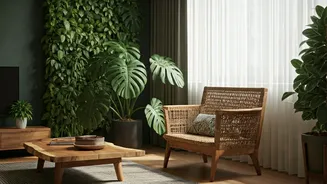
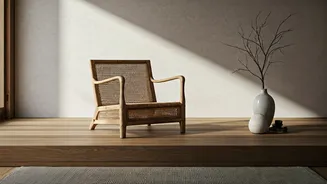
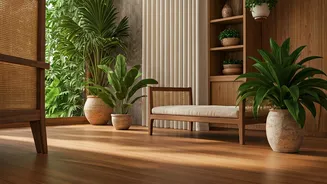
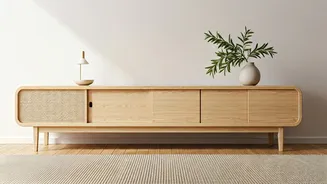
where Scandinavian hygge (the philosophy of cozy contentment) meets Japanese wabi-sabi (the art of finding beauty in imperfection). In practice, this means spaces that are minimalist but warm, functional but soulful. Key elements include neutral, earthy color palettes—think beige, cream, oatmeal, and charcoal. Materials are almost always natural and textural: light woods like oak and maple (a Scandi touch) meet darker woods like walnut or bamboo and handcrafted ceramics (a Japanese influence). Furniture is low-profile, functional, and chosen with intention. The goal isn’t emptiness, but purposeful simplicity. Every object has its place and its reason for being there, creating an uncluttered sanctuary that feels both modern and deeply calming.
The Appeal of Calm in the Chaos
So why is this serene, understated style gaining such traction in India, a country often celebrated for its maximalist design traditions? The answer lies in the changing realities of modern Indian urban life. For millions living in bustling, high-density cities like Mumbai, Delhi, and Bengaluru, daily life is a sensory overload. The home is no longer just a place to live, but a sanctuary—a necessary retreat from the noise, traffic, and frenetic pace of the outside world.
Japandi design offers a powerful antidote. Its emphasis on clean lines, decluttered surfaces, and nature-inspired tranquility provides a visual and psychological deep breath. In smaller urban apartments, where space is a premium, the style's minimalist principles are not just an aesthetic choice but a practical one. By prioritizing functionality and eliminating excess, Japandi helps create a feeling of spaciousness and order, making compact homes feel larger and more serene. It’s a design philosophy perfectly suited for a generation seeking mindfulness and balance in their personal environment.
A Modern Take on Indian Heritage
While Japandi may seem like a purely foreign import, its core tenets resonate surprisingly well with traditional Indian design values. This isn't just about copying a global trend; it’s about adapting it in a way that feels authentic. For centuries, Indian craftsmanship has celebrated the beauty of natural materials. Think of classic teak and rosewood furniture, the use of terracotta and stone in vernacular architecture, and the importance of handwoven textiles. Japandi’s focus on high-quality, natural, and handcrafted items aligns perfectly with this heritage.
Indian designers are interpreting Japandi not by erasing local identity, but by blending it. They might pair a sleek, minimalist sofa with a traditional woven charpai (daybed), use locally sourced woods and stones, or incorporate handmade pottery from local artisans. In this context, Japandi becomes less of a strict style guide and more of a framework for appreciating simplicity, craftsmanship, and a connection to nature—principles that have long been present in Indian culture.
Fueled by the Satisfying Scroll
The headline's mention of “video feeds” is crucial. The rise of Japandi in India is inseparable from the power of social media platforms like Instagram and YouTube. The style is incredibly photogenic. Its light-filled, uncluttered spaces and beautiful textures look stunning on screen, providing a stark, satisfying contrast to a messy “before” shot.
Home makeover videos, particularly in the short-form format of Reels and Shorts, thrive on dramatic transformations. The shift from a cluttered, dated space to a clean, serene Japandi interior is visually compelling and highly shareable. This format has created a powerful feedback loop: designers showcase their work, inspire homeowners, and generate demand for the very aesthetic they are promoting. It’s a trend perfectly packaged for the digital age, where a 30-second video can redefine what an ideal home looks like for millions of viewers.