





The Liquid Gold in Your Kitchen
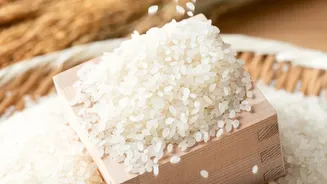
Every time you rinse rice before cooking, the water turns milky. This isn't just dirt; it's a potent mix of starch, vitamins, and minerals that leach from the grains. This liquid, known as rice water, contains trace amounts of essential plant nutrients
like nitrogen, phosphorus, and potassium (NPK), along with B vitamins and other minerals. For generations, gardeners in many parts of Asia have used this 'hugas bigas' (rice wash) as a mild, natural plant food, turning a daily chore into a sustainable gardening practice. Instead of being waste, it’s a readily available, zero-cost supplement that can give your potted plants a gentle boost.
Why Your Balcony Plants Will Love It
The primary benefit of rice water isn't as a powerful fertilizer, but as a tonic for the soil itself. The starches in the water are a feast for beneficial soil microbes like lactobacilli. When these microorganisms thrive, they improve soil structure and help break down organic matter, making nutrients more available for your plant's roots to absorb. This leads to several noticeable benefits: stimulated growth, stronger root development, and healthier foliage. Some studies suggest that using rice water can increase plant growth and yield. It’s a gentle way to feed the ecosystem in your pot, which in turn supports a healthier plant.
The Right Way to Use Rice Water
Using rice water is simple, but a few guidelines ensure you get the benefits without the drawbacks. The best water to use is from the first or second rinse of uncooked rice. Always use water from rinsing unsalted rice, as salt can be harmful to plants. Simply collect the cloudy water in a jug or bucket. You can use it immediately and undiluted. Water your plants with it as you would normally, pouring it directly onto the soil at the base of the plant. A good rule of thumb is to use it no more than once a week or once every two weeks. This frequency prevents the buildup of too much starch, which can have negative effects.
Level Up: The Power of Fermentation
For an even bigger boost, you can ferment the rice water. Fermentation increases the nutrient concentration and the population of beneficial microbes. To do this, collect the rice water in a jar, cover it loosely with a cloth (to allow gases to escape), and leave it in a warm, dark place for three to seven days. It’s ready when it has a slightly sour smell. Because fermented rice water is more potent, it's crucial to dilute it before use—a common recommendation is a 1:1 ratio with plain water. This fermented liquid is slightly acidic, which can be particularly beneficial for acid-loving plants like roses, tomatoes, and ferns.
A Word of Caution
While beneficial, rice water isn't a magic bullet and should be used in moderation. Overwatering with it can lead to problems. The starch, if applied too frequently, can create a crust on the soil surface that blocks oxygen, attract pests like fungus gnats and ants, or even encourage the growth of mold or harmful bacteria. If you notice any of these issues, or a sour smell from the soil, it's best to stop using rice water and flush the soil with plain water. It's also not a complete replacement for a balanced fertilizer, especially for heavy-feeding plants. Think of it as a supplement, not the main course. Avoid using it on succulents and cacti, which prefer drier conditions.