


From 'Discard' to 'Surplus'
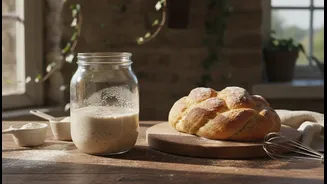
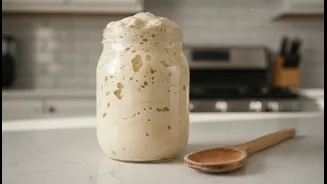
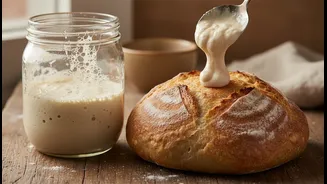
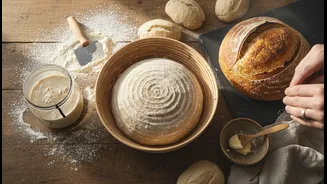
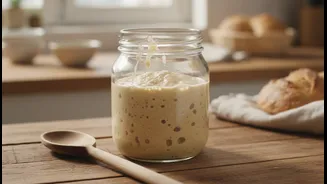
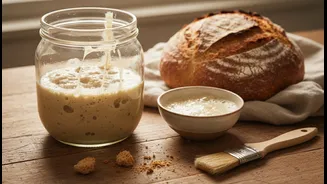
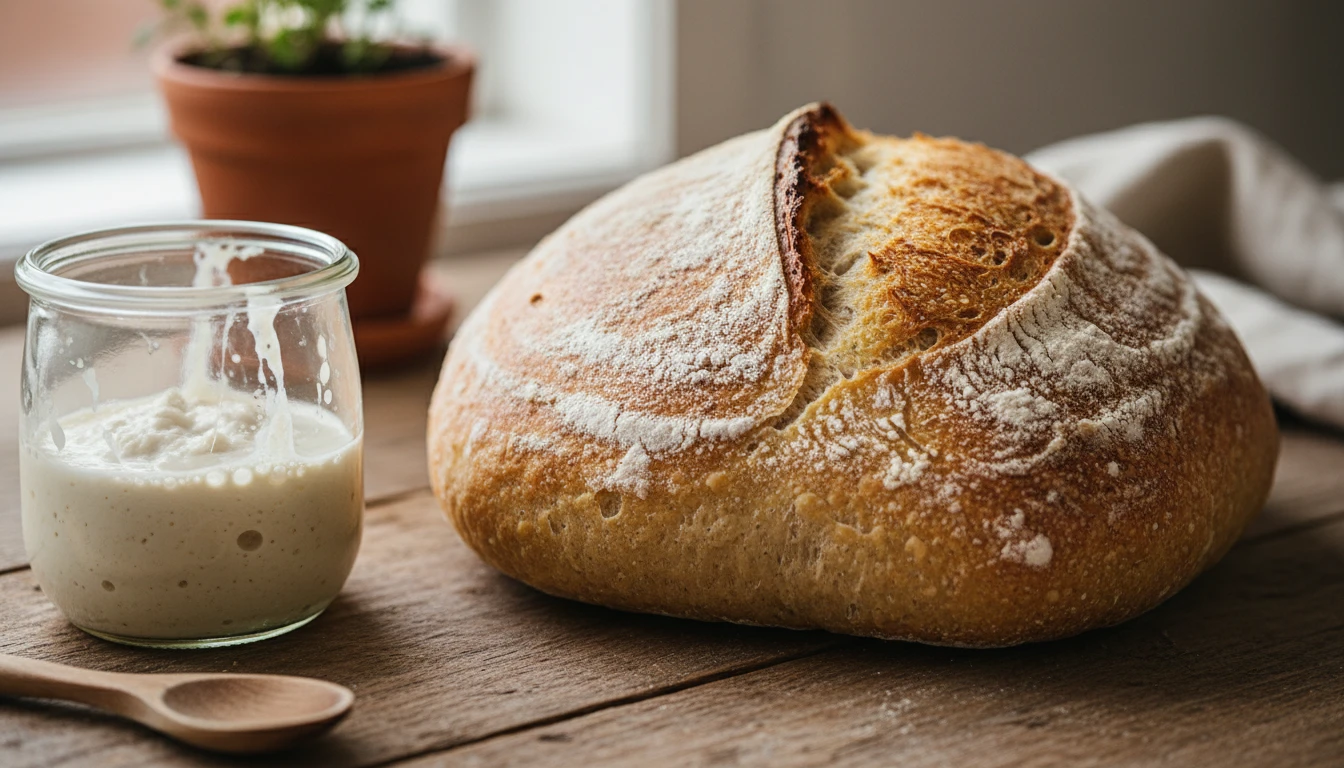
If you've ever maintained a sourdough starter, you're familiar with the routine. To keep the living culture of yeast and bacteria healthy and active, you must periodically remove a portion before feeding it fresh flour and water. This removed portion is known
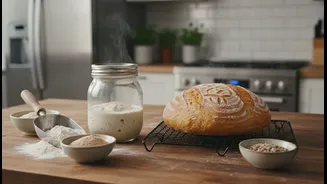
as 'discard'. The name itself implies waste, and for a long time, many home bakers simply tossed it. But discarding is necessary to manage the starter's size and acidity, preventing it from outgrowing its container and becoming sluggish. However, a growing movement, particularly among millennial home cooks, is reframing this process. Driven by a desire for sustainability and reducing food waste, they view discard not as trash, but as a culinary surplus—a flavourful ingredient in its own right.
The Eco-Baking Mindset
This shift is part of a larger trend toward sustainability in the kitchen. Millennials, more than previous generations, are known to make purchasing decisions based on environmental and ethical considerations. This mindset extends beyond buying organic or local; it's about making the most of what you have and minimizing what you throw away. Using sourdough discard fits perfectly into this philosophy. It's a tangible way to combat food waste, which is a significant contributor to greenhouse gas emissions. By transforming discard into delicious new creations, home cooks aren't just saving a few scoops of flour and water—they are actively participating in a more resourceful and creative style of cooking that feels both modern and deeply traditional.
Go Savoury: Crackers, Flatbreads, and More
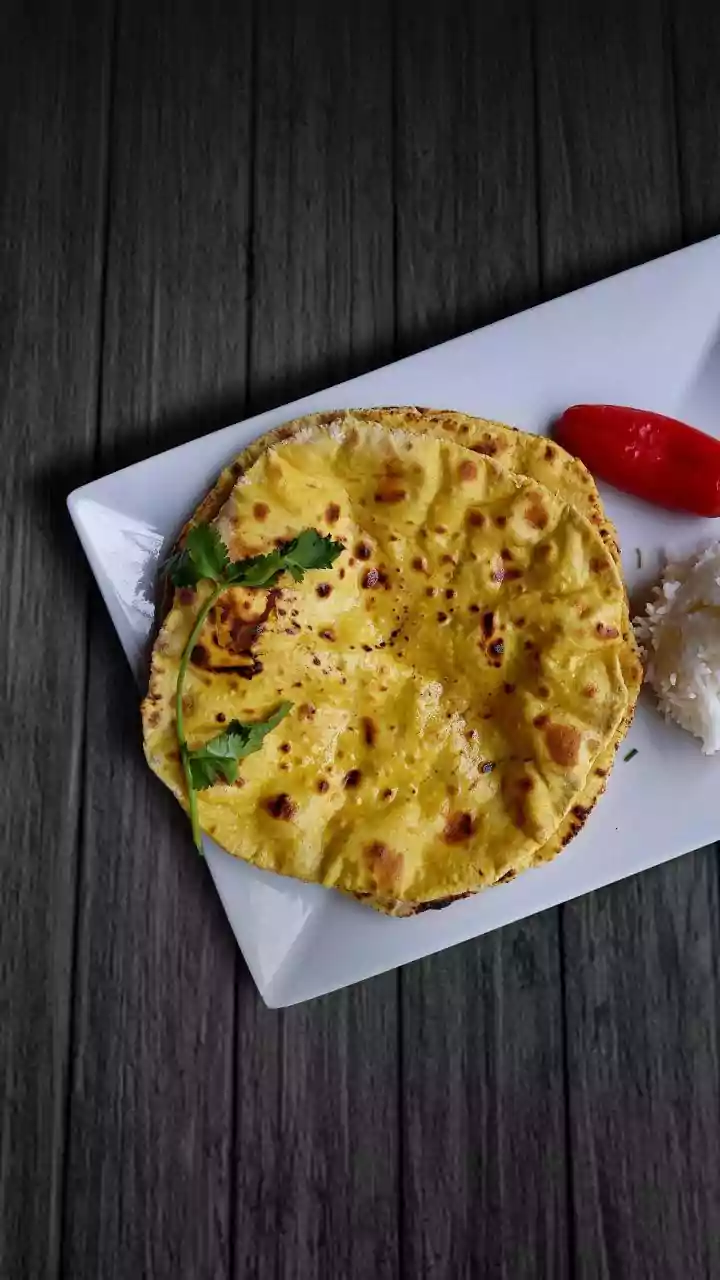
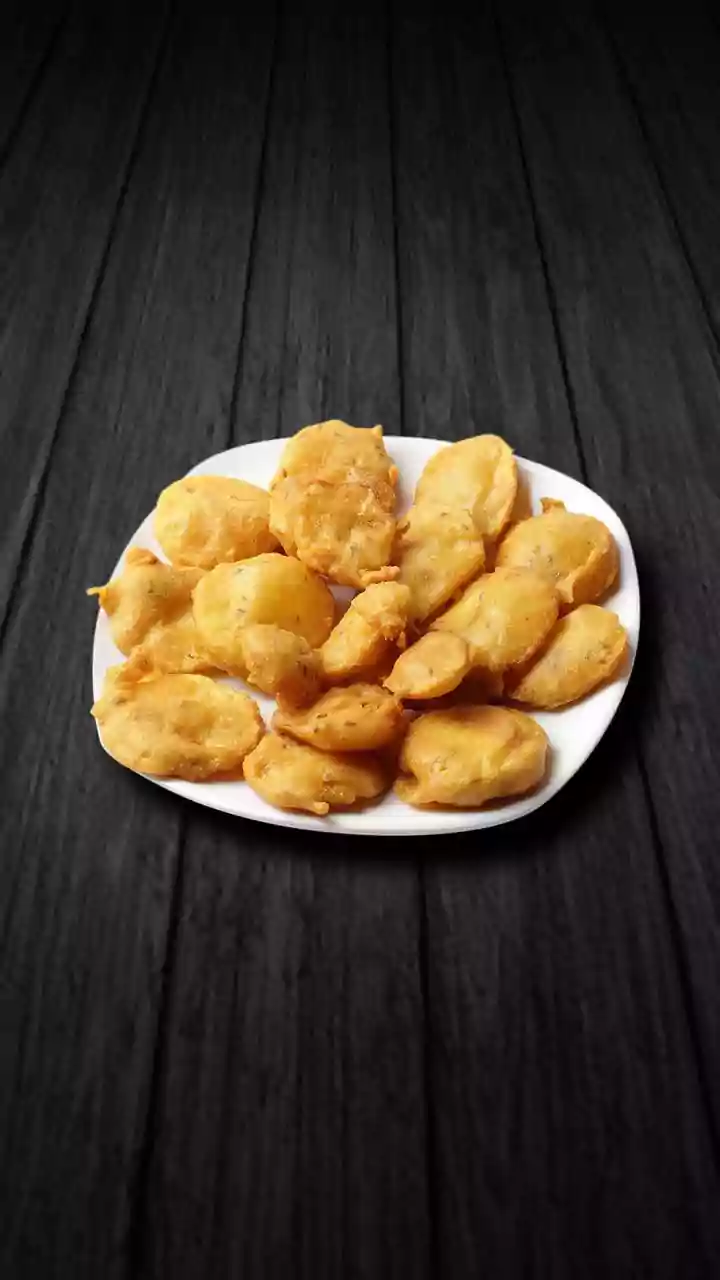
One of the easiest and most popular ways to use sourdough discard is in savoury applications where its tangy flavour can truly shine. Because discard is unfed, it doesn't have the leavening power for a lofty loaf of bread on its own, but it adds incredible depth and complexity to other recipes. Sourdough discard crackers are a classic for a reason: they are incredibly simple and endlessly customizable with herbs, seeds, or cheese. You can also use the discard to make tender flatbreads, pizza crusts, or even fresh pasta. Some home cooks in India have adapted it for traditional recipes like cheela (a gram flour pancake), masala parathas, and even the dough for jalebis, proving its versatility across cuisines.
A Sweet Transformation
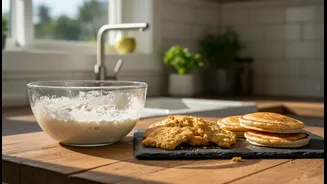
The tangy flavour of sourdough discard, often compared to buttermilk or crème fraîche, also works surprisingly well in sweet recipes, where it balances richness and adds a subtle complexity. Fluffy pancakes and crisp waffles are go-to breakfast options for many discard savers. But its potential extends far beyond the breakfast table. Sourdough discard can be incorporated into recipes for muffins, scones, quick breads like banana bread, and even rich desserts like brownies and chocolate cake. The acidity in the discard can contribute to a more tender crumb in cakes and cookies, making it a secret weapon for achieving superior texture in your favourite baked treats.
Storing and Using Your Liquid Gold
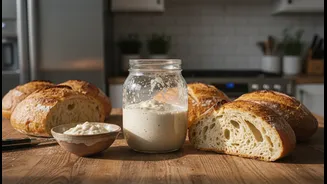
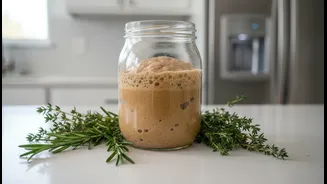
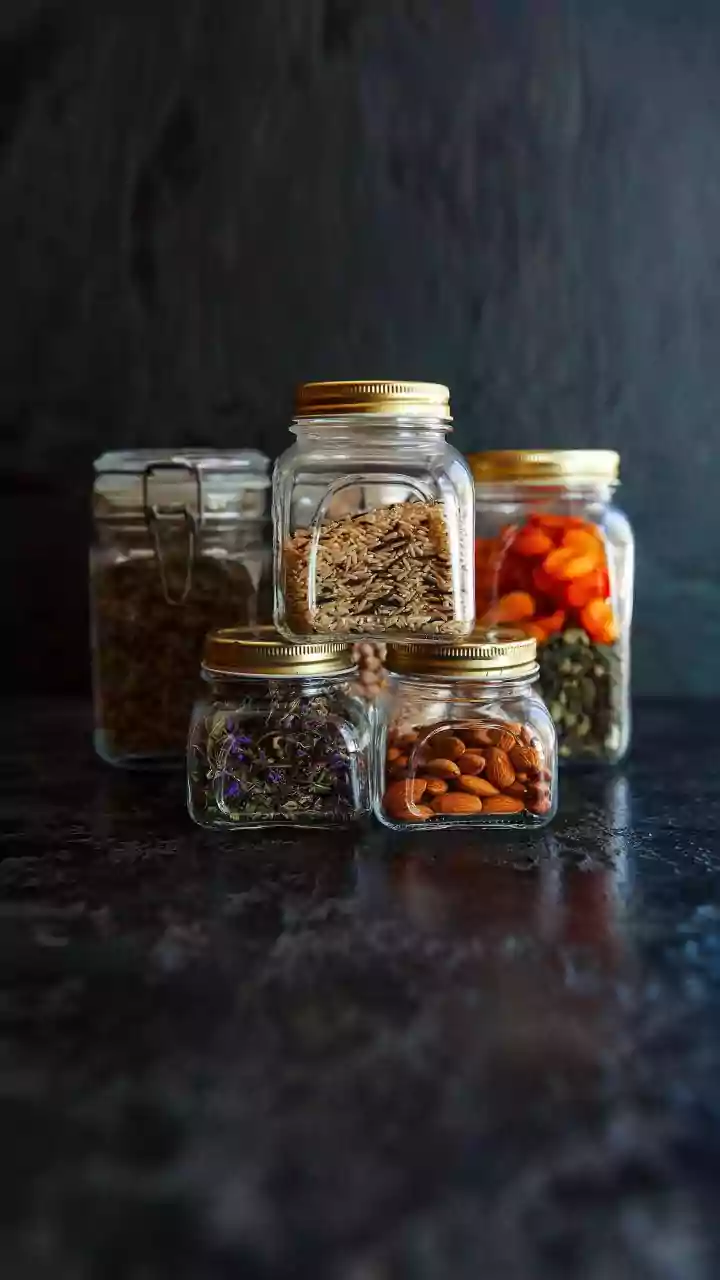
To start saving your discard, simply place it in a sealed container in the refrigerator instead of the compost bin. Most bakers recommend using it within about a week for the best flavour, as it will get progressively more sour over time. You can continually add new discard to the same jar. When a recipe calls for it, just measure out what you need. Don't worry if a dark, alcohol-like liquid called 'hooch' forms on top; it's a normal byproduct of fermentation and can either be stirred in or poured off. If you ever run out of your main starter, this refrigerated discard can even serve as an insurance policy—a small amount can be fed and revived back into an active starter within a few days.