






Why Your Defenses Are Down
The shift from scorching summer to damp, humid monsoon weather can be a shock to the system. According to both modern nutrition and traditional Ayurvedic principles, our digestive fire, or 'agni', weakens during this season. This makes us more susceptible
to indigestion, bloating, and other stomach issues. The high humidity also allows bacteria and viruses to thrive, increasing the risk of water-borne and food-borne illnesses like gastroenteritis, typhoid, and cholera. Your immune system is working overtime, and the wrong foods can weaken it further, making you vulnerable to common colds, flu, and infections.
Embrace Warm, Light, and Cooked Meals
Since your digestion is naturally sluggish, it’s wise to switch to foods that are easy on the gut. Ayurveda strongly recommends warm, freshly cooked meals. Think light and nourishing options like moong dal khichdi, steamed vegetables, and warm soups. These foods are not only comforting but also easier for your body to break down and absorb nutrients from. Heavily spiced, oily, and processed foods should take a backseat. Swapping heavy grains for lighter options like oats, brown rice, and barley can also support better digestion.
The Peril of Street Food and Raw Salads
As tempting as that plate of pani puri or street-side pakoras might be, this is the season to exercise caution. Street food is a major source of foodborne diseases during the monsoon due to the high risk of contamination from unclean water and unhygienic preparation methods. Similarly, raw foods, especially leafy green vegetables like spinach and cabbage, can be risky. They can trap moisture, mud, and pathogens that are difficult to wash away completely. It's best to steam or cook your vegetables thoroughly to kill any harmful bacteria.
Choose Your Fruits and Vegetables Wisely
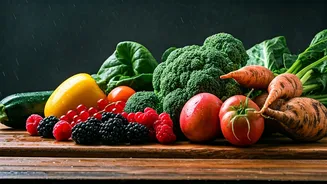
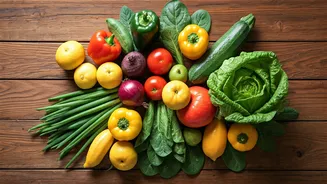
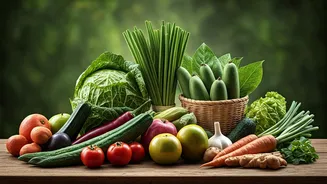
While leafy greens are best avoided or cooked well, other vegetables are perfect for the season. Gourds like lauki (bottle gourd), karela (bitter gourd), and tendli (ivy gourd) are excellent choices as they are light and packed with nutrients. When it comes to fruits, opt for seasonal varieties like jamun, pears, pomegranates, and plums. These are rich in antioxidants and vitamin C, which are crucial for boosting immunity. Always wash fruits and vegetables thoroughly, and avoid buying pre-cut produce from vendors, as they are easily contaminated.
Supercharge Your Immunity with Spices
Indian spices are more than just flavouring agents; they are powerful immunity boosters. Turmeric, ginger, garlic, and black pepper have potent anti-inflammatory, antibacterial, and antiviral properties. Incorporating these into your daily meals can significantly strengthen your body’s defenses against common monsoon ailments like colds and flu. A warm cup of herbal tea made with ginger, tulsi, and a pinch of black pepper can be a soothing and protective daily ritual.
Hydrate Smartly, Not Coldly
Staying hydrated is important, but chugging ice-cold water and drinks can further dampen your digestive fire. Instead, sip on warm or boiled water throughout the day. This not only aids digestion but also helps flush toxins from the body. Herbal infusions and light broths are also excellent ways to stay hydrated and nourished. While curd is a healthy probiotic, some advise switching to lighter options like buttermilk (chaas) during the day, as curd can sometimes increase mucus production.