


Choose Your Tea Flight
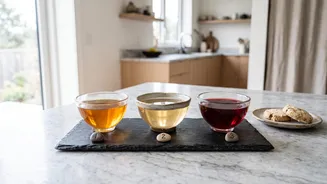
The first step is selecting your teas. Aim for a 'flight' of three to five different varieties to provide contrast without overwhelming the palate. A great approach for beginners is to progress by tea type, moving from lightest to boldest. Consider a sequence
like a delicate white tea, a grassy green tea, a complex oolong, and a robust black tea. You can also choose a theme, such as teas from a single region like Darjeeling, or a flavour profile like 'floral' or 'fruity'. Including well-known Indian staples like a malty Assam and a muscatel Darjeeling alongside a Japanese Sencha or a Chinese Oolong can make for a fascinating comparison.
Set the Stage for Sipping
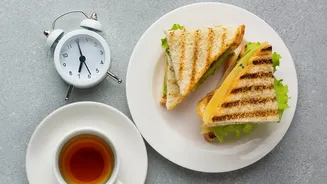
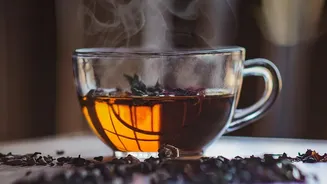
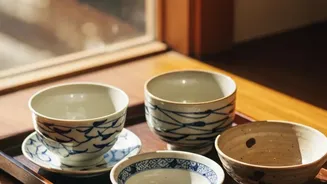
You don’t need much to create a tasting space. The essentials are a kettle, small cups for each guest, and the teas themselves. Using white or clear cups helps everyone appreciate the colour of the brewed tea, also called the 'liquor'. It's also helpful to provide note cards and pens so guests can jot down their impressions. A crucial, and often overlooked, element is a palate cleanser. Simple, unsalted crackers or plain bread and water will reset the taste buds between different teas, ensuring each one is experienced clearly. You can also put a small amount of the dry leaves in a dish for everyone to see and smell before brewing.
The Art of the Brew
How you brew is just as important as the tea you choose. Different teas release their best flavours at different water temperatures and steeping times. For a fair comparison, it’s best to be consistent. However, if you are tasting very different types, follow their ideal brewing instructions. Generally, delicate green and white teas require cooler water (around 75-85°C), while black and oolong teas can handle water just off the boil (95-100°C). Over-steeping, especially with green tea, can lead to bitterness, so use a timer. A two to three-minute steep is often enough for greens, while black teas can go for three to five minutes.
Focus on Aroma First
Before you even take a sip, your nose does much of the work. Aroma is a huge component of flavour. Guide your guests through three stages of smelling. First, the aroma of the dry leaves. Second, the scent rising from the hot, wet leaves and the freshly brewed liquor. Finally, after you’ve finished the cup, smell the empty, cooling cup, where heavier, sweeter notes often linger. Don't worry about finding 'correct' terms. Use simple, everyday comparisons. Does it smell like flowers, freshly cut grass, toast, honey, or damp earth? These are all valid and common tasting notes.
Learning to Taste and Describe
To get the full flavour, slurp your tea. This may seem impolite, but slurping sprays the tea across your entire palate and mixes it with oxygen, revealing more complex notes. As you taste, think about a few key things. First are the basic tastes: sweetness, bitterness, and the savoury note of 'umami'. Next, consider the 'mouthfeel' or body. Is the tea thin and light, or does it feel full and heavy on the tongue? Words like 'smooth', 'creamy', or 'velvety' can describe this texture. Finally, notice the 'finish'. Does the flavour disappear quickly, or does it linger? A long, pleasant aftertaste is often the sign of a high-quality tea.
Guiding the Conversation
As the host, your job is to make everyone feel comfortable. Emphasize that there are no right or wrong answers in tea tasting; personal preference is everything. Encourage discussion by asking simple questions. 'Which one is your favourite so far?' or 'What does this aroma remind you of?' When guests compare their notes, they often start noticing more subtleties. Someone might detect a fruity note that another person missed, leading everyone to go back and taste it again with a new perspective. The goal is connection and shared discovery, not a test.