







Understanding the Current Strain on Your Wallet
Across India, households are grappling with a noticeable increase in the cost of everyday vegetables like tomatoes, onions, and potatoes. Data from late June 2026 shows a significant surge in retail prices, driven by a combination of pre-monsoon heatwaves
that damaged crops and higher transportation costs. Food inflation stood at 4.78% in May 2026, putting a strain on family budgets. Economists and market analysts warn that these elevated prices may persist through the monsoon season, possibly until fresh crops arrive around August. This price pressure is a direct result of supply chain disruptions and a weak start to the monsoon, which has been significantly below average, threatening the upcoming Kharif sowing season.
What is Food-Price Literacy?
Food-price literacy goes beyond simply comparing prices at the store. It’s the skill of understanding the 'why' behind the numbers on the price tag. This means knowing which vegetables and fruits are in season, how weather events like the monsoon impact supply, and how government policies and fuel prices affect the cost of getting food from the farm to your plate. It involves recognising that pre-cut vegetables are more expensive than whole ones or that store brands can offer similar quality for a lower price. Developing this literacy empowers you to make informed decisions, anticipate price hikes, and adapt your shopping list to get the most value for your money without sacrificing nutrition.
Shop Smart by Shopping Seasonal
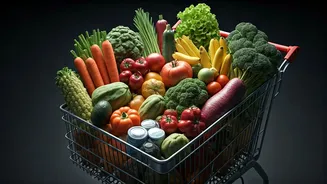
One of the most effective strategies for saving money is to plan your meals around produce that is currently in season. Seasonal fruits and vegetables are more abundant, which naturally makes them fresher and cheaper. During the monsoon months, look for vegetables like bottle gourd (lauki), bitter gourd (karela), pointed gourd (parwal), and various leafy greens that thrive in these conditions. Fruits like jamun, peaches, and cherries are also at their peak. Conversely, stocking up on cauliflower or other winter vegetables now will likely cost you more. A simple shift in mindset to 'reverse meal planning'—where you build meals around what’s on sale and in season rather than a fixed recipe—can lead to significant savings.
Strategic Planning for Your Grocery Runs
Impulsive shopping is a budget's worst enemy. A crucial first step is to always shop with a list. Before you leave home, take a quick inventory of your pantry, fridge, and freezer to avoid buying things you already have. This simple habit minimises waste and prevents you from making unnecessary purchases. Many experts also advise against shopping when you're hungry, as it can lead to buying more snacks and processed foods. For staples like rice, flour, and lentils, buying in bulk can often be more cost-effective, but only if you have adequate storage and will use the items before they expire. Also, consider where you shop. Comparing prices between the local sabzi mandi, larger supermarkets, and online apps can reveal significant differences.
Making Smart Swaps and Reducing Waste
When a particular vegetable or pulse becomes too expensive, look for nutritious alternatives. For instance, if the price of tur dal spikes, other lentils might be more affordable. Adding more vegetables like carrots or peas to meat-based dishes can help reduce the quantity of more expensive meat needed. Furthermore, reducing food waste is another way of saving money. Learning proper storage techniques for different vegetables can extend their life. Cooking in batches and freezing portions for later can also save both time and money, reducing the temptation to order takeout on busy days. These small adjustments in your daily routine can collectively make a big difference to your monthly food expenditure.