





The Hidden Cost of Sitting Still
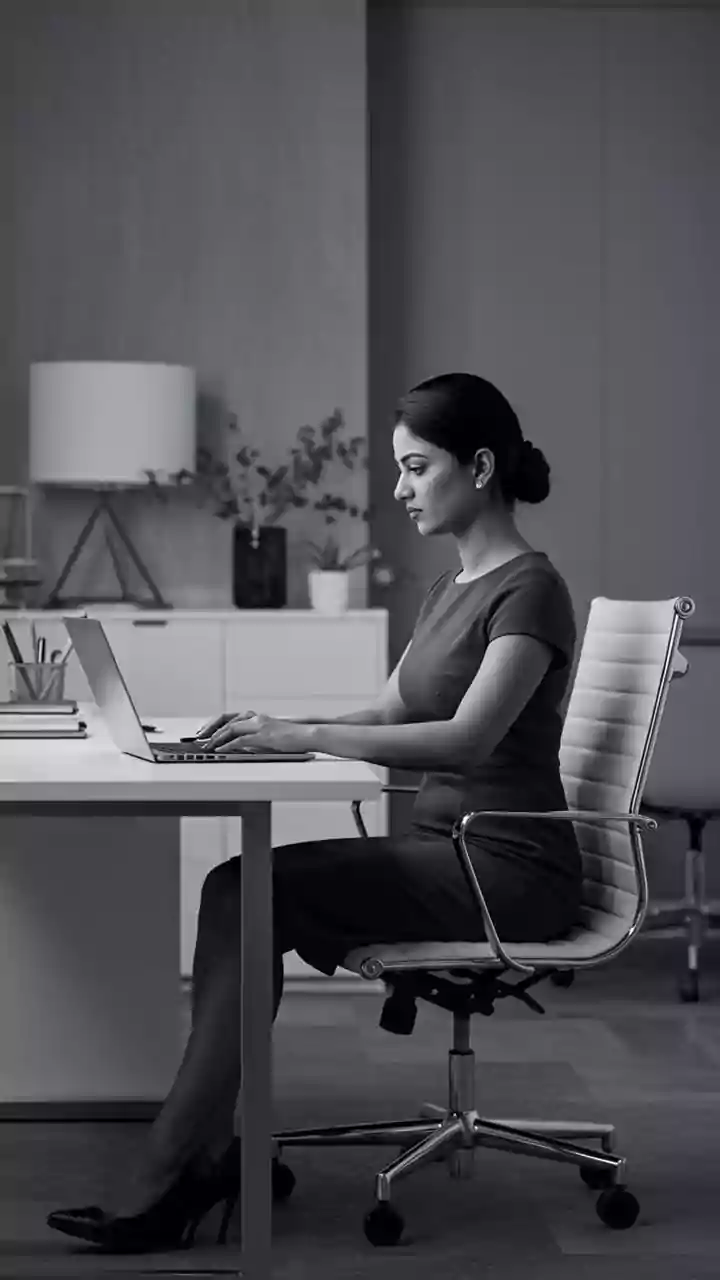
For millions of professionals in India and across the globe, the daily grind involves hours of prolonged sitting. While it may seem harmless, this static posture is a significant occupational hazard. The human body is designed for movement. When we remain
in one position for extended periods, circulation slows, muscles tighten, and joints stiffen. This can lead to a host of problems, including chronic neck and back pain, increased risk of cardiovascular issues, and a noticeable dip in productivity. This phenomenon, sometimes called the 'active couch potato' effect, means that even a daily workout might not be enough to undo the damage of sitting for eight to ten hours straight. The impact isn't just physical; mental fatigue, loss of focus, and increased stress are also closely linked to a sedentary workday, affecting both employee well-being and a company's bottom line.
Introducing Micro-Movement Protocols
The solution isn't about radically overhauling schedules. It's about integrating 'micro-movements'—small, intentional physical actions—into your existing workflow. Think of it as 'movement snacking'. These aren't full-blown exercises that require you to change clothes or even leave your desk. Instead, they are subtle, low-impact movements lasting anywhere from 30 seconds to a few minutes, designed to break up long periods of physical inactivity. The goal is to gently wake up sleepy muscles, lubricate joints, and boost circulation without disrupting your focus. A micro-movement protocol is simply the conscious decision to build these small activities into your day, creating a sustainable habit that counteracts the negative effects of a desk-bound job.
The Science of Small Changes
The power of micro-movements lies in their consistency. Research shows that frequently interrupting sedentary time is crucial for health. These small movements prevent muscles from locking into a static, tense state. Simple actions like rolling your shoulders or pumping your ankles stimulate blood flow, delivering more oxygen to your muscles and brain. This has immediate benefits: it can reduce feelings of stiffness and pain, improve your posture awareness, and even give you a mental refresh. By boosting blood flow to the brain, these brief breaks can enhance focus, increase energy levels, and even spark creativity, helping you return to your task with renewed clarity. It’s a powerful demonstration that when it comes to workplace wellness, frequency of movement can be more impactful than a single, intense burst of activity.
Your Micro-Movement Toolkit: Simple Actions for Your Desk
Integrating micro-movements doesn't require any special equipment. The key is to find a few simple actions you can perform regularly. Set a timer every 30 to 45 minutes as a reminder. Here are a few to get you started: Neck and Shoulder Release: Gently tilt your head from side to side, holding for 10 seconds each way. Follow this with five slow shoulder rolls forward and five backward to release upper body tension. Seated Spinal Twist: While seated, gently twist your torso to one side, using your chair for a light stretch. Hold for 15 seconds and repeat on the other side. Ankle and Foot Activators: To improve circulation in your lower legs, rotate your ankles in circles or pump your feet up and down as if pressing a pedal. Chair Squats: Move to the edge of your chair and, using your leg muscles, stand up and then slowly sit back down. Repeat 5-10 times to activate your glutes and leg muscles. * Wrist and Finger Stretches: Extend your arms and gently flex and extend your wrists. Open and close your fists to prevent stiffness from typing.
A Cultural Shift in the Workplace
While individual action is powerful, creating a supportive workplace culture is essential for long-term success. Progressive companies are moving beyond just offering gym memberships and are actively embedding movement into the workday itself. This can include encouraging 'walking meetings' for small groups, which have been shown to boost creativity. Designing office spaces with accessible stairwells and communal areas that prompt movement also helps. Even in a virtual or hybrid setting, norms can be established, such as starting long meetings with a one-minute group stretch. When leadership champions these practices, it gives employees permission to prioritise their well-being, shifting the perception of movement from a distraction to an essential component of a productive and healthy workday.