




What is Food Fortification?
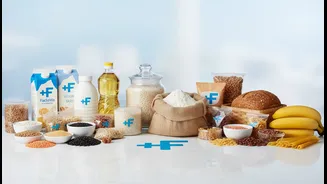
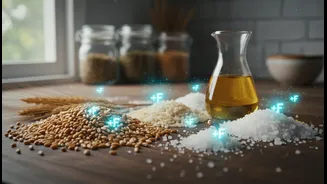
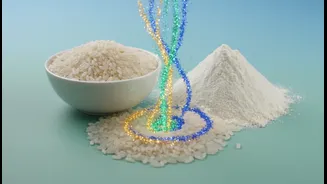
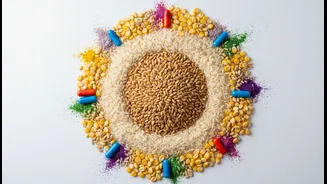
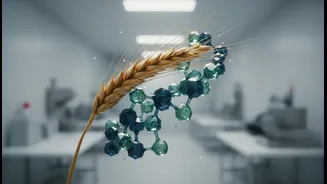
Food fortification is the process of adding essential micronutrients, like vitamins and minerals, to staple foods to improve their nutritional value. This strategy is a globally recognised, cost-effective way to address widespread nutrient deficiencies
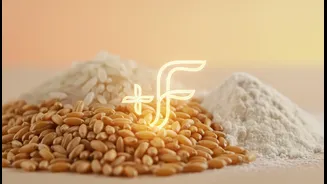
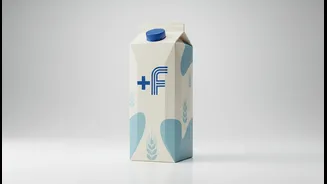
within a population. In India, the Food Safety and Standards Authority of India (FSSAI) regulates this process. The distinct ‘+F’ logo was introduced to help consumers easily identify products that have been fortified according to government standards. Common fortified staples in India include rice and wheat flour (with iron, vitamin B12, and folic acid), milk and edible oil (with vitamins A and D), and salt (with iodine and iron). The goal isn't to change the food's taste or appearance, but to enhance its nutritional profile.
The Public Health Mission Behind the Plus Sign
The primary driver for food fortification in India is to combat 'hidden hunger,' or micronutrient malnutrition, which is a significant public health issue. Deficiencies in iron, iodine, vitamin A, and folic acid are widespread and can lead to serious health problems like anaemia, goitre, night blindness, and birth defects. According to the National Family Health Survey (NFHS-5), a staggering 67% of children and 57% of women in the country suffer from anaemia. By adding these vital nutrients to foods that people consume daily, the program aims to deliver better nutrition to a large section of the population, including vulnerable and low-income groups, without requiring them to change their dietary habits.
How Indian Shoppers View Fortified Foods
Consumer understanding of fortification is mixed. While many people have access to fortified products, awareness of what the term or the ‘+F’ logo specifically means can be low. A 2025 study in Lucknow found that while 69% of participants had a positive perception of fortified foods, a majority still preferred regular, unfortified options, indicating a need for greater awareness. Another study in urban Delhi revealed that while over half of the women surveyed knew fortification helps prevent deficiencies, only about 48% were familiar with the logo itself. There is a common misconception that fortification involves chemicals or genetic modification, when it is simply the addition of vitamins and minerals. This gap between policy and public perception highlights a key challenge: for fortification to be truly effective, consumers need to understand its purpose and benefits.
A Supplement, Not a Substitute
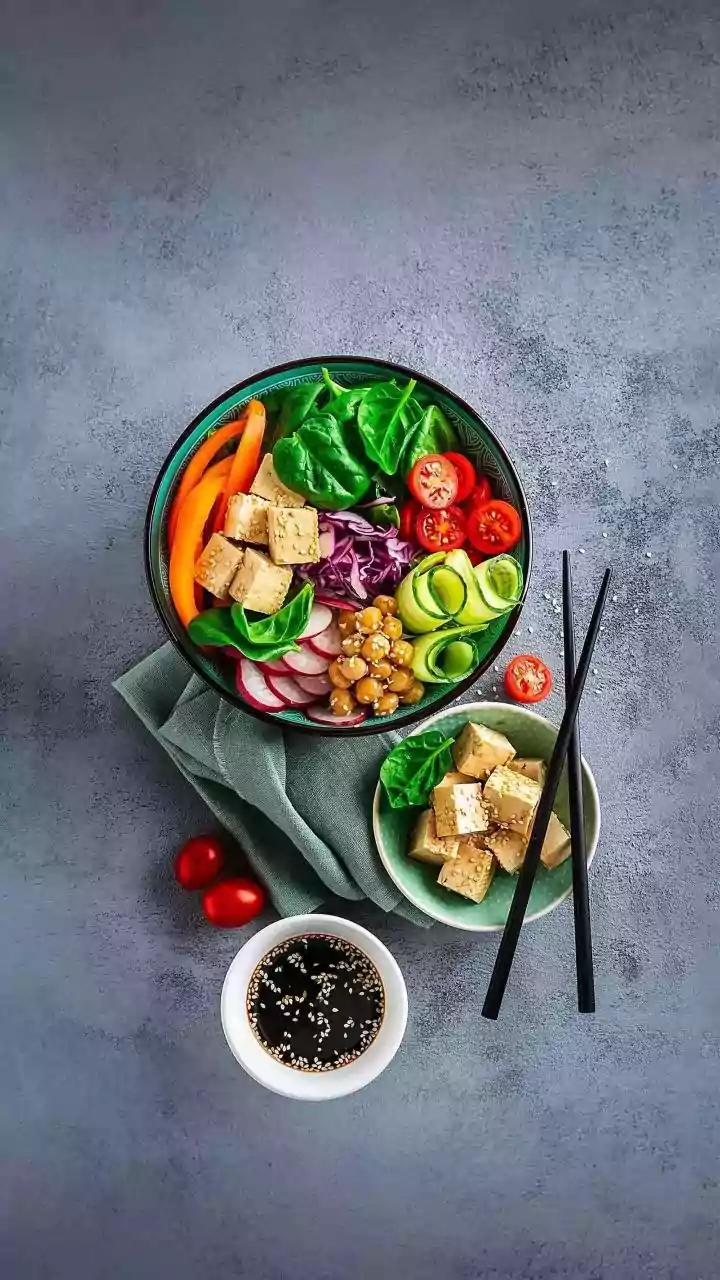
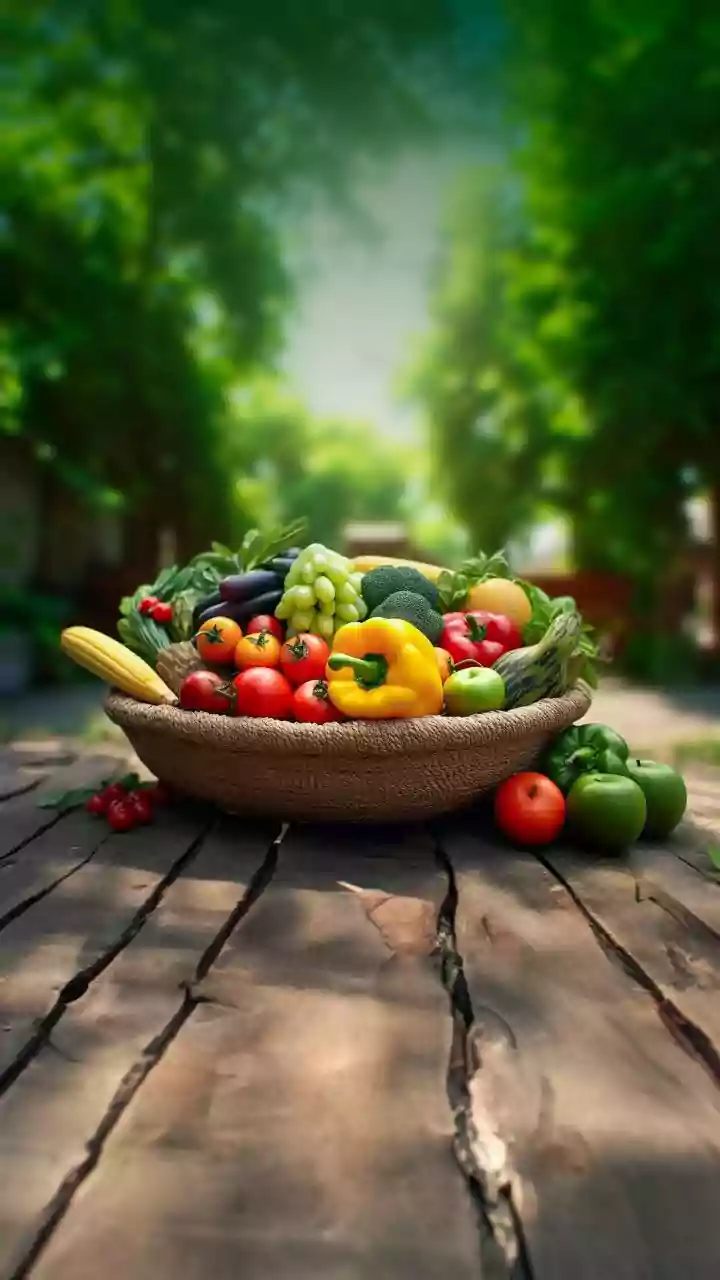
A crucial point that experts and health bodies emphasize is that fortified foods are not a magic bullet or a replacement for a healthy, balanced diet. They are designed to be a complement—a safety net to ensure people receive a baseline of essential micronutrients. A diet rich in a variety of fruits, vegetables, whole grains, and proteins provides a complex array of nutrients, fibre, and antioxidants that fortified staples alone cannot replicate. Relying solely on fortified processed foods while neglecting whole foods can lead to an imbalanced diet. The strategy is intended to work alongside efforts to promote dietary diversity, not to discourage it.
Navigating the Nuances
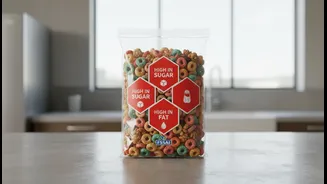
While fortification is a powerful tool, it's not without its complexities. One concern is the potential for 'health washing,' where an otherwise unhealthy product, like a sugary breakfast cereal, is marketed as beneficial simply because it has added vitamins. This can be misleading for shoppers who may not look beyond the front-of-pack claims. Furthermore, some experts raise questions about the risk of overconsumption, particularly for individuals who eat a lot of fortified products and also take supplements. Mandatory fortification, while reaching many, is a blunt instrument that treats nutrient-deficient and nutrient-sufficient individuals the same. These challenges underscore the importance of clear labelling, public education, and a regulatory framework that ensures fortification is used responsibly to improve public health without creating unintended consequences.