

The World's Highest Open-Air Gallery
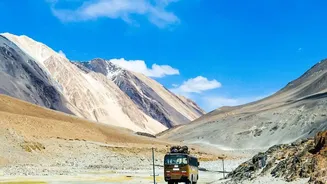
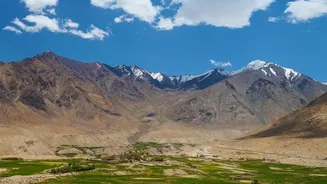
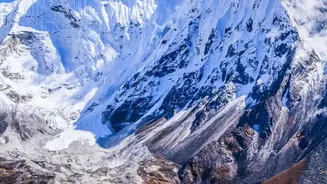
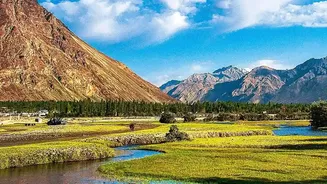
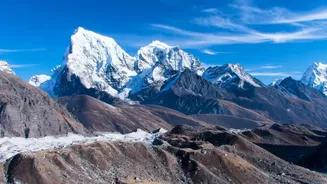
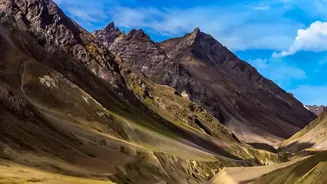
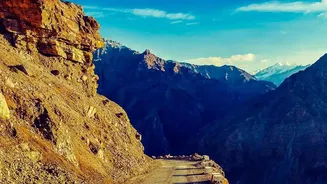
Imagine an art gallery where the walls are mountains and the ceiling is the vast Himalayan sky. That is the essence of the Ladakh Biennale 2026, an extraordinary event that has transformed a 200-kilometre stretch from Leh to Kargil into an open-air art trail.
Running from August 1 to 10, this event is being called the world's highest regenerative art biennale. Unlike a traditional museum experience, artworks are not confined to enclosed spaces. Instead, they are thoughtfully integrated into the stunning natural environment, encouraging a dialogue between art, nature, and local tradition. The trail invites visitors to journey beyond the usual tourist spots, offering a more profound immersion into the region's cultural fabric.
A Trail of Art and Culture
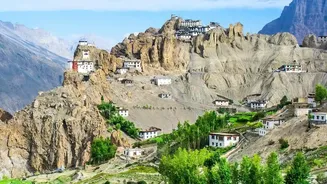
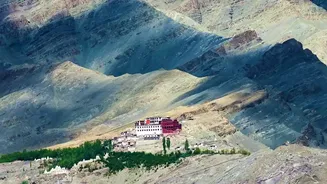
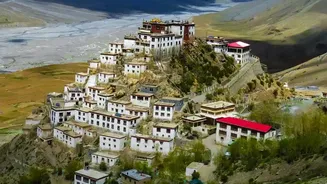
The biennale's path is strategically mapped across eight culturally significant locations: Leh, Kargil, Lamayuru, Basgo, Likir, Nurla, Mulbekh, and Hunderman. This route takes travellers through ancient monasteries, remote villages, and high-altitude valleys, each providing a unique backdrop for the installations. The event features works from local Ladakhi artists as well as national and international creators, fostering a rich cross-pollination of ideas and perspectives. The installations, film screenings, and community projects are dispersed across these sites, encouraging a slower, more mindful mode of travel that connects visitors with local histories and folklore.
Art with a Conscience
This is more than just an art exhibition; it's a statement on sustainability and ecological responsibility. A core principle of the biennale is regenerative art. This means the artworks are crafted from locally sourced, biodegradable, and recycled materials. The installations are designed to interact with the landscape rather than dominate it, sparking conversations about sustainability and the delicate relationship between Ladakhi communities and their environment. By focusing on minimal-footprint practices, the event champions a new model of tourism that aims to enrich rather than endanger fragile mountain ecosystems.
Beyond Contemporary Installations
While the biennale is a contemporary event, the spirit of art has deep roots in Ladakh. The region is a treasure trove of ancient artistic expressions, from the intricate Thangka paintings found in monasteries to centuries-old stone carvings and petroglyphs that tell stories of the past. The famous Saspol Caves, for instance, house exquisite Buddhist wall paintings from the 13th to 15th centuries that showcase a fusion of Indian and Tibetan artistic styles. This new art trail builds upon this rich legacy, creating a bridge between Ladakh's ancient artistic heritage and its vibrant contemporary creative scene. By visiting the biennale, travellers are not just seeing new art; they are participating in the latest chapter of Ladakh's long and storied artistic history.
Planning Your Cultural Pilgrimage
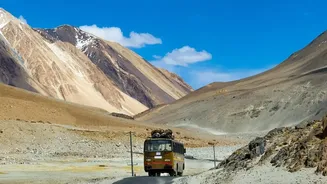
For those inspired to embark on this unique journey, a few practical considerations are key. The high altitude of Ladakh, with exhibitions staged above 3,000 metres, requires acclimatisation. Organisers strongly advise visitors to spend at least 48 hours in Leh before venturing further along the trail to allow their bodies to adjust. While participation in the biennale is free for all visitors, advance registration is required to access the installations spread across the different locations. Getting there involves flying into Leh's Kushok Bakula Rimpochee Airport, from where you can hire taxis or use local buses to travel along the Leh-Kargil route. This art trail offers a chance to experience Ladakh not just as a series of photo opportunities, but as a living, breathing cultural landscape.