





From Sightseeing to 'Sighting-In'
For decades, tourism in India was defined by a checklist: the Taj Mahal, Rajasthan's forts, the gateways of Delhi. While these icons remain central to India's appeal, a significant shift is taking place. Travellers are increasingly looking inward, prioritising
personal experiences over ticking off a list of sights. This trend, accelerated by a post-pandemic recalibration of priorities, has moved the focus from observation to participation. The new travel mantra is less about what you see and more about how you feel. It's a pivot from the grand spectacle to the personal journey, where the destination becomes a backdrop for introspection, connection, and well-being.
The Rise of the Wellness Retreat
One of the clearest expressions of this new travel mindset is the explosive growth of wellness tourism. India, as the birthplace of Ayurveda, yoga, and other ancient healing systems, is uniquely positioned to meet this demand. Travellers are flocking to structured wellness programmes that promise more than just a relaxing holiday. These retreats focus on everything from stress management and digital detoxes to preventative health and lifestyle correction. From Ayurvedic centres in Kerala and yoga ashrams in Rishikesh to newer, boutique wellness properties across the country, tourists are investing in holidays designed to make them return home healthier and more balanced than when they left.
Answering the Call of the Wild
Alongside the quest for inner peace is a growing desire to reconnect with the natural world. Eco-tourism and adventure travel are booming, drawing people to India's vast and varied landscapes. The demand is rising for trekking on Himalayan trails, wildlife safaris in national parks like Jim Corbett and Ranthambhore, and exploring the rich biodiversity of the Western Ghats. This isn't just about adrenaline; it's about immersion. Tour operators report a preference for smaller, intimate group experiences that are sustainable and allow for a deeper connection with the environment. This trend reflects a collective need to disconnect from screens and the pressures of urban life, finding restoration in the simplicity of nature.
A Modern Pilgrimage
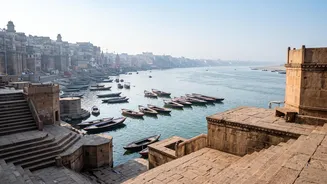
Spiritual tourism has always been a massive component of domestic travel in India, but it is also evolving. Faith-based journeys account for a huge portion of travel, with the Ministry of Tourism noting a dramatic increase in visitors to religious sites, from 677 million in 2021 to over 1.4 billion in 2022. What's new is the 'experiential' layer being added to these journeys. It is transitioning from ritual-led travel to experience-led journeys where travellers seek cultural immersion and storytelling alongside faith. Government investment in infrastructure under schemes like the PRASHAD project is making pilgrimage centres like Varanasi, Ujjain, and Ayodhya more accessible and equipped to handle a new kind of tourist—one who may stay longer, spend more, and seek a blend of devotion, culture, and even premium comfort.
What's Driving the Change?
Several factors are fuelling this shift. A robust domestic tourism market, which recorded over 4 billion visits in 2025, forms the bedrock of this new demand. Travellers today, especially younger demographics, are seeking authenticity and unique stories over mass-market experiences. The government's focus on improving connectivity to smaller, Tier-2 and Tier-3 towns through programmes like UDAN has opened up new destinations that were previously off the main tourist map. This has allowed hospitality investment to follow, with boutique homestays and eco-resorts emerging in once-overlooked areas. Ultimately, travellers are no longer just booking destinations; they're booking experiences, moving from a passive to an active role in defining their journeys.