


The ‘Why’ Before the ‘How’
Before you pick up a brush, it’s important to understand what makes a grooming routine so essential. Regular grooming is your first line of defense in preventative health care. It's an opportunity to check for lumps, bumps, parasites, or skin irritations
that might otherwise go unnoticed. For your pet, it prevents painful problems like matted fur, which can pull on the skin and cause infections, and overgrown nails that can affect their mobility and comfort. Beyond the physical benefits, the time spent grooming is a bonding experience. It builds trust and reinforces your connection, turning a basic care task into quality time together. A well-groomed pet is often a happier and more comfortable one.
Your Essential Grooming Toolkit
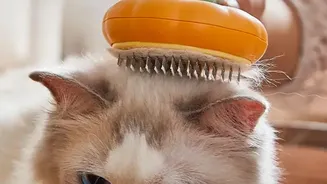
You don’t need a professional-grade salon to get started, but having the right tools makes all the difference. Your basic kit should be tailored to your pet's needs. For most dogs and cats, this includes: a brush and comb appropriate for their coat type (slicker brushes for long-haired pets, bristle brushes for short hair), nail clippers or a grinder, pet-specific shampoo, and ear cleaning solution. Grooming wipes are also great for quick clean-ups between baths. For pets with specific needs, like thick double coats or those needing frequent trims, you might consider investing in de-shedding tools or electric clippers. Having styptic powder on hand is also a good idea in case you accidentally trim a nail too short.
Customizing the Routine for Your Pet
There is no one-size-fits-all grooming schedule; it depends on your pet’s breed, coat type, and lifestyle. Long-haired dogs and cats (like Persians or Collies) often require daily brushing to prevent tangles and mats, while short-haired breeds may only need a weekly brush-down. Curly and wire-haired dogs should be brushed a few times a week to prevent matting. Bathing frequency also varies. Dogs with silky hair might need more frequent baths, whereas most cats, who are excellent self-groomers, may only need a bath a few times a year. Nail trims are typically needed every two to six weeks—a good rule of thumb is if you can hear their nails clicking on the floor, it's time for a trim.
Making Grooming a Positive Experience
The key to a stress-free grooming session is to make it a positive and rewarding experience. Start when your pet is young, if possible, by gently handling their paws, ears, and mouth. Introduce tools slowly, letting your pet sniff them before use, and pair every step with high-value treats and praise. Keep initial sessions very short, even just a few minutes, and always end on a positive note before your pet gets anxious or overwhelmed. Choose a calm, quiet time for grooming when your pet is already relaxed. If your pet shows signs of stress, take a break. The goal is for them to associate grooming with gentle handling and rewards, not fear.
When to Call a Professional
While at-home grooming is crucial, it's also important to recognize when you need professional help. If your pet has severe matting, it's often safer and less painful to have a professional groomer handle it, as they have the proper tools and techniques to remove mats without injuring the skin. Other signs it's time for a pro include persistent bad odour that doesn't resolve with a bath, skin irritations, or if your pet is simply too anxious or aggressive to be groomed safely at home. Professional groomers are often the first to spot underlying health issues during a session, providing another layer of care for your beloved companion.