


The Vegetable Puree Secret
The headline says it all: cooked vegetable purees are a fantastic way to add body and a subtle, natural sweetness to your curries. This technique not only thickens the sauce but also adds extra nutrients. Starchy vegetables like potatoes, sweet potatoes, carrots,
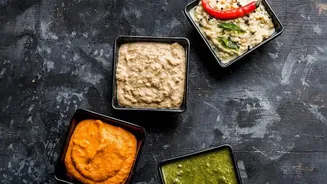
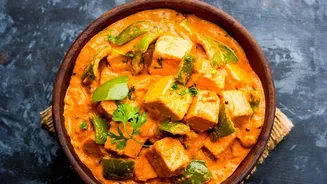
or even butternut squash are excellent candidates. Simply boil or roast the vegetable until tender, then blend it into a smooth paste. For a seamless integration, you can cook the vegetables in a flavourful stock or add spices like coriander and ginger to the puree itself. Another approach, foundational to many Indian gravies, is to create a paste from slowly sautéed onions, ginger, garlic, and tomatoes. When cooked down patiently and blended, this 'masala' base forms a naturally thick and creamy foundation for any curry.
The Magic of Nut and Seed Pastes
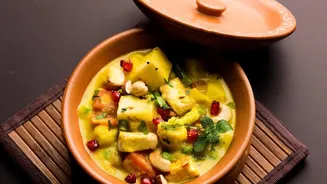
For unparalleled richness, look no further than nuts and seeds. Cashew paste is the undisputed champion for creating a neutral, creamy texture that mimics dairy cream beautifully. To make it, soak raw cashews in hot water for at least an hour, then blend them with a little fresh water until completely smooth. This paste can be stirred into your curry towards the end of cooking to add a luxurious finish. Almonds are another great option, though they may take longer to grind and can impart a slightly nuttier flavour. For a truly traditional touch, especially in kormas, try pastes made from poppy seeds (khus khus) or melon seeds (magaz), which also act as excellent thickeners.
Embrace the Power of Coconut
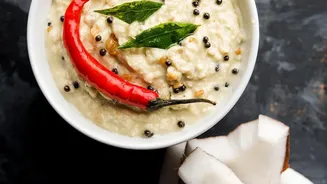
Coconut milk is a classic dairy-free solution, especially prominent in South Indian and Bengali cuisines. Its natural sweetness and creamy consistency are perfect for balancing the heat of spices. For the richest result, use full-fat coconut milk or even just the thick cream from the top of the can. It's best to add coconut milk towards the end of the cooking process and simmer it gently without bringing it to a rolling boil, as this can cause it to split and lose its delicate flavour. It pairs wonderfully with spices like turmeric, mustard seeds, and curry leaves, creating a distinct and delicious flavour profile.
Harnessing Lentils and Legumes
Don't overlook the humble lentil. A puree of cooked lentils, such as red lentils (masoor dal), can add significant body and protein to a curry. This method works especially well in vegetable-heavy dishes or when you want to create a hearty, stew-like consistency. Similarly, pureed white beans, like cannellini beans, can make a surprisingly creamy and neutral base that won't overpower the main spices of your dish. Even a tablespoon or two of gram flour (besan), roasted lightly and made into a slurry, can be used to thicken a gravy, lending a slightly nutty, earthy flavour.
Other Plant-Based Thickeners
The world of dairy-free cooking is full of innovative options. Silken tofu can be blended into a completely smooth, protein-rich cream that adds thickness with a very neutral taste. Plant-based yoghurts made from soy or almond can be used, particularly in marinades or to add a slight tang, but be sure to choose an unsweetened variety. You can also find oat cream or soy cream in many stores, which offer convenient and effective ways to finish a curry. While these are great shortcuts, the magic often lies in combining techniques—perhaps a slow-cooked onion-tomato base enriched with a final swirl of cashew cream—to build layers of flavour and texture.