








Why 'Leaving Early' Isn't Enough
The timeless advice to simply leave for the airport a bit earlier is dangerously outdated during peak monsoon. The issue is no longer just about beating traffic; it's a complex web of cascading failures. As of early July 2026, major hubs like Mumbai have
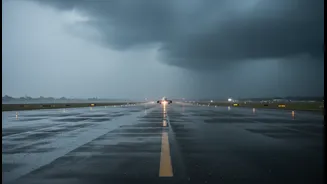
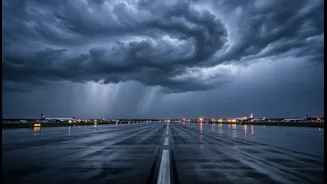
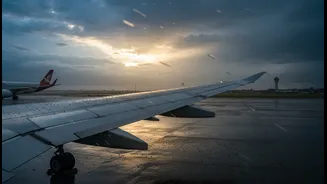
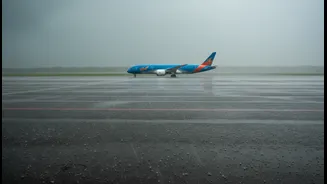
seen hundreds of flight delays and dozens of cancellations in a single day due to torrential rain and low visibility. An Orange Alert was issued for the city on July 7, with authorities advising against unnecessary travel. This isn't just a Mumbai problem; airports in Delhi, Pune, and Nagpur are also experiencing significant disruptions, with flights being delayed, diverted, or cancelled. The problem is exponential: one delayed flight holds up the next, creating a domino effect that can leave you stranded for hours, even if your initial flight was only slightly pushed back. Planning now requires anticipating airport congestion, waterlogged access roads, and the high probability of rescheduled flights.
Your Smartphone Is Your Co-Pilot
In this chaotic environment, your phone is your single most important tool. Before you even think of booking a cab, your first step should be to check your airline's app for the flight status. Airlines like IndiGo, Air India, and Akasa Air are actively using social media and their apps to post advisories about impacted flights. Don't stop there. Use a live flight tracking app to monitor your specific aircraft; sometimes these provide more realistic updates than the official airline status. Also, have a traffic app with live updates running to check multiple routes to the airport, as waterlogging can shut down main roads without warning. Finally, ensure your phone is fully charged and you have a power bank. In case of lengthy delays or diversions, your phone will be your lifeline for rebooking and communication.
Rethink Your Airport Commute
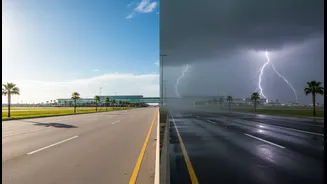
Getting to the airport is often the first and biggest hurdle. During heavy downpours, ride-hailing services become unreliable, with massive surge pricing and a shortage of available cars. Waterlogged roads can turn a 45-minute journey into a three-hour nightmare. Airport authorities themselves are now advising passengers to add an extra one to two hours just for their ground commute. Where available, the metro is the most reliable option, as it is largely immune to on-road chaos. If you must take a car, pre-booking a trusted taxi service may be more reliable than relying on on-demand apps. Consider booking a ride that gets you to the airport at least three to four hours before a domestic flight during peak monsoon months.
Pack for Delays, Not Just a Destination
Your packing strategy needs a monsoon-specific update. Assume your journey will be disrupted. Pack essentials in your carry-on as if you might be stranded overnight or separated from your checked luggage. This includes a change of clothes, any essential medications, a power bank, and some non-perishable snacks to avoid overpriced and overcrowded airport restaurants. Use waterproof covers for your luggage and carry ziplock bags or waterproof pouches for your passport, phone, and other important documents. Synthetic, quick-drying clothes are a smarter choice than cotton. Given the higher chances of flight diversions, having what you need in your cabin bag provides crucial peace of mind.
Know Your Rights and Your Fare
Before you travel, understand the fare rules of your ticket. During monsoon season, opting for a 'flexi' fare that allows low-cost or free changes can be a wise investment against weather-related disruptions. While airlines are not typically required to compensate for delays caused by weather, they are obligated to provide assistance. For delays over two hours, you are generally entitled to meals, and for overnight delays, hotel accommodation is usually provided. If your flight is cancelled, you have the right to a full refund or to be rebooked on the next available flight. Knowing these passenger rights can empower you to ask for what you're owed when facing a disruption.