








The New Digital Warm-Up
The nerve-wracking ritual of preparing for a job interview has remained unchanged for decades. You’d print your CV, research common questions, and rehearse your answers in front of a mirror or with a patient friend. Today, Gen Z candidates are adding
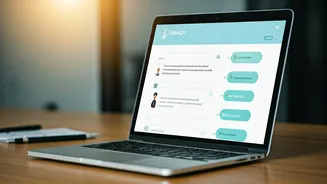
a distinctly 21st-century step to this process: practising with a chatbot. Platforms like ChatGPT are becoming the go-to interview coaches for a generation that grew up with technology. By feeding the AI a job description and their resume, applicants can simulate a realistic interview, asking the bot to act as a hiring manager and generate relevant, industry-specific questions. This trend isn't just a novelty; it represents a fundamental shift in how young professionals approach career preparation in an increasingly competitive job market.
Why an AI-Powered Coach?
The appeal of an AI interview partner is multifaceted. Firstly, it's available 24/7, offering endless patience for repetition and practice without the scheduling conflicts or potential judgment of a human counterpart. This helps to reduce anxiety and build confidence. Secondly, AI can offer a level of customisation that generic online lists cannot. A candidate can ask for challenging behavioural questions tailored to a specific role or get feedback on structuring answers using frameworks like STAR (Situation, Task, Action, Result). The benefits are clear: AI offers speed, convenience, and a structured way to prepare, acting as a digital coach that helps candidates overcome writer's block and meet industry standards.
A Double-Edged Sword
However, this reliance on AI is not without its perils. The primary danger lies in the gap between preparation and performance. While ChatGPT can help craft a perfect written answer, it can't train a candidate on delivery, body language, or thinking on their feet under pressure. This can lead to responses that sound robotic, unnatural, or rehearsed—a red flag for experienced recruiters. An even greater risk is the temptation to use these tools not just for practice, but during live interviews, with AI-generated answers fed through a second screen. This 'performance' approach is backfiring, as recruiters become more adept at spotting the tell-tale signs of AI assistance and are shifting back to in-person interviews to ensure authenticity.
The Recruiter's Perspective
Hiring managers find themselves in an 'unspoken AI battle' with candidates. While some see the use of AI for preparation as a sign of resourcefulness, many are wary. With AI tools polishing every application, it's becoming harder for recruiters to assess a candidate's genuine skills and personality. The market is now flooded with applicants who look perfect on paper, making it difficult to distinguish real talent from a well-prompted script. Some companies have started adding disclaimers, welcoming AI for preparation but warning that answers must reflect real experiences. Others are designing interview questions that AI struggles with, focusing on ultra-specific scenarios and personal reflections to gauge authenticity.
Using AI the Right Way
Experts agree that AI can be a powerful ally if used correctly. The key is to treat it as a starting point, not a crutch. Use it to brainstorm ideas, structure your thoughts, and run mock sessions to identify weak spots. But the real work still has to be done by the human. Practice saying your answers out loud to ensure they sound natural. Combine AI-generated prep with feedback from real people, like mentors or career coaches, who can offer nuanced feedback on tone and delivery that an algorithm cannot. The goal isn't to memorise a script but to internalise your own stories and achievements so you can speak about them with confidence and clarity. The most successful candidates will be those who blend the efficiency of AI with the irreplaceable value of human authenticity.