

1. The Hilsa Festival, West Bengal
For Bengalis, the monsoon is synonymous with Ilish, or Hilsa, a fish prized for its rich flavour and delicate texture. During the rainy season (July to September), when the fish swim upstream to spawn, West Bengal hosts numerous Hilsa festivals. Restaurants
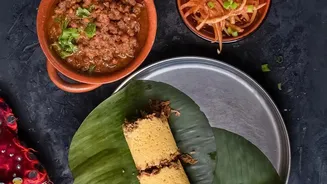
in Kolkata and tour operators in the Sundarbans offer elaborate menus celebrating this seasonal delicacy. Signature dishes include Ilish Bhapa (steamed Hilsa in a pungent mustard-coconut paste), Ilish Paturi (fish marinated in spices, wrapped in banana leaves, and slow-cooked), and crispy fried Hilsa. These festivals are more than just a meal; they are a cultural immersion, often featuring folk music and boat rides through the rain-drenched mangrove forests.
2. Teej Festival Feasting, North India
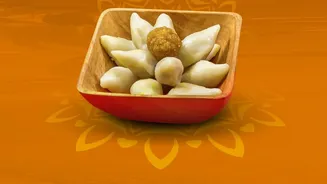
Celebrated primarily in Rajasthan, Uttar Pradesh, and Bihar, Hariyali Teej marks the advent of the monsoon. While it involves fasting, the feasting that follows is legendary, centered around one iconic sweet: Ghevar. This disc-shaped dessert, with its porous, honeycomb-like texture, is made from flour, deep-fried in ghee, and soaked in sugar syrup. The humidity of the monsoon season is said to be essential for achieving its perfect spongy consistency. Traditionally topped with rabri (thickened sweet milk) and nuts, modern variations now include everything from chocolate to mango. Enjoying this seasonal sweet is a core part of the Teej celebrations.
3. Aadi Perukku, Tamil Nadu
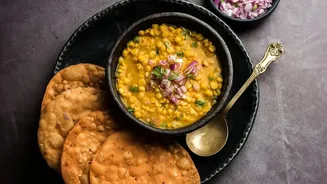
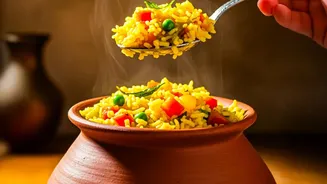
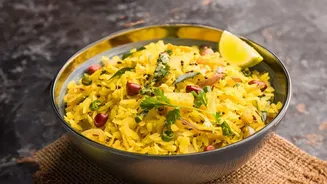
Aadi Perukku is a monsoon festival in Tamil Nadu that pays tribute to the life-giving properties of water. Celebrated on the 18th day of the Tamil month of Aadi (mid-July to mid-August), families gather by rivers and water bodies to offer prayers. Food is central to the celebration, with an emphasis on variety rice dishes known as 'kalanda sadam'. Offerings typically include Puliyodarai (tamarind rice), Thengai Sadam (coconut rice), Ellu Sadam (sesame rice), and Thayir Sadam (curd rice). These dishes are prepared at home, packed for a picnic, and shared by the water, making it a communal celebration of nature's bounty.
4. Mumbai's Street Food Rituals
While not a formal festival, the unwritten rule in Mumbai is that rain demands street food. The city's vendors offer a specific menu of hot, savory snacks that taste best against a rainy backdrop. The undisputed king is the Vada Pav, a spiced potato fritter in a soft bun, best eaten hot with chutney. Other monsoon essentials include sizzling hot Pav Bhaji, roasted corn on the cob (bhutta) seasoned with lime and chili, and crispy Kanda Bhaji (onion fritters). Huddling under a vendor's umbrella to enjoy these treats is a quintessential Mumbai monsoon experience.
5. Karkidaka Kanji in Kerala
In Kerala, the monsoon month of Karkidakam (mid-July to mid-August) is traditionally a time for wellness and rejuvenation. A key part of this is the consumption of Karkidaka Kanji, a medicinal rice porridge. Rooted in Ayurveda, this gruel is made with Njavara rice, coconut milk, and a special mix of herbs and spices designed to boost immunity and aid digestion when the body is considered most vulnerable. This nourishing porridge is consumed daily for a week or more, making it a widespread wellness ritual rather than a festival, embraced by households and Ayurvedic centers across the state.
6. The Quiet Cuisine of Monsoon in Goa
When the tourist crowds thin out and the fishing trawlers dock for the off-season, a different Goan cuisine emerges. The monsoon menu is dictated by what grows in the lush hinterlands. This is the time for earthy wild mushroom curries (alami), foraged wild greens (taikilo), and freshwater clams (tisreo). It's also when preserved ingredients from the previous season, like dried prawns and salted fish, are used to create flavourful curries and accompaniments. This hyperlocal, seasonal food culture offers a taste of Goa that is rarely found on a typical restaurant menu, revealing a quieter, more traditional side of its culinary identity.
7. The Universal Joy of Chai and Pakoras
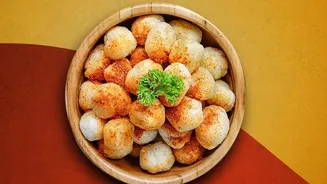
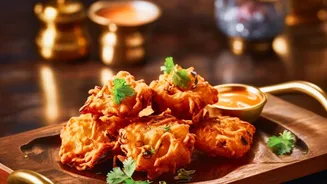
Across India, the sight of dark clouds is an unspoken invitation for chai and pakoras. This combination is the nation's unofficial monsoon food festival. From roadside stalls to home kitchens, the aroma of ginger-spiced tea brewing alongside sizzling, deep-fried fritters is a defining feature of the season. Pakoras, made by dipping vegetables like onions, potatoes, or spinach in a gram flour batter, are the perfect crunchy, savory counterpoint to a cup of hot, sweet chai. It is a simple, accessible, and deeply comforting ritual that connects people across the country, celebrating the joy and relief that the rains bring.