



What Is the Social-to-Menu Gap?
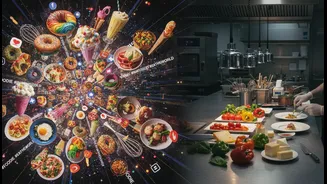
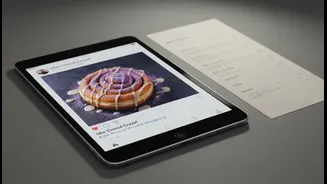
Imagine the lifecycle of a traditional restaurant menu: carefully planned by chefs, updated seasonally, and printed on paper. Now, compare that to the lifecycle of a food trend on social media: a dish can explode in popularity overnight, dominate feeds
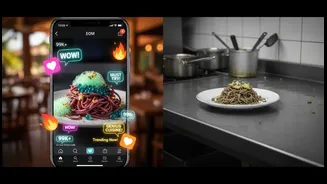
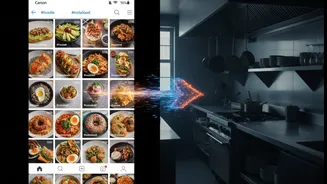
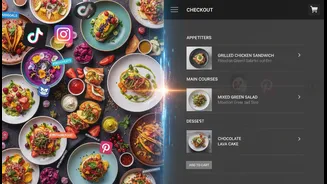
for a few weeks, and vanish just as quickly. The social-to-menu gap is the chasm between these two cycles. It’s the disconnect between what millions of Indians see, crave, and share online, and what they can actually order in their local restaurants. While chefs have historically relied on experience and intuition, the pace of platforms like Instagram and YouTube Shorts means that by the time a restaurant reacts to a trend, customers may have already moved on.
The Speed of a Viral Food Trend
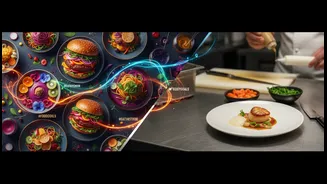
In today's digital-first India, food discovery no longer starts with a friend's recommendation but with a 30-second reel. Food creators and influencers have become the new tastemakers, capable of catapulting a dish from obscurity to a city-wide sensation. This has created a 'camera eats first' culture, where the visual appeal of a dish is paramount. For restaurants, this presents both a challenge and an opportunity. The challenge is keeping up with the relentless pace of trends that have a short, intense lifespan. The opportunity lies in capturing the immense, immediate demand generated by a viral moment. This could be a specific style of regional cooking, an oversized 'Bahubali' thali, or the latest fusion experiment.
From Gut-Feel to Data-Driven Decisions
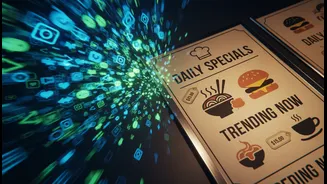
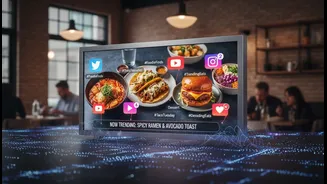
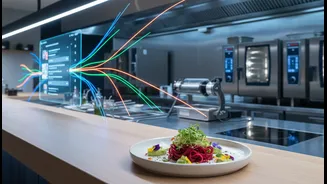
Successfully navigating this new landscape requires a shift from a gut-feel approach to a data-driven one. Instead of guessing what customers want, restaurants can now know. The solution lies in technology that can listen to and analyze the millions of food-related conversations happening online. This process, known as social listening, allows businesses to track mentions, analyze sentiment, and identify emerging trends in real-time. Artificial intelligence (AI) and machine learning (ML) models can sift through this mountain of data—from Zomato reviews to Instagram hashtags—to provide actionable insights. These tools can reveal not just what is trending, but where specific trends are gaining traction, allowing for hyper-local menu decisions.
The Technology Bridging the Divide
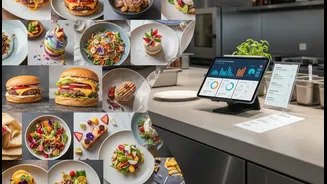
A new generation of tech companies and SaaS platforms is emerging to help restaurants bridge the social-to-menu gap. These tools integrate with restaurant Point of Sale (POS) systems and use AI to analyze sales data alongside social media trends. They can predict demand for certain ingredients, helping to reduce food waste, and suggest dynamic pricing for high-demand items. Some AI platforms are now sophisticated enough to help with menu engineering, identifying which dishes are most profitable and which can be replaced. By analyzing customer order history and social media activity, these systems can even offer personalized recommendations, enhancing the customer experience and increasing average order value.
Putting Theory into Practice
Consider a practical example: a cafe chain in Mumbai notices through its social listening tools that conversations about 'loaded croissants' are spiking among food influencers in the city. The AI platform analyzes the sentiment as highly positive and notes that the trend is moving from high-end bakeries to a more mainstream audience. Simultaneously, the system analyzes the cafe's own sales data and identifies that their existing plain croissants are a steady but low-margin seller. Armed with this data, the menu development team can quickly trial a limited-edition loaded croissant, market it through the same local influencers, and launch it within weeks instead of months. This agile approach turns a potential missed opportunity into a profitable, buzz-worthy menu item.
Challenges and Smart Adaptation
However, simply chasing every viral trend is not a sustainable strategy. The goal is not to have a chaotic menu that changes every week. The risk of overreacting to short-lived fads is real, and can lead to inventory waste and brand dilution. Smart adaptation is key. The data from social listening should be a crucial input, but not the only one. Restaurants must filter trends through the lens of their own brand identity, culinary expertise, and operational capacity. The most successful operators will use technology to inform, not dictate, their decisions, blending real-time data with the timeless principles of good food and hospitality. This ensures that menu additions are both relevant and authentic to the restaurant's core offering.