





More Than a Ritual: The Sattvic Philosophy
The diet followed during Shravan, especially on fasting days like Mondays (Somvar), is deeply rooted in the Ayurvedic concept of 'sattvic' eating. The word sattva signifies purity, harmony, and balance. A sattvic diet consists of fresh, light, and easily
digestible foods that are believed to calm the mind and aid spiritual focus. This philosophy is not just about religious observance; it aligns with the season. According to Ayurveda, the monsoon (Varsha Ritu) weakens our digestive fire, or 'agni'. A lighter, cleaner diet helps prevent issues like bloating and indigestion that are common during this humid period. The focus shifts away from heavy, processed, and stimulating 'rajasic' or 'tamasic' foods.
The Heart of the Shravan Plate: What to Embrace
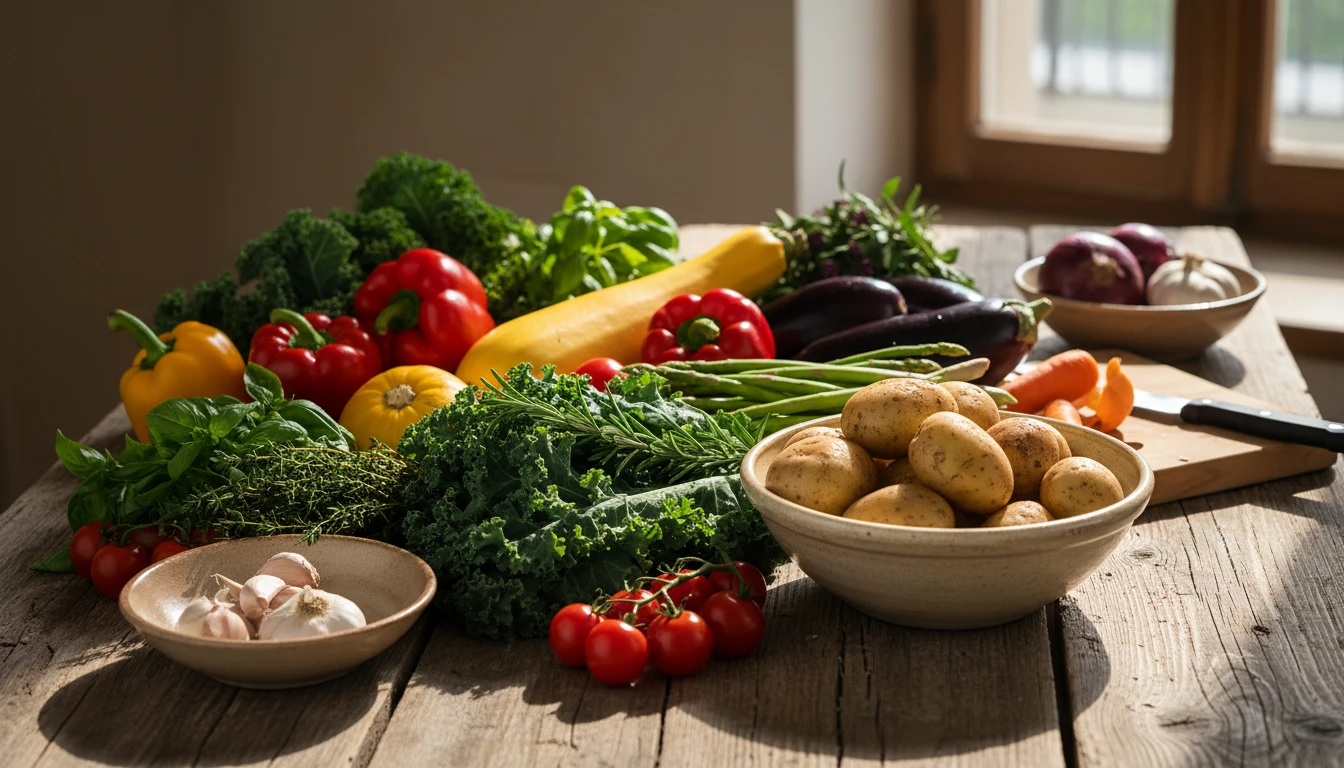
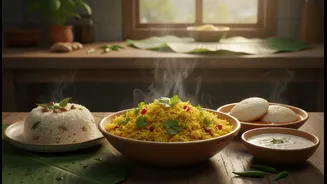
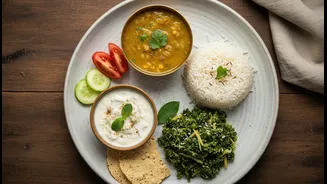
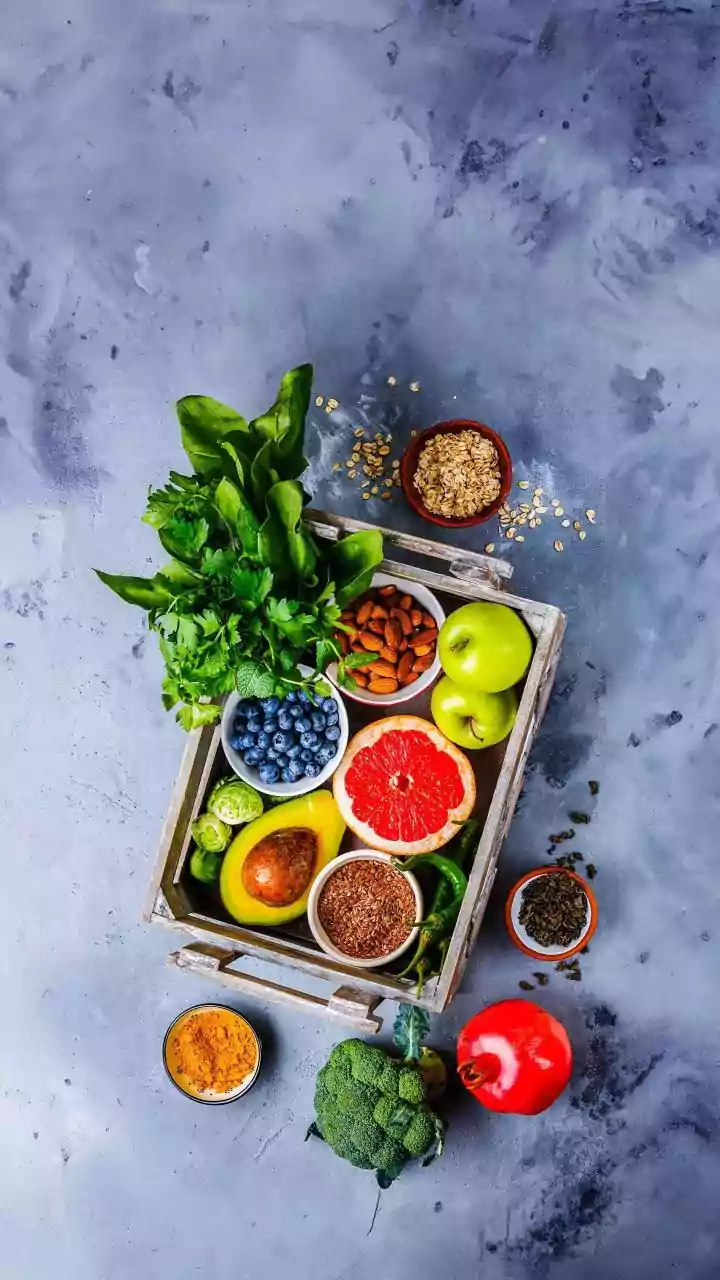
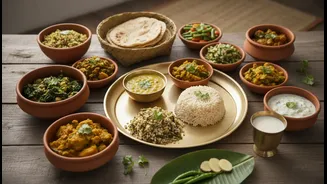
A traditional Shravan thali is vibrant with foods that are both nourishing and compliant with fasting rules. Fresh fruits are a cornerstone, providing natural energy, vitamins, and hydration. Dairy products like milk, yogurt (curd), and paneer are also essential, offering protein and calcium to maintain energy levels. For grains, regular wheat and rice are often replaced with alternatives like buckwheat flour (kuttu ka atta), amaranth (rajgira), water chestnut flour (singhara atta), and barnyard millet (samak rice). These are used to make everything from puris and rotis to cheelas. Sabudana (tapioca pearls) is another fasting superstar, prepared as khichdi, vadas, or kheer. Vegetables like potato, sweet potato, bottle gourd (lauki), and pumpkin are widely used, cooked simply with rock salt (sendha namak) instead of regular table salt.
What's Left Off the Menu: Foods to Avoid
Just as important as what is eaten is what is avoided. Non-vegetarian food, including meat, fish, and eggs, is strictly off-limits as a mark of respect for all living beings. Onions and garlic are also excluded because they are considered 'tamasic' and 'rajasic', believed to be overly stimulating to the body and mind. Many also avoid certain common grains and lentils. Some traditional beliefs also suggest avoiding leafy green vegetables during the monsoon, as the damp weather can make them prone to hosting insects and germs. The general rule is to steer clear of anything heavy, excessively oily, spicy, or processed to keep the body light and the mind clear.
The Primacy of Home Cooking
The headline's emphasis on "fresh home-cooked food" is central to the Shravan observance. Preparing meals at home ensures adherence to fasting rules and guarantees the purity and freshness of ingredients. It’s a way to control the type of salt and spices used, and to ensure that prohibited ingredients are not accidentally consumed. In recent years, while restaurants and food delivery services have offered modern takes on farali (fasting) food, many families are doubling down on traditional home cooking. This practice is about more than just food safety; it’s an act of mindfulness and devotion, turning the simple act of cooking into a part of the spiritual process. A freshly prepared meal, made with intention, is considered the best offering for both the body and the spirit during this sacred month.