



The Core of the Milky Way
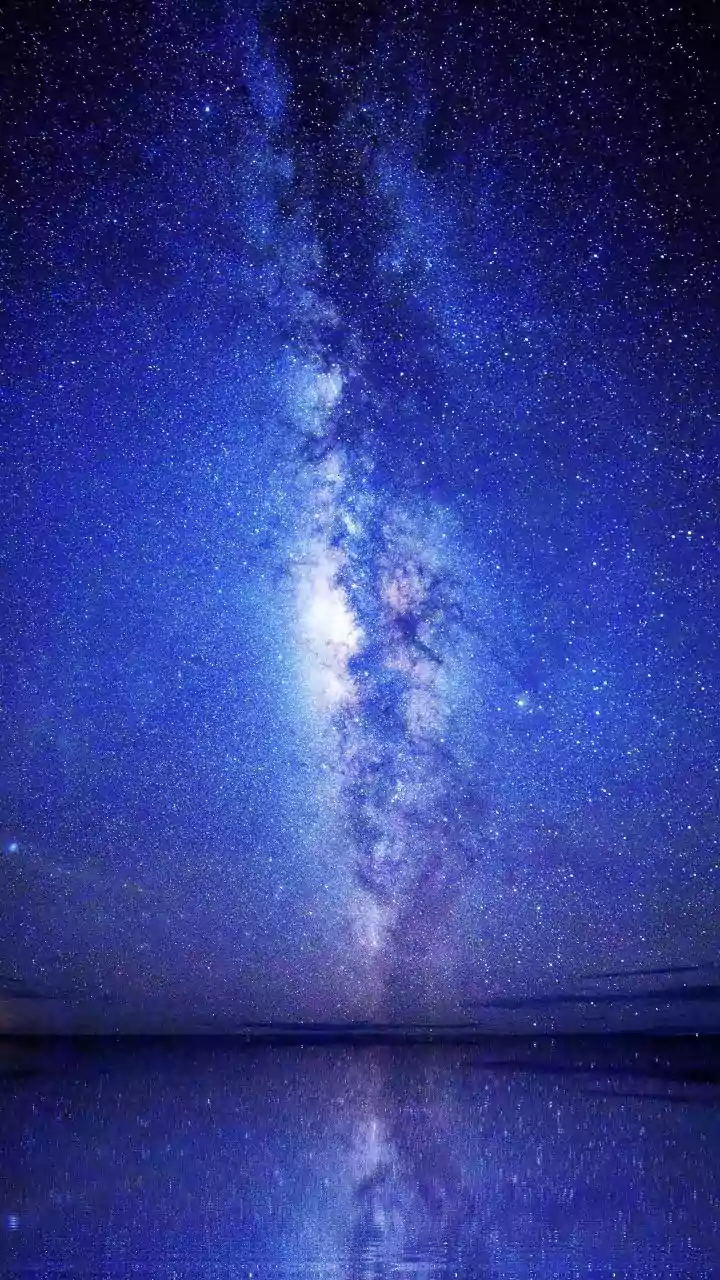
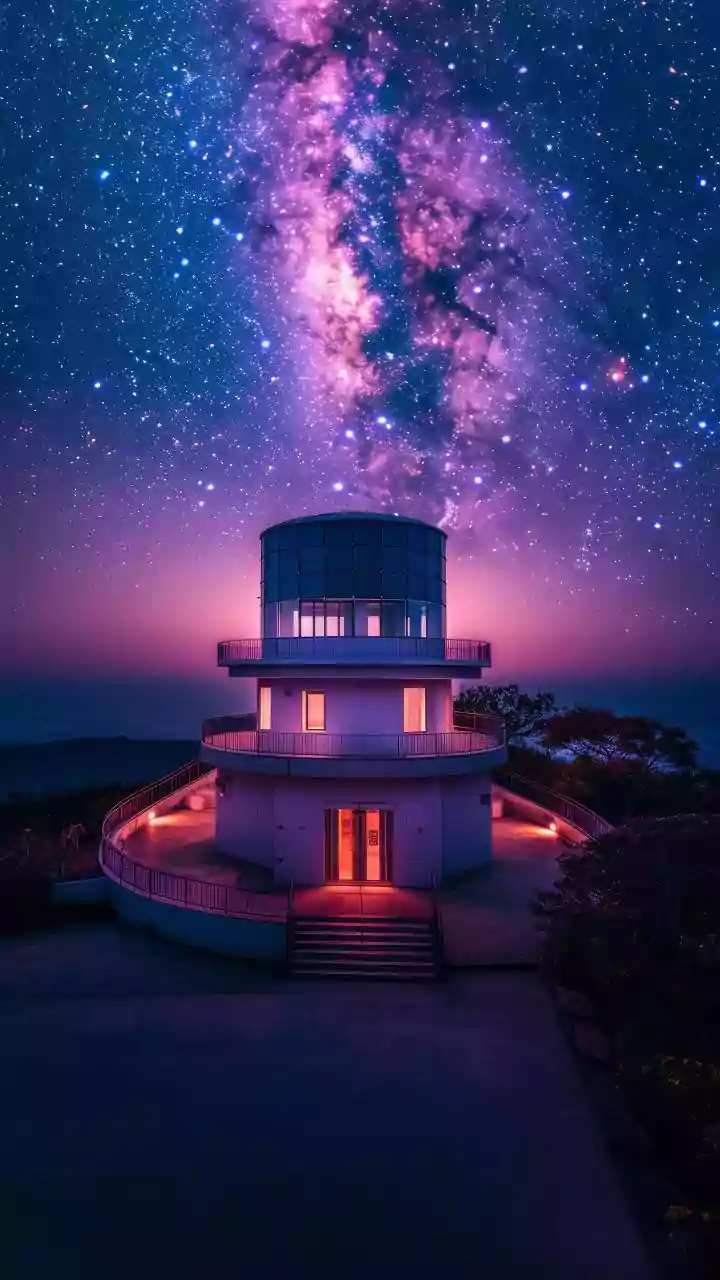
Throughout this week, late August provides a prime opportunity to view the majestic core of the Milky Way galaxy. The best time to look is after 9 PM, once the sky is completely dark. Face the southern horizon and look for the constellations Sagittarius
and Scorpius. In a location with minimal light pollution, you won't need any special equipment. The galactic centre will appear as a dense, glowing cloud of stars, a luminous band stretching across the heavens. This part of the sky is packed with countless stars, clusters, and nebulae, offering a breathtaking view into the heart of our galaxy. The experience is a powerful reminder of our place in the universe.
The Summer Triangle Overhead
While you're looking up, you can't miss the Summer Triangle, a prominent collection of three bright stars. This asterism isn't a constellation itself but is formed by three brilliant stars from three different constellations: Vega (in Lyra), Deneb (in Cygnus), and Altair (in Aquila). During late August evenings, the Triangle will be high overhead, making it easy to spot from anywhere in India. It serves as a great celestial landmark for navigating the night sky. Tracing its shape is a simple and rewarding activity for stargazers of all levels, helping you get oriented before you hunt for fainter objects. Saturn can also be seen as a steady, golden point of light, making it a simple target for beginners.
Partial Lunar Eclipse on August 28
The main event this week is a deep partial lunar eclipse happening in the pre-dawn hours of August 28. During this event, a significant portion of the Full Moon will pass through the darkest part of Earth's shadow, known as the umbra. This will cause one side of the Moon to appear noticeably darker, and some sources suggest it may even take on a reddish, 'Blood Moon' hue because of the depth of the eclipse. The Full Moon itself becomes most illuminated at 04:18 UTC (9:48 AM IST) on August 28, but the eclipse will be in progress before sunrise. Check local timings for your city to catch the Moon before it sets.
Tips for Best Viewing
To make the most of these celestial sights, preparation is key. The biggest challenge for stargazing in August across much of India is the monsoon. Keep a close eye on your local weather forecast and be ready to take advantage of any break in the clouds. Finding a location away from city lights is crucial. Light pollution drastically reduces what you can see, washing out the Milky Way and fainter stars. Places like Hanle in Ladakh, Spiti Valley, or desert areas in Rajasthan offer unparalleled dark skies, but even a trip to the outskirts of your city can make a big difference. Finally, give your eyes time to adjust. It takes about 20 to 30 minutes for your vision to adapt fully to the darkness, revealing a sky far richer than you can see at first glance.