






The Diaspora's Foundational Demand
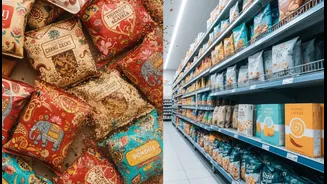
The global expansion of Indian snack brands was built on a solid foundation: the Indian diaspora. As millions of Indians moved abroad, they carried with them a powerful craving for the tastes of home. This created a ready-made, motivated customer base
in markets across North America, the UK, the Middle East, and Australia. Initially, these communities were the primary consumers, seeking out authentic flavours that connected them to their heritage. This consistent demand from a large and growing ethnic population provided the crucial first step, proving the market's viability and giving brands like Haldiram's and Bikaji a foothold in foreign retail environments, often starting in specialty ethnic grocery stores.
Beyond the Comfort Zone: Adapting for Mainstream Tastes
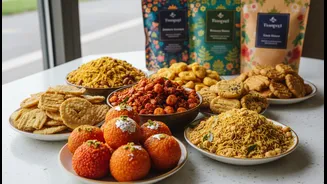
While the diaspora provided the launchpad, true global growth meant appealing to non-Indian consumers. This is where local adaptation becomes critical. Brands are increasingly moving beyond just exporting traditional recipes and are starting to innovate for the global palate. This can involve creating milder versions of spicy snacks, introducing new flavour profiles that fuse Indian spices with local preferences, or developing products that align with Western health trends like gluten-free or high-protein. For example, the success of roasted makhana (fox nuts) in Western markets positions it alongside kale chips and quinoa puffs, appealing to health-conscious consumers who may have never tried a traditional Indian snack before. This strategic pivot is helping to move Indian snacks from the ethnic aisle to the mainstream grocery cart.
A Case Study in Global Ambition: Haldiram's
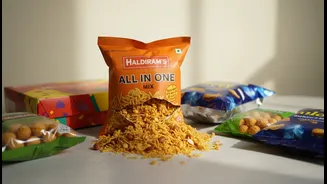
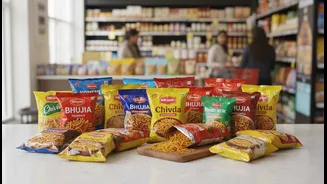
No brand exemplifies this dual strategy better than Haldiram's. From a small Bikaner shop, it has become a global force, available in over 80 countries. The company's international success stems from its ability to cater to two distinct markets simultaneously. For the diaspora, it offers the authentic, unadulterated tastes of India. For the broader market, it innovates. In a significant move, Haldiram's established a manufacturing facility in the UK in 2026 to produce locally for European consumers. Furthermore, a landmark partnership in February 2026 with Australia's Indian Foods Group and Spain's Nippon Group aims specifically to manufacture and push its products into mainstream European retail, a clear signal of its ambition beyond the diaspora. With a valuation of approximately $10 billion and backing from global investors, Haldiram's is not just selling snacks; it's exporting Indian food culture on an industrial scale.
The Shift to Local Production
A key part of the global strategy for major players like Haldiram's and Bikaji is the move from simply exporting finished goods to establishing manufacturing facilities in key overseas markets. Bikaji, for example, has invested in its U.S. subsidiary, Bikaji Foods International USA Corp. This move offers several advantages. It reduces shipping costs, shortens supply chains, and ensures product freshness. More importantly, it allows for quicker response to local market trends and easier adaptation of products. Having a production base in Europe or North America enables brands to tweak recipes, packaging, and marketing strategies to better suit local regulations and consumer preferences, a crucial capability for competing against established domestic giants.
Navigating Global Challenges
The path to global dominance is not without its hurdles. Indian brands face intense competition from established Western snack companies like Frito-Lay. A more significant challenge lies in navigating the complex and stringent food safety regulations of markets like the European Union and the United States. Between May 2024 and May 2026, EU member states rejected hundreds of Indian food products due to issues like excessive pesticide residues. Similarly, the US FDA frequently issues import refusals for Indian food shipments over concerns about unsanitary conditions, mislabeling, or contaminants. Maintaining consistent quality and adhering to these strict international standards across a fragmented supply chain is a major operational challenge that brands must overcome to build and maintain trust with global consumers.