

Moving Beyond the Extremes
For years, Indian interiors were often defined by two opposing poles: stark, hotel-like minimalism or a traditional maximalism heavy with ornamentation. But a new sensibility is emerging, one that seeks a middle ground. Often called 'warm minimalism'
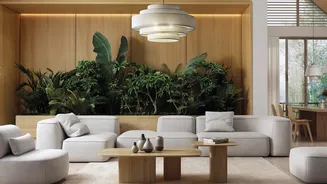
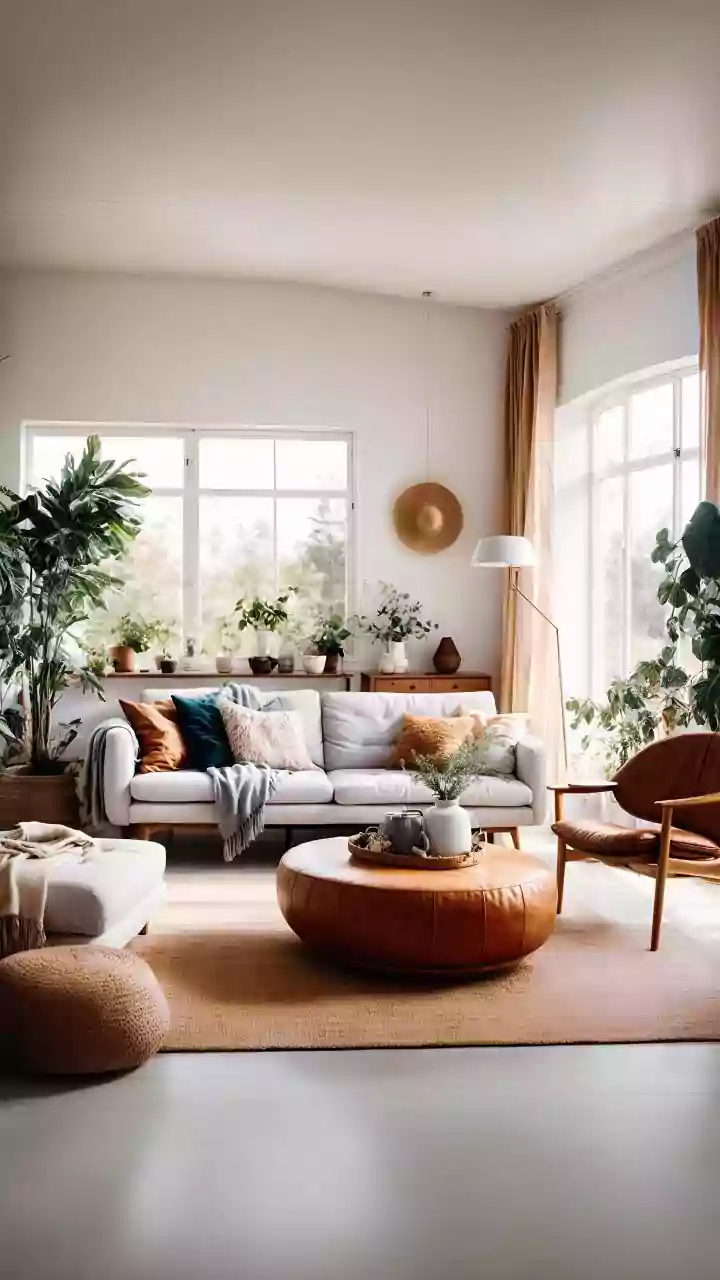
or 'soft living', this approach prioritises how a home feels over how it looks in a catalogue. It's less about performing good taste and more about creating a genuine sanctuary. The focus is shifting from spaces that feel staged to homes that are lived-in, emotionally comforting, and personal. This new philosophy values clean lines but not coldness, and personality without clutter, creating an environment that is both elegant and easy to live in.
A Symphony of Natural Textures
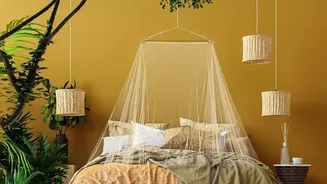
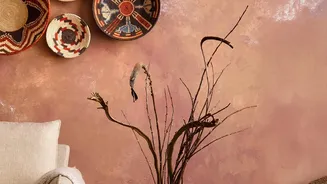
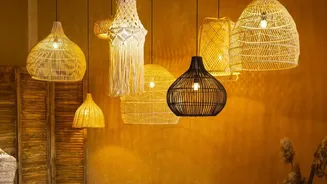
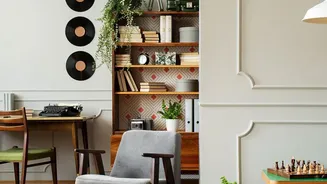
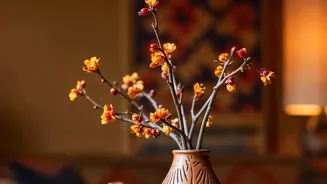
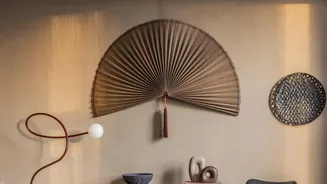
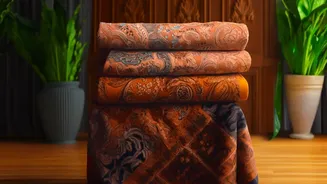
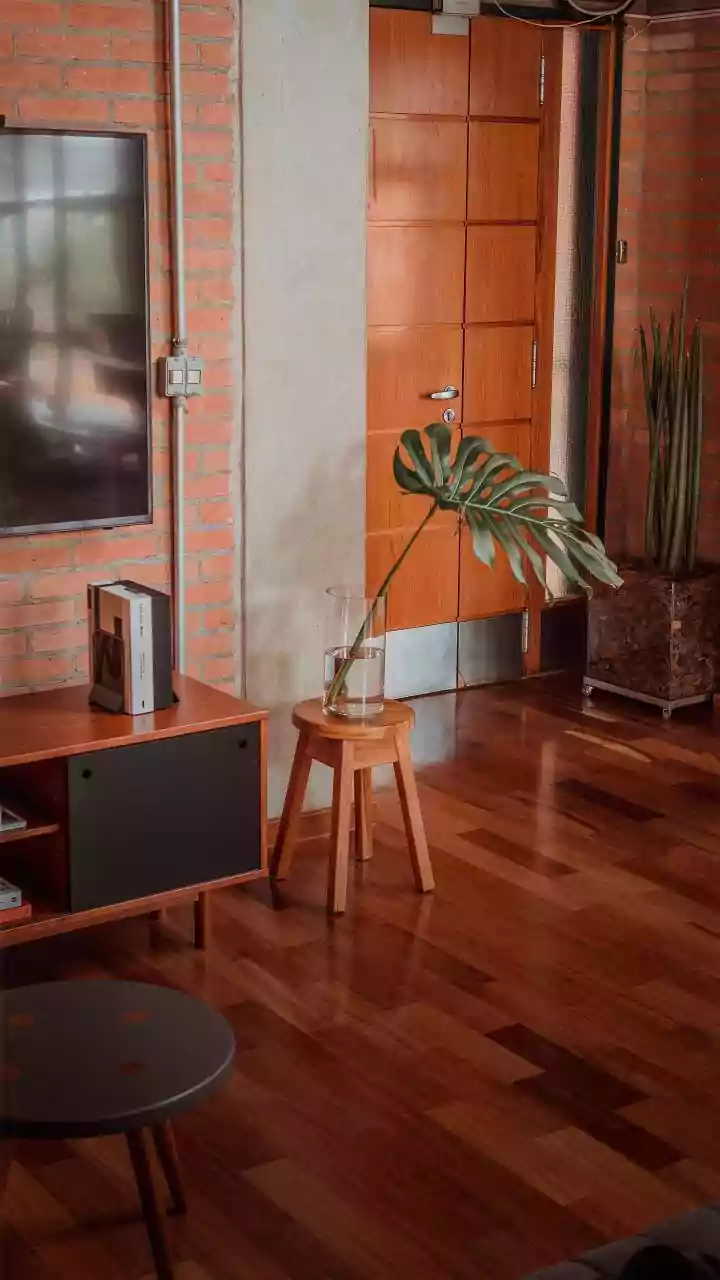
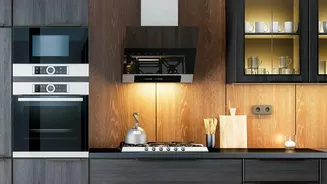
Texture is the new hero of the Indian interior. After a period dominated by high-gloss lacquers and flat, perfect surfaces, there's a strong return to materials that are tactile and honest. This trend celebrates the subtle imperfections found in nature and handcrafted goods. Think of the visible grain in solid teak or sheesham wood furniture, the rustic feel of a jute rug, or the cool smoothness of lime-plastered walls. Materials like rattan, cane, bamboo, and linen are being used generously for furniture, lighting, and textiles, bringing a handcrafted, organic feel indoors. Even decor items favour this approach, with handmade pottery, woven baskets, and clay artefacts becoming features, not flaws.
The Embrace of a Warmer Palette
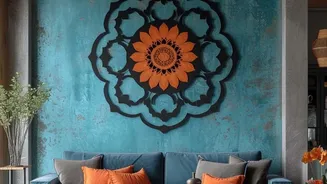
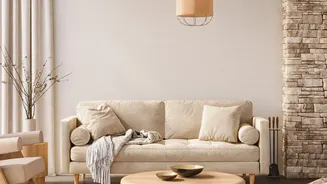
The cool grey and stark white palettes that recently dominated are softening significantly. The new Indian colour scheme is earthy, grounded, and deeply inviting. Homeowners are embracing warm neutrals like sand, beige, and creamy off-whites that feel cosy in Indian light. These are complemented by a rich array of earth-inspired shades. Terracotta, clay, burnt peach, olive green, and muted blues are increasingly popular for walls and furnishings. These colours bring a natural, lived-in warmth that pairs beautifully with wooden furniture and brass accents, creating spaces that feel both contemporary and rooted.
The Rise of Gentle, Curved Forms
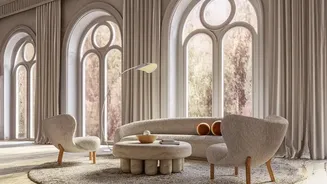
Perhaps the most noticeable shift is the move away from rigid, boxy furniture towards softer, gentler silhouettes. Sharp edges are being replaced by rounded sofas, oval coffee tables, and arched doorways and mirrors. This is more than just an aesthetic choice; it’s about creating a more welcoming and fluid environment. Design psychologists note that curves are associated with comfort and calm, making a room feel more approachable and less formal. In smaller urban apartments, curved furniture also has a practical advantage, as it's easier to navigate around. This trend, sometimes called 'biophilic design', mimics the organic shapes found in nature, fostering a sense of well-being and connecting our indoor spaces to the natural world.
A Return to Roots and Sustainability
Underpinning this entire aesthetic is a renewed appreciation for sustainability and local craftsmanship. There is a growing preference for eco-friendly and locally sourced materials like reclaimed wood, bamboo, and natural stones such as Kota. This is not just an ethical choice but a design one, as these materials add character and a sense of history to a space. Homeowners are increasingly choosing handcrafted pieces from Indian artisans over mass-produced imports, valuing the story and uniqueness each item holds. This shift reflects a desire for authenticity and a connection to cultural heritage, reinterpreted for a modern lifestyle. Ultimately, it's about creating a home that is not just beautiful, but also mindful and meaningful.