




The Golden Glow: Turmeric
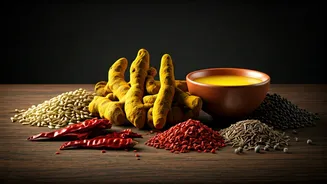
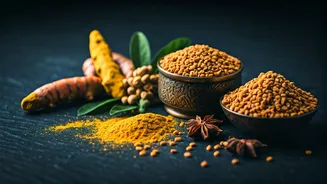
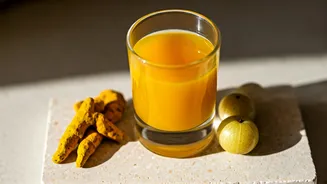
Turmeric, or haldi, is the undisputed king of the Indian spice box, but its fame has now gone global. The trend isn't just about adding colour to curry; it's about harnessing its active compound, curcumin. Celebrated for its potent anti-inflammatory and
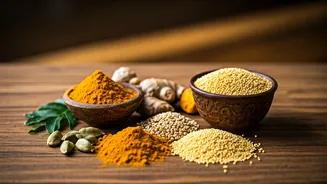
antioxidant properties, curcumin is the focus of thousands of scientific studies. Traditionally, a warm cup of 'haldi doodh' was the go-to remedy for everything from a common cold to body aches. Today, you’ll find it reimagined in trendy 'golden lattes' at cafes worldwide. While the body doesn't absorb curcumin easily on its own, pairing it with black pepper (which contains piperine) can significantly boost its absorption. A pinch in your sabzi, a dash in your dal, or a warm milky drink before bed are all simple ways to incorporate this golden powerhouse into your daily routine.
The Stress Soother: Ashwagandha
If you've heard the word 'adaptogen' recently, it was likely in the same sentence as ashwagandha. This ancient medicinal herb is one of the cornerstones of Ayurveda, traditionally used to help the body resist and adapt to stress. In our high-anxiety modern world, it's no wonder ashwagandha is trending. Research suggests it may help reduce cortisol levels, the body's primary stress hormone, leading to a sense of calm and well-being. It’s also linked to improved sleep quality and cognitive function. Once confined to Ayurvedic pharmacies, ashwagandha is now widely available as a powder, capsule, or tincture. Many people add the powder to smoothies, milk, or even their morning coffee to start the day on a more balanced note. Its slightly earthy, bitter taste is often masked with honey or other flavourings.
The Nutrient Powerhouse: Moringa
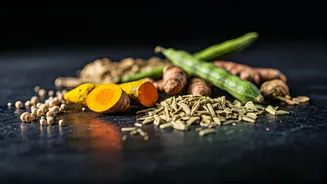
Often called the 'miracle tree', the moringa or drumstick tree has been a staple in Indian households for centuries, with its leaves, pods, and flowers used in various dishes like sambar. Now, the rest of the world is catching on to its incredible nutritional profile. Moringa leaves are packed with vitamins A, C, and E, as well as calcium, potassium, and protein. As a powder, it has become a go-to 'superfood' for adding a green boost to smoothies, juices, and energy balls. Its high concentration of antioxidants helps fight free radical damage in the body. While the fresh leaves and pods are best, the convenience of the powdered form has made its benefits accessible to a global audience seeking a simple, potent nutritional upgrade.
The Immunity Champion: Amla
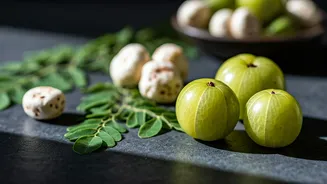
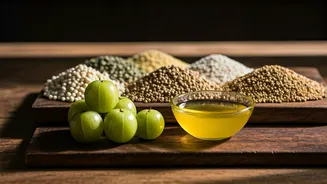
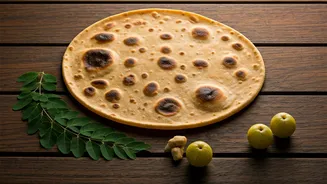
The humble Indian gooseberry, or amla, is a true giant in the world of wellness. It’s renowned for containing one of the most concentrated natural sources of Vitamin C—reportedly up to 20 times more than an orange. This makes it a powerful ally for the immune system, traditionally consumed during season changes to ward off infections. In Ayurveda, it's a 'Rasayana' herb, valued for its rejuvenating and anti-ageing properties. While its sour and astringent taste can be intense, it's traditionally consumed as a juice (often diluted), a sweet preserve (murabba), or a tangy powder. The modern wellness trend sees it being added to immunity-boosting shots and green juices, proving that this ancient fruit is more relevant than ever.
The Good Fat Comeback: Ghee
For years, desi ghee was unfairly villainised. Today, it’s making a triumphant return to kitchens as a 'healthy fat.' Made from clarifying butter, ghee is free of lactose and casein, making it suitable for many with dairy sensitivities. It’s rich in fat-soluble vitamins like A, E, and D, and contains butyric acid, a short-chain fatty acid that supports gut health. One of its most practical benefits is its high smoke point, which means it doesn't break down into harmful free radicals at high cooking temperatures, making it excellent for frying and sautéing. From being a sacred part of Ayurvedic practice to being endorsed by modern nutritionists for its stability and nutrient profile, ghee is a perfect example of traditional wisdom being validated by modern science.