








Superman: The Movie (1978)
Before 1978, superhero movies were often seen as low-budget fare for children. Richard Donner's 'Superman' changed all that. With the tagline, "You'll believe a man can fly," the film was a spectacle of hope, sincerity, and groundbreaking special effects.
It was a serious, big-budget production that treated its source material with respect. It proved that a comic book adaptation could be both a critical and massive commercial success, laying the foundation for the entire genre and showing Hollywood the immense potential waiting in the pages of comics.
Batman (1989)
If 'Superman' made superhero films respectable, Tim Burton's 'Batman' made them cool. This dark, gothic, and intensely stylish film was a cultural event. The marketing campaign, centered on the simple, iconic Bat-symbol, created a frenzy known as "Batmania." It shattered box office records, becoming the fastest film to gross $100 million at the time. More importantly, it established the template for the modern blockbuster: a massive opening weekend fueled by an inescapable marketing blitz and a merchandising empire that earned more than the film itself.
X-Men (2000)
By the late 90s, the genre had faltered. 'X-Men' resurrected it. Director Bryan Singer took a more grounded approach, trading colorful costumes for black leather and focusing on the story's powerful themes of prejudice and civil rights. Opening with a somber scene in a 1944 concentration camp, the film signaled that it was taking its allegorical story seriously. Its success in handling a large ensemble cast of beloved characters proved that complex comic book mythologies could be translated faithfully to the screen, kicking off the superhero movie boom of the 21st century.
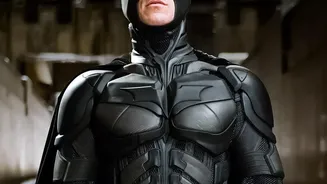
The Dark Knight (2008)
This wasn't just a great comic book movie; it was a great movie, period. Christopher Nolan's 'The Dark Knight' transcended the genre by framing itself as a sprawling crime epic. Heath Ledger's posthumous Academy Award for his portrayal of the Joker was a seismic moment, forcing critics and awards bodies to acknowledge the artistic legitimacy of superhero cinema. Many believe the film's exclusion from the Best Picture category led the Academy to expand the number of nominees in subsequent years, forever changing the Oscar race.
The Avengers (2012)
The idea was audacious: take the main characters from four separate movie franchises and unite them in one colossal film. Many in Hollywood thought it was an impossible gamble. But when 'The Avengers' assembled, it didn't just work—it changed the business of filmmaking forever. Grossing over $1.5 billion worldwide, it proved the viability of the shared cinematic universe. Soon, every studio was scrambling to create its own interconnected franchise, a model that has dominated blockbuster entertainment ever since.
Black Panther (2018)
No film demonstrated the cultural power of superhero cinema more profoundly than 'Black Panther'. More than just a movie, it was a global cultural movement. Celebrating Black culture and grappling with themes of identity, colonialism, and responsibility, the film resonated deeply with audiences worldwide. It broke numerous box office records, becoming the highest-grossing film from a Black director at the time. Its ultimate triumph was becoming the first superhero film ever nominated for the Academy Award for Best Picture, cementing the idea that these movies could be both wildly popular and culturally significant.