


The Economics of Connectivity
Transport, whether by air, rail, or road, is fundamentally a game of numbers. For an airline or a bus company to operate a route, it must be financially viable. This means selling enough tickets to cover fuel, staff, and maintenance costs. In many beautiful
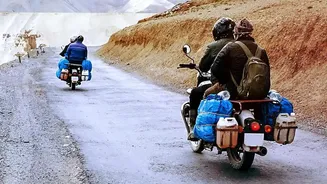
but less populated regions, the local population alone may not be large enough to guarantee this year-round. This is where tourism plays a crucial, often unseen, role. Tourist demand provides the critical mass of passengers needed to make a route profitable. A flight to a Himalayan town or a bus service along a scenic coastal road might only exist because of the seasonal influx of travellers. This infusion of demand ensures the route's survival, preventing it from being cancelled due to low ridership during off-peak times.
More Than Just Tourist Trails
While these routes are often marketed with tourists in mind, their benefits extend far beyond holidaymakers. Once a transport link is established and sustained by tourism, it becomes an integral part of the local infrastructure. For residents, this means newfound or more reliable access to larger cities for essential services. Suddenly, a multi-day journey for a hospital appointment, to attend a university, or to visit family can be reduced to a few hours. This connectivity is a powerful engine for regional development. It helps bridge the gap between remote areas and economic hubs, allowing small businesses to thrive by reaching new markets and enabling people to seek opportunities without having to permanently relocate. The route that brings a hiker to a mountain trail is the same one that allows a local artisan to sell their crafts in a city market.
A Lifeline for Remote Communities
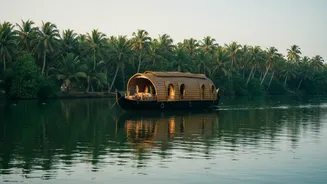
In many parts of India, from the mountains of Himachal Pradesh and Sikkim to the backwaters of Kerala, community-based and eco-tourism initiatives are showing how this symbiotic relationship can be fostered intentionally. Organisations are working with remote villages to develop sustainable tourism that not only provides income but also justifies the creation and maintenance of transport links. For example, a new trekking route in a Himalayan sanctuary can attract birdwatchers and hikers, and the transport required to bring them there becomes a lifeline for villagers, offering them a connection to the outside world that they might not have otherwise. This prevents the isolation that can lead to the decline of rural communities and helps preserve local cultures by making village life more sustainable.
Creating a Positive Feedback Loop
The relationship between tourism and local transport is not a one-way street; it's a virtuous cycle. Improved transport infrastructure, initially spurred by tourism, makes the region even more accessible and attractive to future visitors. This, in turn, strengthens the business case for the route, encouraging operators to increase frequency or improve service quality. For locals, this can mean more reliable schedules, better vehicles, and potentially even lower fares as the route becomes more established. This positive feedback loop enhances the overall experience for everyone. Tourists benefit from smoother travel, while residents gain an ever-improving, permanent asset that significantly enhances their quality of life and economic prospects.
The Power of Your Travel Choices
This dynamic re-frames the way we can think about our holidays. Every ticket purchased to a destination that relies on tourism contributes to this ecosystem. While issues like over-tourism are real and need to be managed, especially in popular hubs, travel to less-frequented areas can be a powerful force for good. By choosing to explore regions off the main tourist circuit, travellers are not just discovering hidden gems; they are casting an economic vote for connectivity. You are directly supporting the bus driver, the small guesthouse owner, and the local guide, while also helping to ensure that a student can get to college and a patient can reach a doctor. It’s a quiet but powerful impact, turning a simple vacation into a meaningful investment in a community's future.