





The Viral Phenomenon
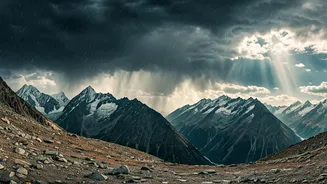
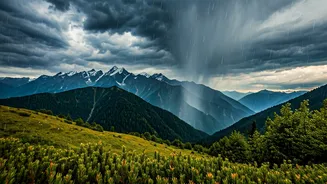
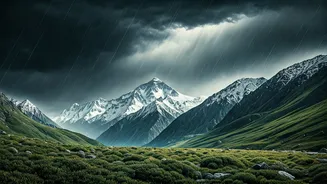
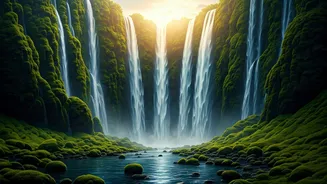
The visuals are undeniably captivating. Water, white and furious, cascades down mountainsides that were, just days before, merely green slopes. Rivers swell into roaring torrents, and the sheer volume of water creates a spectacle of nature's raw power.
Shared on platforms like Instagram and Twitter, these clips quickly go viral, often set to epic music. They are framed as a display of nature’s grandeur, a 'royal' cleansing of the landscape. But what we are witnessing is not just a beautiful natural occurrence; it’s the dramatic result of a specific and potent meteorological event interacting with a unique topography.
Meet the Western Disturbance
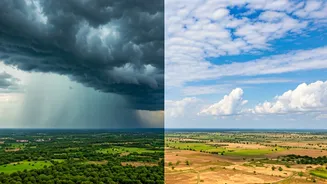
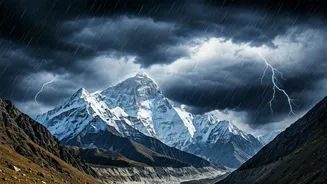
The primary driver behind this sudden deluge is a weather system known as a Western Disturbance (WD). Despite its name, its origins lie far to the west, in the Mediterranean region. A WD is essentially a low-pressure storm system that travels eastward across the Middle East and Afghanistan before arriving over northern India. While they are most active during the winter months, bringing crucial snow and rain to the Himalayas, their interaction with the summer monsoon can have explosive results. When a moisture-laden WD collides with the warm, humid monsoon winds, it creates a highly unstable atmospheric condition, primed for intense rainfall.
From Downpour to Cascade
This atmospheric clash doesn't just result in a steady drizzle; it triggers concentrated, heavy downpours over a short period. Unlike the plains where rainwater can spread out and be absorbed, the geography of the Himalayan foothills is steep and unforgiving. The rocky terrain and sharp gradients don't allow for gradual seepage. Instead, the massive volume of rainwater has nowhere to go but down, and fast. It carves new paths, funnelling into existing gullies and depressions, transforming them almost instantly into powerful, temporary waterfalls. These are the ‘water cascades’ that look so stunning on camera—nature’s plumbing system suddenly overwhelmed and put on public display.
The Himalayan Canvas
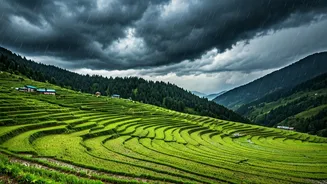
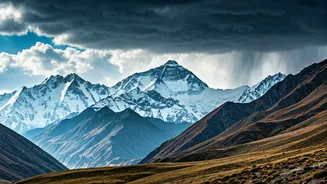
The 'royal' appearance is largely a trick of scale and perspective, amplified by the unique Himalayan landscape. The sheer verticality of the mountains means these waterfalls are often hundreds of feet high, creating a sense of grandeur that flat-terrain floods lack. The lush monsoon greenery provides a vivid, high-contrast backdrop to the roaring white water, making it visually arresting. From a distance, or through a camera lens, the scene appears pristine and powerful. The scale is so immense that it feels regal and ancient, as if a king were surveying his overflowing kingdom. This is the perfect recipe for a viral video.
The Reality Behind the Screen
However, the digital sublime often obscures a dangerous reality. The same forces that create these beautiful cascades also trigger devastating flash floods and landslides. The immense power of the water can wash away roads, bridges, and homes in minutes. For the communities living in these regions, the ‘royal’ spectacle is a source of immense anxiety and danger. The online aestheticization of the event—viewing it purely as a visual marvel—divorces it from its real-world consequences. What appears as a majestic cascade on a phone screen is, on the ground, a potentially life-threatening natural hazard. It is a stark reminder that the most beautiful phenomena in nature are often also the most powerful and perilous.