

A Classic, Reimagined
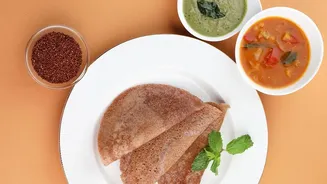
At its heart, a traditional dosa is a masterpiece of fermentation, a crisp crepe made from a batter of ground rice and lentils that has been left to sour overnight. The oats dosa, however, represents a delicious evolution. In its most popular form, it's
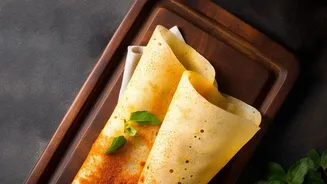
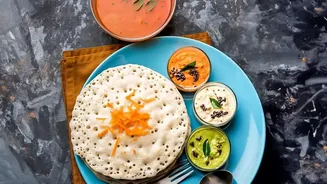
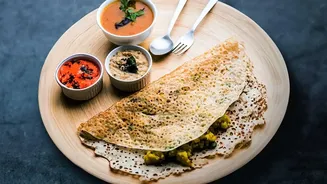
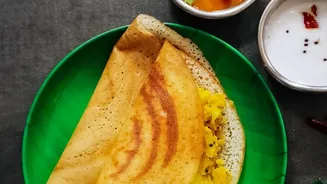
an 'instant' dish, meaning it skips the lengthy soaking and fermenting process entirely. Instead of rice and dal, the batter is primarily made from powdered oats, often mixed with a bit of rice flour or semolina (rava) for crispiness, and then thinned with water or curd. The result is a lacy, thin, and remarkably crisp crepe that can be prepared in under an hour, making it a perfect solution for time-pressed mornings.
The Nutritional Upgrade
The primary appeal of swapping rice for oats is the significant nutritional upgrade. Oats are celebrated as a 'diabetes superfood' and are packed with a soluble fibre called beta-glucan. This fibre is a powerhouse: it helps you feel fuller for longer, which can aid in weight management, and it slows down the absorption of glucose, helping to prevent sharp spikes in blood sugar. Compared to traditional rice-based dosas, which are higher in simple carbohydrates, oats offer a more complex carbohydrate profile, along with more protein, vitamins, and essential minerals like magnesium, zinc, and iron. While a standard dosa is a beloved comfort food, the oats version provides a more sustained energy release, making it a smarter choice for a productive day.
Beyond Breakfast: Speed and Versatility
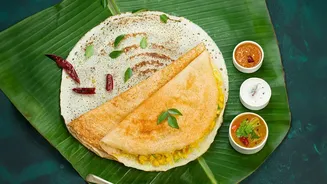
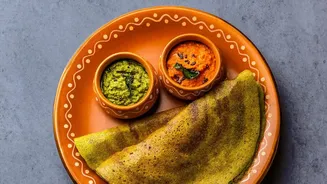
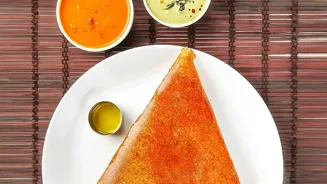
The convenience factor cannot be overstated. Traditional dosa batter requires at least a day of planning—soaking, grinding, and fermenting. An instant oats dosa batter, on the other hand, can be whipped up in minutes. This speed transforms the dosa from a weekend project into a viable weekday breakfast or even a light, quick dinner. The flavour profile is also delightfully different. While it doesn't have the distinct sour tang of a fermented dosa, it has a nutty, savoury taste that pairs beautifully with classic accompaniments like sambar and coconut chutney. Furthermore, the batter is a fantastic canvas for customisation. Finely chopped onions, green chillies, curry leaves, and cumin seeds are common additions that elevate the simple crepe into a flavour-packed meal.
Tips for the Perfect Crispy Dosa
Making oats dosa at home is simple, but a few tips can ensure you get that perfect, restaurant-style crispiness. First, the consistency of the batter is key. For the instant 'rava dosa' style, the batter should be very thin and watery, almost like buttermilk. This allows it to spread into a lacy, perforated crepe on the hot pan. Second, ensure your tawa or non-stick pan is very hot before pouring the batter. You should pour it from the outside in, filling any gaps. Don't try to spread it with the ladle like a traditional dosa. Let it cook undisturbed on medium-high heat until the edges start to lift and turn golden brown. This takes longer than a regular dosa, about three to four minutes, so patience is crucial. Finally, adding a small amount of rice flour or fine semolina (rava) to the ground oats is the secret to achieving maximum crispiness.