




Why Breathability is Your Best Friend
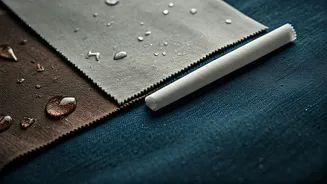
During the monsoon, high humidity is a bigger challenge than the rain itself. When you sweat in a non-breathable fabric, the moisture gets trapped against your skin, creating a damp, uncomfortable feeling. Breathable materials, on the other hand, allow
air to circulate and moisture to evaporate. This is crucial for not only comfort but also for preventing skin issues that can arise in damp conditions. The goal isn't just to be rain-proof; it's to be humidity-proof. Choosing lightweight, quick-drying fabrics is the key to feeling fresh and comfortable all day.
Cotton: The Classic Choice, Reimagined
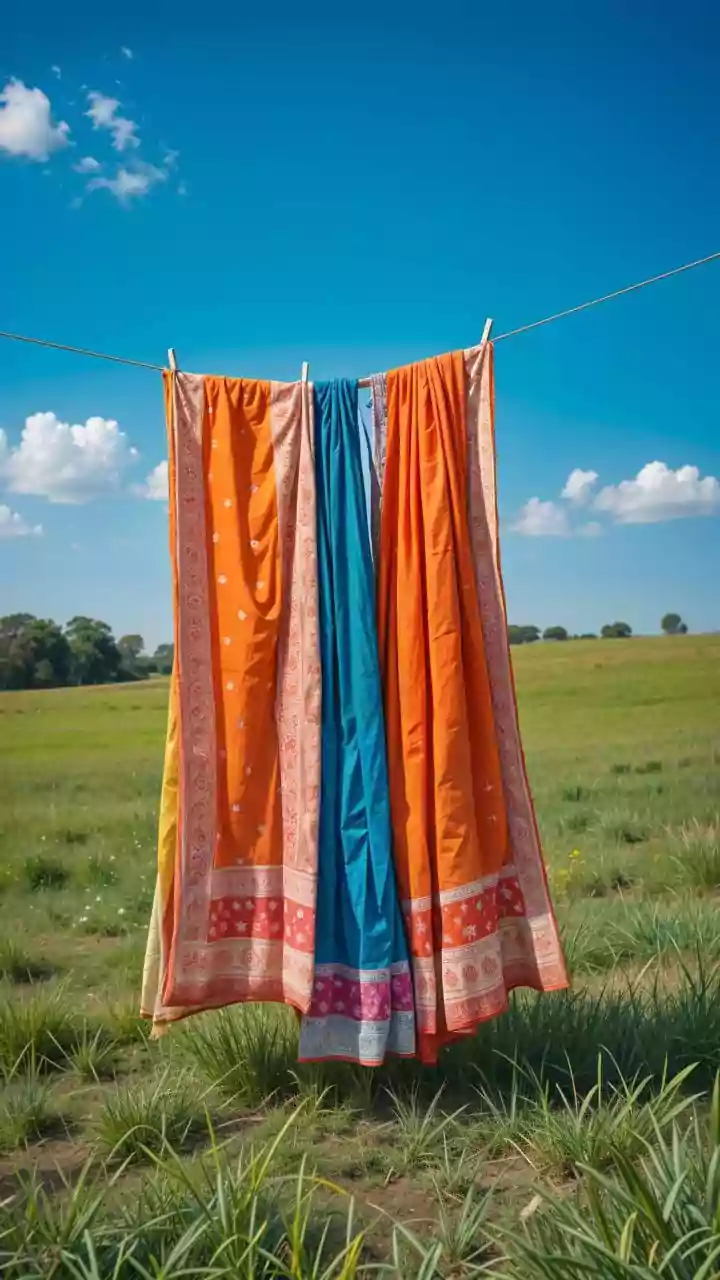
Pure cotton is often hailed as a summer staple, but it can be problematic in the monsoon as it absorbs a lot of water and takes a long time to dry. The solution lies in cotton blends and specific types of lightweight cotton. Look for fine cottons, cotton-polyester blends, or fabrics like cotton voile, which are incredibly light and airy. These options maintain cotton's softness and breathability while improving its drying time. A smart cotton kurta, a breezy shirt, or a tiered dress in a fine cotton weave can be both stylish and practical for a humid day.
Linen: The Undisputed King of Airflow
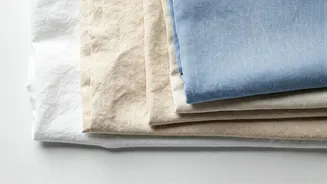
When it comes to beating humidity, linen is a top performer. Made from flax fibres, its natural, open weave allows for superior airflow, making it feel exceptionally cool against the skin. One of linen's best features for the monsoon is its ability to dry very quickly. While it does wrinkle easily, the relaxed, textured look is part of its charm and perfect for the season. Linen shirts, loose trousers, and dresses are excellent choices that offer an elegant yet effortless aesthetic.
Rayon and Modal: Silky, Soft, and Quick-Drying
For a fabric that feels like silk but performs like a monsoon champion, turn to rayon and its cousin, modal. These semi-synthetic fabrics are derived from natural cellulose, making them soft, smooth, and highly breathable. They drape beautifully without clinging to the body, which is a huge plus in sticky weather. Rayon absorbs moisture well and dries faster than pure cotton, making it an ideal choice for everything from flowy dresses and tops to comfortable jumpsuits.
Beyond the Basics: Other Smart Fabric Choices
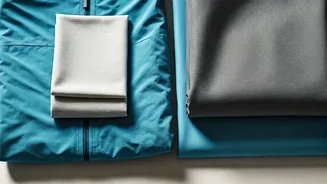
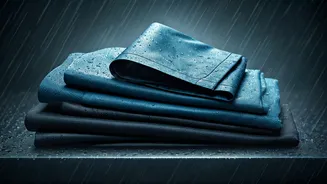
Don't be afraid to expand your monsoon wardrobe with other smart fabrics. Georgette and crepe are lightweight, resist wrinkling, and don't stick to the body, making them great for occasion wear. Chambray offers a denim-like look but is much lighter and more breathable, perfect for casual shirts and dresses. For active days, modern polyester performance blends are engineered to wick moisture away from the skin and dry in a flash. The key is to avoid heavy, dense fabrics like pure denim, velvet, and some silks, which trap moisture and take forever to dry.
Smarter Styling and Footwear
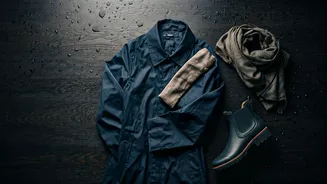
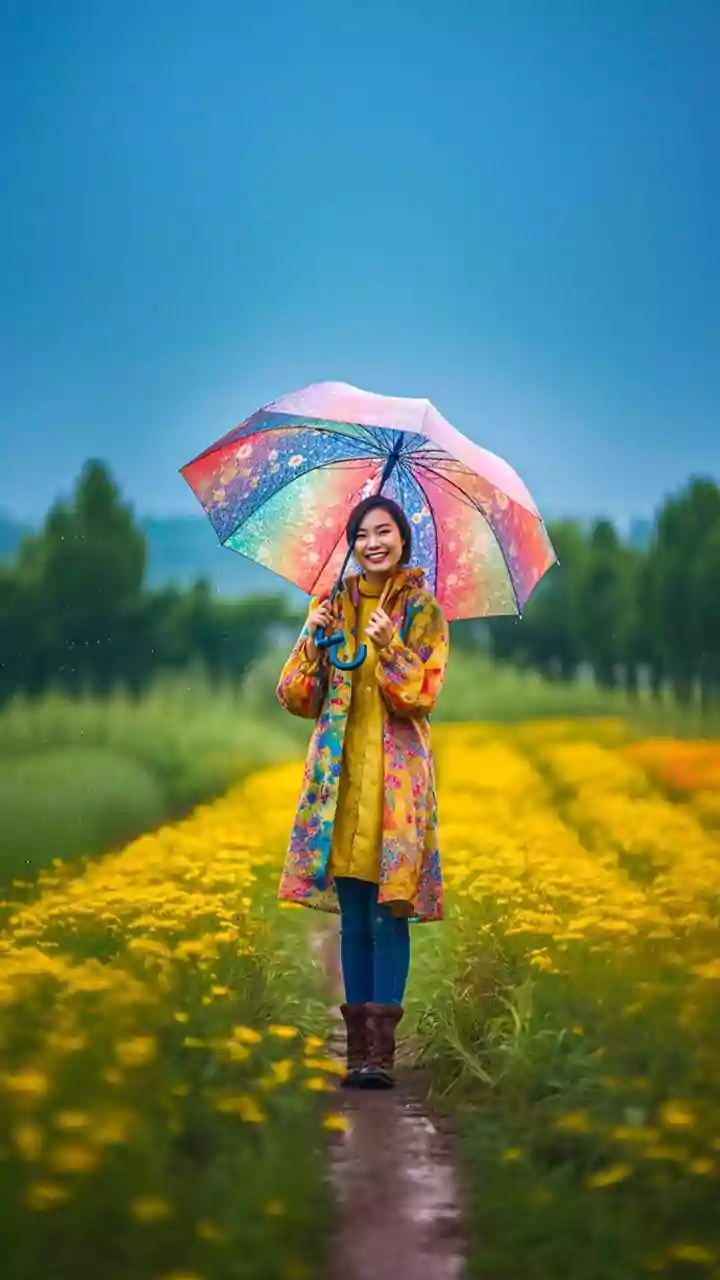
The right fabric is just the start. Opt for shorter hemlines like cropped trousers, culottes, and knee-length dresses to avoid dragging them through muddy puddles. Loose, relaxed silhouettes are always better than tight-fitting clothes in the humidity. When it comes to outerwear, consider a lightweight, foldable poncho or a stylish water-resistant jacket instead of a bulky raincoat. For footwear, ditch the leather and suede. Instead, choose stylish waterproof booties, rubber-soled sandals, or PVC flats that offer good grip and can handle a splash.