



Why Consider a Bread Swap?
Before we dive into the alternatives, let's clarify: not all bread is created equal. Wholegrain and sourdough breads can be part of a healthy diet. However, many commercially available white and brown breads are made from highly refined flour. This flour is quickly
digested, which can cause sharp spikes in blood sugar, and often lacks the fibre and micronutrients found in whole foods. For those with gluten sensitivity or celiac disease, avoiding wheat-based bread is a necessity. For others, exploring alternatives is a fantastic way to increase vegetable intake, boost fibre, and bring exciting new textures and flavours to your plate.
1. Wholesome Millet Rotis
Move over, wheat. Millets like jowar (sorghum), bajra (pearl millet), and ragi (finger millet) are ancient Indian grains making a major comeback for good reason. These are naturally gluten-free and packed with nutrients. Jowar is rich in protein and fibre, which aids digestion and keeps you full for longer. Bajra is a good source of iron and magnesium, while ragi is celebrated for its high calcium content. Making soft rotis from their flour is a classic way to enjoy them. Use them to scoop up curries, sabzis, or even as a wrap for a healthy roll. They provide a dense, earthy flavour that pairs beautifully with Indian cuisine.
2. Crisp Lettuce or Cabbage Wraps
For the ultimate low-carb, low-calorie swap, look no further than your vegetable crisper. Large, sturdy leaves of iceberg lettuce or even cabbage make for an excellent, crunchy wrap. They are perfect for holding fillings like grilled paneer, chicken tikka, or a simple chickpea salad. The trick is to use the whole leaf as you would a tortilla or roti. This swap instantly adds hydration and vitamins to your meal with virtually no extra calories. The satisfying crunch is a bonus, providing a textural contrast to the soft filling inside. It’s a refreshing choice, especially for a light lunch.
3. Hearty Sweet Potato Slices
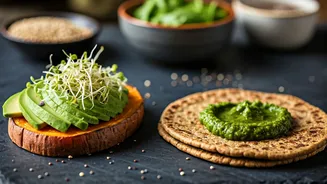
If you love toast for breakfast, this is a game-changer. Instead of a bread slice, use a slice of sweet potato. Cut a large sweet potato lengthwise into 1/4-inch thick slices. You can pop them in a toaster (it might take a few cycles), pan-fry them with a little ghee, or bake them until tender. Sweet potatoes are a nutritional powerhouse, loaded with fibre, vitamins A and C, and antioxidants. Their natural sweetness pairs well with both savoury toppings like avocado and a sprinkle of chaat masala, or sweet ones like a dollop of yoghurt and fruit.
4. Savoury Oat Chillas or Pancakes
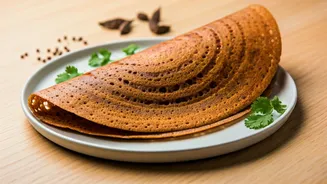
Oats aren't just for porridge. You can grind rolled oats into a fine flour and use it to make savoury pancakes, often called 'chillas'. Mix the oat flour with besan (gram flour) or use it on its own, adding water, chopped onions, tomatoes, coriander, and spices. Cook them like you would a regular pancake. Oats are an excellent source of soluble fibre, particularly beta-glucan, which is known to help lower cholesterol and stabilise blood sugar levels. These oat chillas are a filling, protein-rich alternative to toast that can be enjoyed for breakfast or as a tiffin snack.
5. Sturdy Bell Pepper 'Sandwiches'
This is another creative way to use vegetables as a bread substitute. Cut a bell pepper (capsicum) in half from top to bottom and remove the seeds. You are left with two 'boat' shapes that can serve as the 'buns' for your sandwich. Fill them with tuna salad, mashed eggs, or a quinoa stuffing. Bell peppers are extremely low in calories and bursting with Vitamin C. They provide a juicy, crunchy container for your favourite fillings and add a vibrant splash of colour to your lunch plate.