



Not All Modaks Are Created Equal
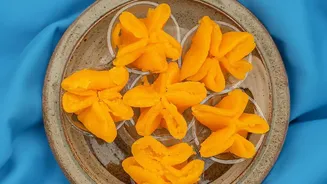
The first step to proper storage is knowing what kind of modak you have. The most common varieties have vastly different shelf lives. The beloved Ukadiche Modak, with its steamed rice flour shell and fresh coconut-jaggery filling, is the most perishable.
Its high moisture content means it's best consumed the same day it's made. Fried modaks, which have a crispy wheat flour or maida shell, last longer due to the frying process which reduces moisture. Then there are mawa or khoya modaks, which are made from milk solids. These have a moderate shelf life, falling somewhere between steamed and fried versions. Finally, dry fruit modaks, made from ingredients like dates and nuts, can last the longest.
The Science of Spoilage: Ingredient Matters
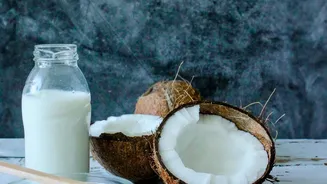
The ingredients inside your modak are the primary drivers of its freshness. Moisture is the biggest factor; foods with high water content spoil faster. This is why steamed modaks made with fresh coconut are so delicate. Freshly grated coconut has a much shorter shelf life than desiccated (dry) coconut. Similarly, mawa or khoya, being milk products, are highly perishable and require refrigeration. Sweets with a higher sugar or jaggery content tend to last a bit longer, as sugar acts as a natural preservative by drawing out moisture. However, once a sweet is made, especially one with milk or fresh coconut, the clock starts ticking. For any prasad, using high-quality, fresh ingredients is the first step to ensuring it lasts as long as possible.
The Temperature Game: Fridge vs. Countertop
For Ukadiche Modak, room temperature storage is only suitable for a few hours, up to a day at most. Any longer, and they must be refrigerated in an airtight container, where they can last for about two to three days. When it's time to eat them, it's best to re-steam them for a few minutes to restore their soft texture. Fried modaks are more forgiving; they can be kept in an airtight container at room temperature for a day or two and will last up to a week in the refrigerator. Mawa modaks must be refrigerated and can last for several days, sometimes even up to a week or more if stored properly. Dry fruit modaks are the most stable and can be stored in an airtight jar at room temperature for up to 10 days.
General Prasad Storage Tips
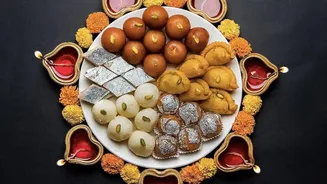
The principles for storing modaks apply to most other forms of prasad. Always allow sweets to cool completely to room temperature before storing them. Placing warm food in a sealed container creates condensation, which introduces moisture and encourages spoilage. Use airtight containers, preferably made of glass or stainless steel, to protect prasad from air, moisture, and absorbing odors from other foods in the fridge. For dry sweets like panjiri or besan ladoo, an airtight container in a cool, dark place is sufficient. For milk-based sweets like peda or barfi, refrigeration is non-negotiable and they should be consumed within a few days.
Know When to Let Go: Signs of Spoilage
Above all, food safety is paramount. Before consuming any leftover modak or prasad, inspect it carefully. An off or sour smell is the most obvious sign that a sweet has gone bad. Look for any visible mold, which can appear as fuzzy spots of white, green, or black. The texture might also change; a sweet that was once soft might become hard, or a dry sweet might become slimy or sticky. If you notice any of these signs, it is always safest to discard the food. When in doubt, throw it out. It is better to be safe than to risk a foodborne illness during a festive time.