


Meet SHAPE: The Exoplanet Hunter in Disguise
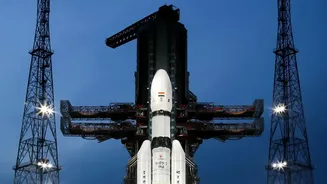
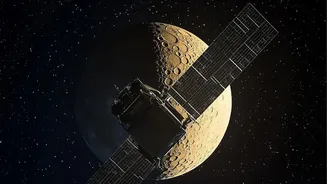
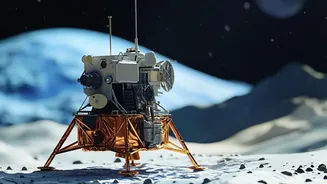
Aboard the Chandrayaan-3 mission's Propulsion Module was a lone, experimental scientific instrument with a big job. Its name is SHAPE, which stands for Spectro-polarimetry of HAbitable Planet Earth. While the Vikram lander and Pragyan rover were destined
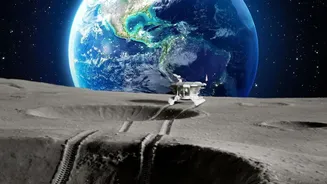
for the lunar surface, SHAPE’s primary role was to stay in orbit and stare back at our home planet. Its mission wasn't to take pretty pictures, but to do something much more profound: to study the unique light signatures of Earth. The goal was to characterize what a life-bearing planet looks like from afar, effectively using Earth as a template, or a cheat sheet, for future searches for habitable worlds orbiting distant stars, known as exoplanets.
A Unique Vantage Point
Why study Earth from the Moon? Because it provides the perfect dress rehearsal for exoplanet observation. When astronomers look at an exoplanet, which can be trillions of kilometres away, they can’t see continents or oceans. All they receive is a single point of light. The challenge is to decode that light to figure out what the planet is made of, what its atmosphere contains, and whether it has clouds or liquid water. By observing Earth as a 'disc-integrated' point of light from lunar orbit, SHAPE could see our planet just as a powerful future telescope might see a distant Earth-like world. This allowed scientists at the Indian Space Research Organisation (ISRO) to gather reference data on a known habitable planet, capturing its unique spectral and polarimetric 'fingerprints'.
How It Works: Decoding Earth's Light
SHAPE is a sophisticated instrument known as a spectro-polarimeter. It analyses light in the near-infrared spectrum, which is invisible to the human eye. It does two main things. First, it breaks down light into its constituent colors (a spectrum), which reveals the chemical composition of Earth's atmosphere, such as the presence of water vapor. Second, it measures the light's polarization—the orientation of the light waves. This information is crucial for identifying features like clouds. By combining these two measurements, SHAPE gathered detailed data on how Earth’s light signature changes as the planet rotates and different surfaces (like oceans, forests, and deserts) come into view. The instrument was operated for months, first from lunar orbit and then from a high Earth orbit after the Propulsion Module was cleverly repositioned to extend its life.
A Clever Use of the Propulsion Module
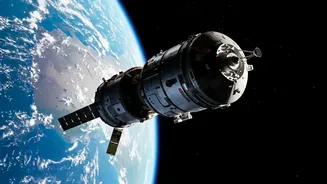
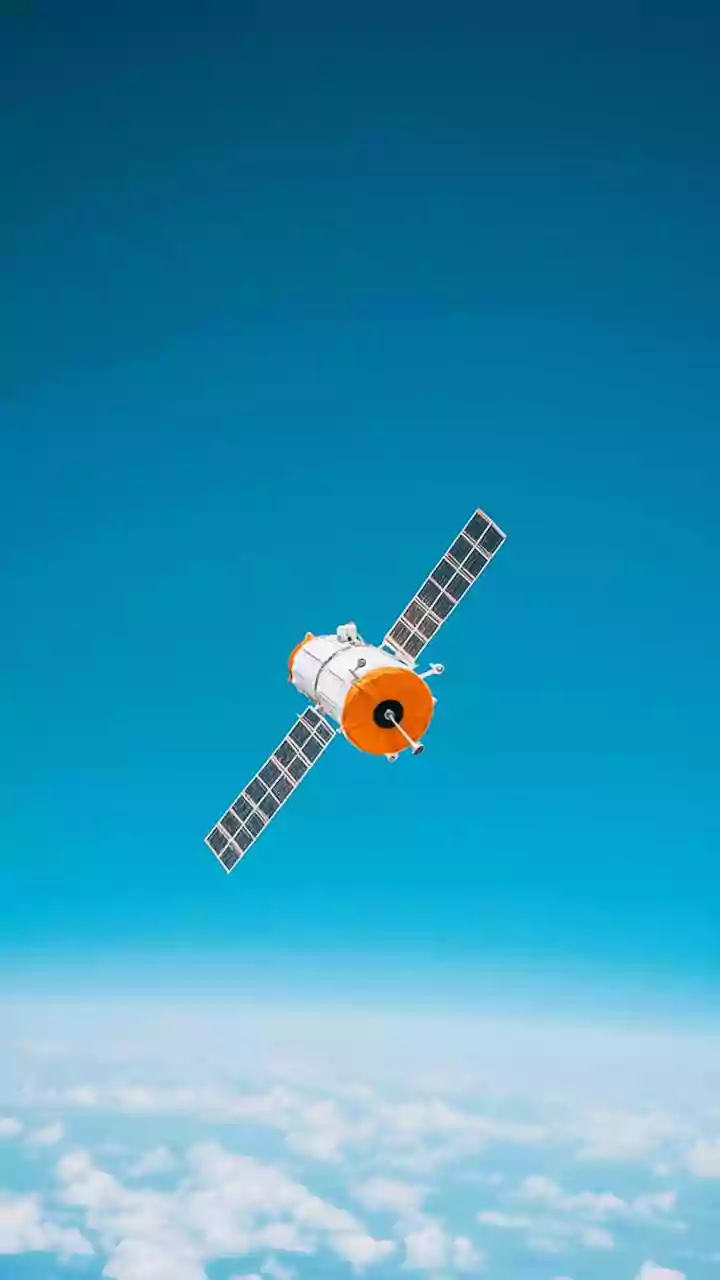
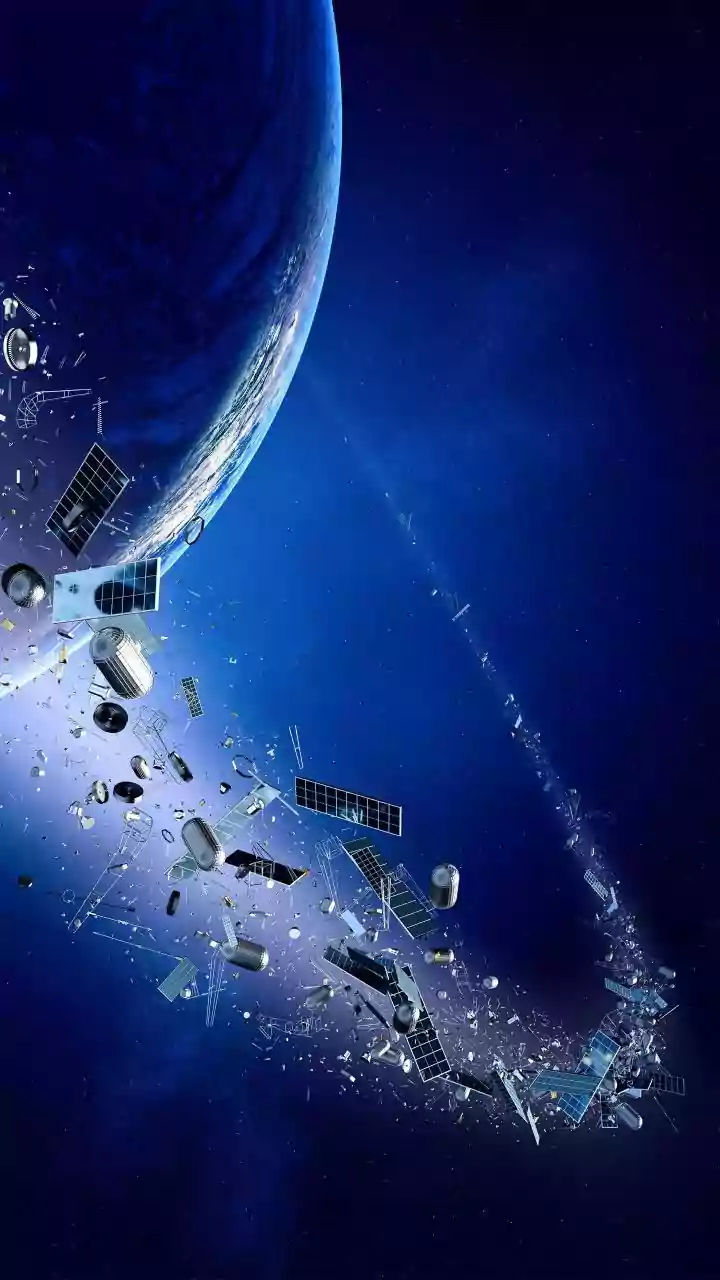
Originally, the Propulsion Module's only job was to act as a ferry, transporting the lander and rover to a 100 km lunar orbit before separation. However, ISRO engineers decided to add SHAPE as a value-added payload to maximize the mission's scientific output. This decision proved incredibly insightful. After successfully deploying the lander, the module had over 100 kg of fuel remaining. Instead of letting it eventually crash, the team executed a series of brilliant maneuvers to move it out of lunar orbit and back into an orbit around Earth. This not only prevented the creation of space debris on the Moon but also allowed SHAPE to continue its valuable observations of Earth for much longer than initially planned.
The Big Picture: Paving the Way for Alien Worlds
The data collected by SHAPE isn't just about understanding our own planet better; it’s a critical investment in the future of astronomy. The catalogue of Earth's light signatures will serve as a vital benchmark for scientists using next-generation telescopes to hunt for exoplanets. When they detect a distant, rocky world and analyze its light, they can compare it to the data from SHAPE. If the signatures match, it could be a strong indicator that the exoplanet has clouds, an atmosphere, and maybe even oceans—key ingredients for habitability. This experiment transforms Chandrayaan-3 from a purely lunar mission into a foundational part of humanity’s quest to find another Earth, showcasing India’s innovative and forward-thinking approach to space exploration.