







How High Have Prices Climbed?
The price of gold has seen a significant upward trend in 2026. As of August 21, 24-carat gold is trading at around ₹1,60,000 per 10 grams. This represents a dramatic increase over the past year, with some analysts noting a surge of over 80% year-on-year.
This sustained rally has pushed domestic gold rates to near-record levels, creating a noticeable impact on consumer sentiment as the all-important festive and wedding season approaches. The current prices reflect a combination of global trends and local market forces that have aligned to make the precious metal more expensive than ever for Indian buyers.
What's Driving the Price Rise?
There isn't one single reason for the steep climb; rather, it's a mix of global and domestic factors. Internationally, economic uncertainty and geopolitical tensions have increased gold's appeal as a 'safe-haven' asset for investors. Major central banks, including the RBI, have also been increasing their gold reserves, which boosts overall demand. Domestically, the Indian Rupee's performance against the US Dollar plays a crucial role. Since India imports most of its gold, a weaker rupee makes the metal more expensive to bring into the country. Furthermore, the government raised the import duty on gold from 6% to 15% in May 2026, a cost that is quickly passed on to retail customers.
The Impact on Festive and Wedding Budgets
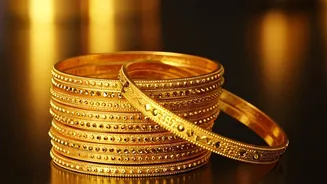
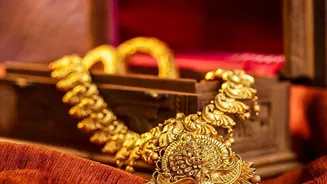
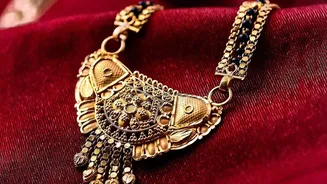
For generations, gold has been an inseparable part of Indian weddings and festivals like Dhanteras and Diwali. It's not just an adornment but also a form of financial security. However, with prices nearing ₹1.6 lakh for 10 grams, the strain on household budgets is undeniable. Families are now facing the difficult choice of either increasing their budget significantly or reducing the amount of gold they purchase. This price pressure is forcing a shift in buying behaviour. While demand remains culturally ingrained and resilient, many consumers are now adapting their purchasing habits to cope with the new reality of expensive gold.
How Are Buyers Adapting?
Indian consumers are known for their adaptability, and this situation is no different. Many are now opting for lightweight jewellery designs that offer a modern look without the hefty weight and price tag. There's also a noticeable shift towards lower-carat gold, such as 18k or 14k, which provides a similar appearance at a more accessible price point. Another trend is the rise of 'one-gram gold' jewellery, which consists of a base metal coated with gold, offering an affordable alternative for ceremonial wear. For those focused purely on investment, the conversation is moving away from physical jewellery, which includes making charges, and towards more efficient forms of ownership.
Smart Ways to Invest and Purchase
If buying gold is on your agenda, there are smarter ways to approach it than an outright jewellery purchase. For investment purposes, consider options that eliminate making charges and storage concerns. Gold Exchange Traded Funds (ETFs) and Sovereign Gold Bonds (SGBs) are excellent, regulated options. Digital gold has also become popular, allowing you to buy and accumulate gold in small, affordable fractions using UPI. For those who must buy jewellery, planning is key. Many jewellers offer savings schemes that allow you to pay in installments and lock in a rate. Spreading your purchases over time, a strategy known as dollar-cost averaging, can also help mitigate the risk of buying at a price peak.