


1. Panchamrit: The Divine Nectar
No Janmashtami puja is complete without Panchamrit. The name translates to "five nectars," representing the five sacred ingredients used to create this holy concoction: milk, curd (yogurt), honey, ghee (clarified butter), and sugar. Each ingredient holds
symbolic meaning, representing purity, prosperity, sweetness, strength, and bliss. This no-cook recipe is perhaps the easiest and most significant offering. To prepare it, simply combine one cup of raw milk, two tablespoons each of curd, honey, and ghee, and one tablespoon of sugar in a clean bowl. Gently mix the ingredients together without whipping. Many also add a few Tulsi (holy basil) leaves, as they are considered very dear to Lord Krishna. This mixture is first used in the deity's ritual bath (abhishekam) and then distributed as prasad.
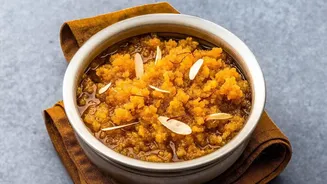
2. Dhaniya Panjiri: A Unique Prasad
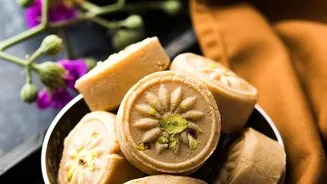
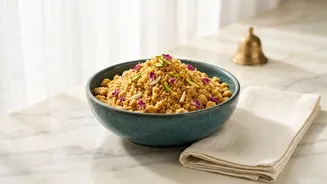
Dhaniya Panjiri is a unique and aromatic prasad specifically associated with Janmashtami, especially in North India. It is made from roasted coriander seed powder, ghee, powdered sugar, and a generous mix of nuts and dried fruits. Since many devotees fast on this day, this wheat-free preparation is a perfect offering. To make it, heat a tablespoon or two of ghee in a pan and roast half a cup of coriander powder on low flame until it becomes fragrant and changes color slightly. In the same pan, roast chopped nuts like almonds, cashews, and makhana (fox nuts) until crisp. Once everything has cooled, combine the roasted coriander powder, nuts, and half a cup of powdered sugar. Mix well and your fragrant Dhaniya Panjiri is ready to be offered.
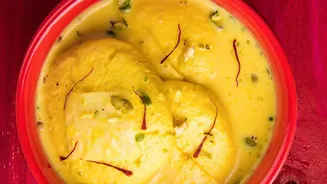
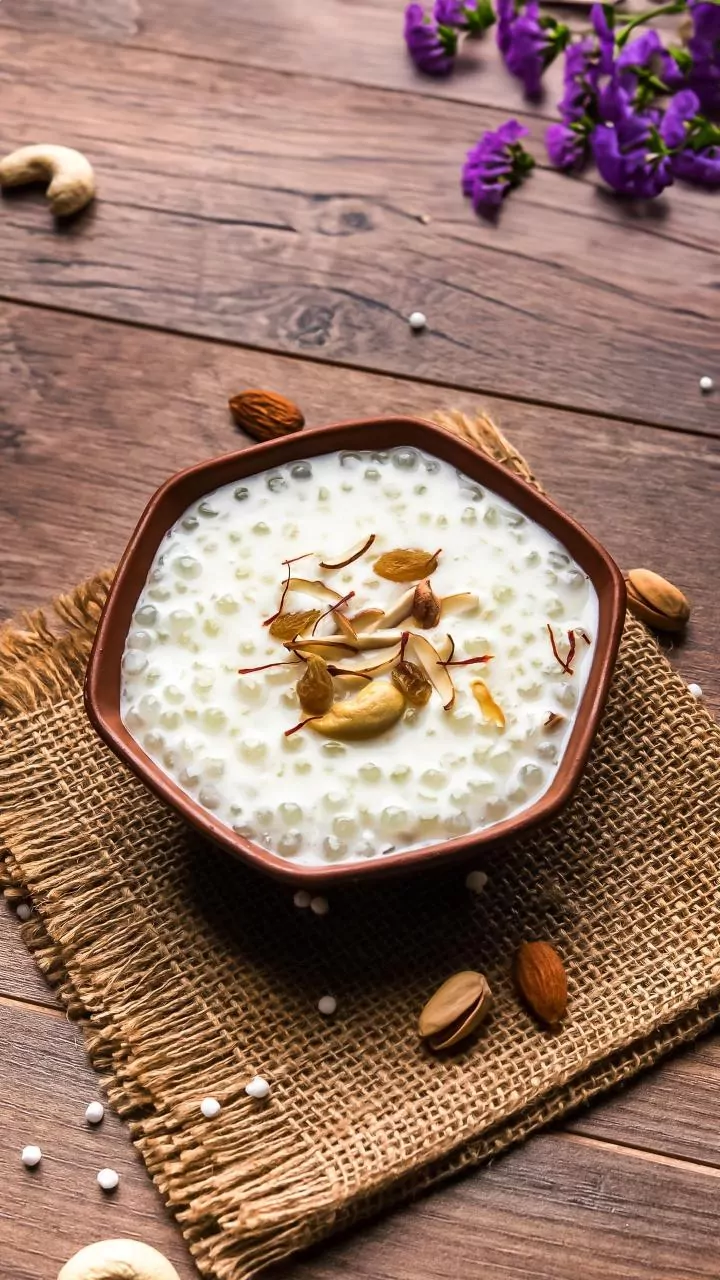
3. Makhana Kheer: A Creamy Delight
Lord Krishna's fondness for milk and milk-based sweets is legendary, making kheer an essential part of the bhog. Makhana Kheer, or fox nut pudding, is a simple, creamy, and delicious dessert that is also suitable for fasting. To prepare this, start by roasting one cup of makhana in a little ghee until they are crisp. Lightly crush about half of the roasted makhana to help thicken the kheer. In a separate pan, bring half a litre of full-fat milk to a boil. Add the whole and crushed makhana and let it simmer until the fox nuts become soft and the milk thickens. Stir in sugar to taste, a pinch of cardamom powder, and some saffron strands for a beautiful colour and aroma. Garnish with chopped nuts like pistachios and almonds before offering.
4. Gopalkala: Krishna's Favourite Savoury Snack
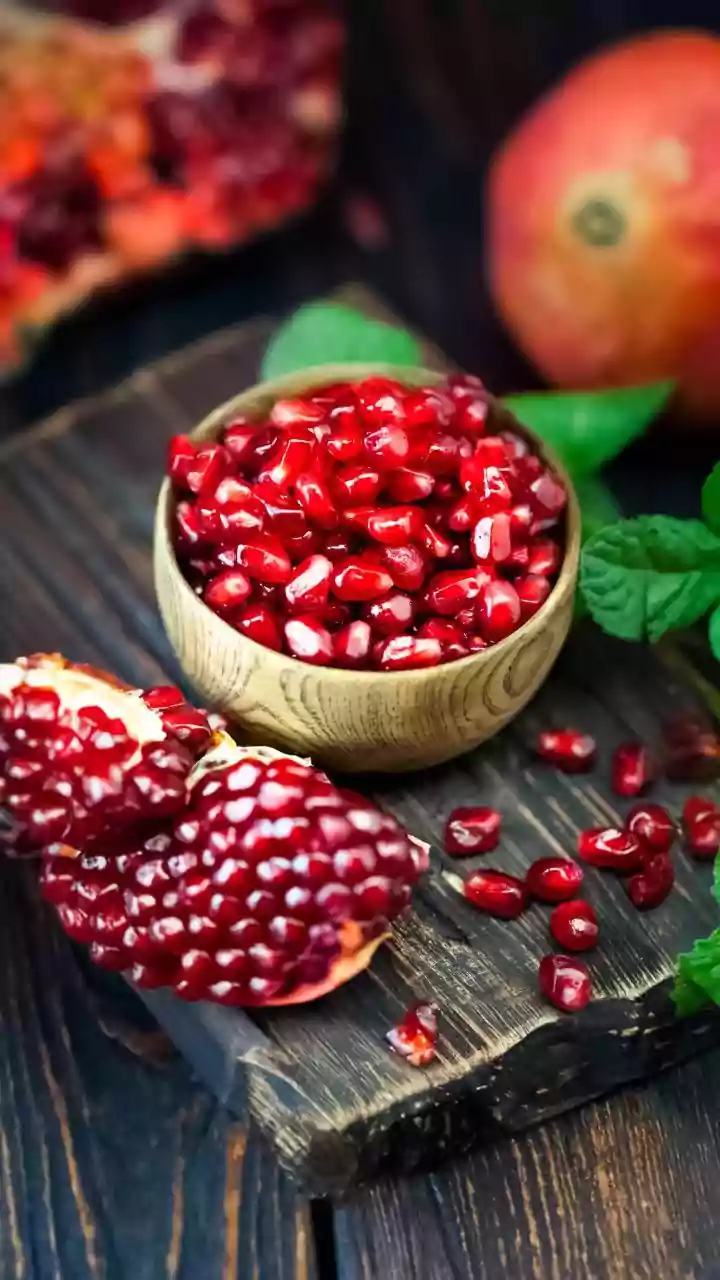
Gopalkala, also known as Dahi Poha, is a savoury dish believed to be a favourite of the young Krishna. According to folklore, Krishna would mix the food brought by his cowherd friends with curd, creating this simple yet flavorful snack. This recipe beautifully symbolizes community and equality. To make Gopalkala, rinse a cup of poha (flattened rice) to soften it. In a bowl, combine the softened poha with half a cup of yogurt, finely chopped cucumber, and freshly grated coconut. Add salt, a pinch of sugar, and finely chopped green chillies for flavour. For a finishing touch, prepare a tempering by heating a teaspoon of ghee and spluttering some cumin seeds, which is then poured over the mixture. Garnish with pomegranate seeds and fresh coriander.
5. Coconut Ladoo: A Quick Sweet Treat
Ladoos are a quintessential Indian festive sweet, and coconut ladoos are one of the quickest and easiest versions to make. These bite-sized treats require just a few ingredients and minimal cooking time. To prepare them, heat a pan and add two cups of desiccated coconut and one can (about 400g) of sweetened condensed milk. Cook the mixture on low heat, stirring continuously for about 5-7 minutes until it thickens and starts to leave the sides of the pan. Add a pinch of cardamom powder for fragrance. Let the mixture cool down slightly until it is comfortable to handle. Grease your palms with a little ghee and roll small portions of the mixture into round ladoos. You can roll the finished ladoos in some dry desiccated coconut for a beautiful finish.
6. Sabudana Khichdi: The Perfect Fasting Dish
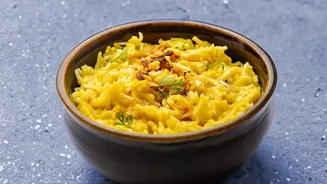
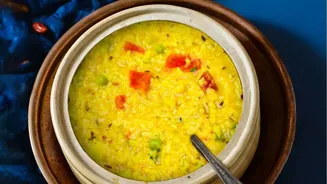
For those observing a fast (vrat) on Janmashtami, Sabudana Khichdi is a staple. It is a light, nutritious, and flavourful dish made from tapioca pearls. The key to a good khichdi is to soak the sabudana properly. Wash one cup of sabudana and soak it in just enough water to cover it for 5-6 hours. Once soaked, the pearls should be soft but not mushy. To cook, heat two tablespoons of ghee in a pan and add a teaspoon of cumin seeds. Once they splutter, add chopped green chillies and roasted peanuts. You can also add boiled and cubed potatoes. Sauté for a couple of minutes, then add the drained sabudana. Mix well and cook until the pearls turn translucent. Season with sendha namak (rock salt) suitable for fasting.