




A New Culinary Map of India
The real growth story in India's food and beverage industry is no longer confined to Delhi, Mumbai, and Bengaluru. A significant shift is underway, with Tier 2 and Tier 3 cities like Indore, Surat, and Bhubaneswar becoming the new hotspots for culinary
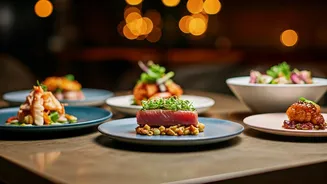
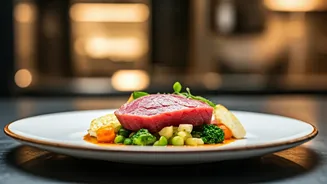
innovation. Consumers in these cities are looking for more than just standard fare; they crave gourmet burgers, artisanal pizzas, and international flavours like Korean and Japanese. This trend of 'premiumisation' is visible as diners actively seek out aesthetic cafés and branded dining experiences. This isn't just about restaurants; the boom extends to packaged foods, with a rising demand for products that offer hygiene, quality, and aspirational flavours previously considered exclusive to metros. Reports indicate that while metros remain significant, it is the Tier 2 and 3 cities that are set to drive the majority of incremental growth for the food industry.
The Key Ingredients of Change
Several factors are simmering together to create this new food culture. Rising disposable incomes are a primary driver, giving consumers more power to spend on dining out and premium products. This economic shift is coupled with a digital revolution. Greater internet penetration and the pervasive influence of social media platforms like Instagram have exposed a young, aspirational population to global food trends. They see food influencers and global media, and they want to taste that world in their own hometowns. Furthermore, rapid urbanisation and an increase in working couples have made convenience a top priority, boosting demand for Quick Service Restaurants (QSRs) and ready-to-eat meals. This powerful combination of aspiration, access, and affordability is fundamentally changing consumption patterns.
How Food Delivery Fanned the Flames
Food delivery platforms like Zomato and Swiggy have been instrumental in this transformation, acting as a crucial bridge between new restaurants and curious customers. Their expansion into non-metro cities has democratised access to a diverse range of cuisines, from Pan-Asian to Italian. These apps didn't just offer convenience; they created a viable market for cloud kitchens and delivery-only brands, allowing entrepreneurs to experiment with new food concepts without the high overheads of a traditional restaurant. Major QSR chains have taken note, with brands like Domino's and McDonald's aggressively opening a majority of their new outlets in Tier 2 and 3 locales, often tailoring their menus with regional specialities to appeal to local tastes. This digital infrastructure has proven to be a game-changer, making it easier than ever for consumers to explore beyond their culinary comfort zones.
More Than a Trend, A Reflection of a New India
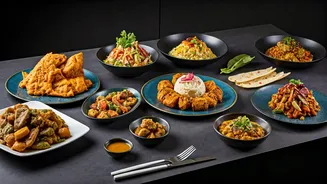
This culinary evolution is more than just about food; it's a barometer of a larger societal change. The decentralisation of retail growth, with smaller cities outpacing metros, reflects a newfound economic confidence. Consumers in these cities are no longer passive recipients of trends set in the metros; they are active participants in shaping the national palate. They demand the same quality and variety but on their own terms, blending global aspirations with local tastes. The success of regional cuisine chains, which are now expanding from their home states to other cities, is another sign of this confident exchange of cultures within India. The line between 'metro' and 'non-metro' tastes is blurring, creating a more integrated and dynamic national food landscape. This shift signifies that aspiration and a desire for quality experiences are now pan-Indian phenomena.