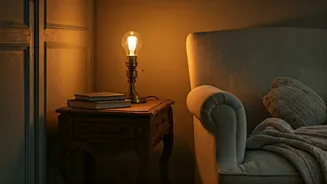




The End of the Awkward Corner
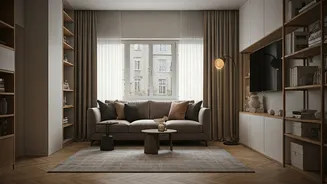
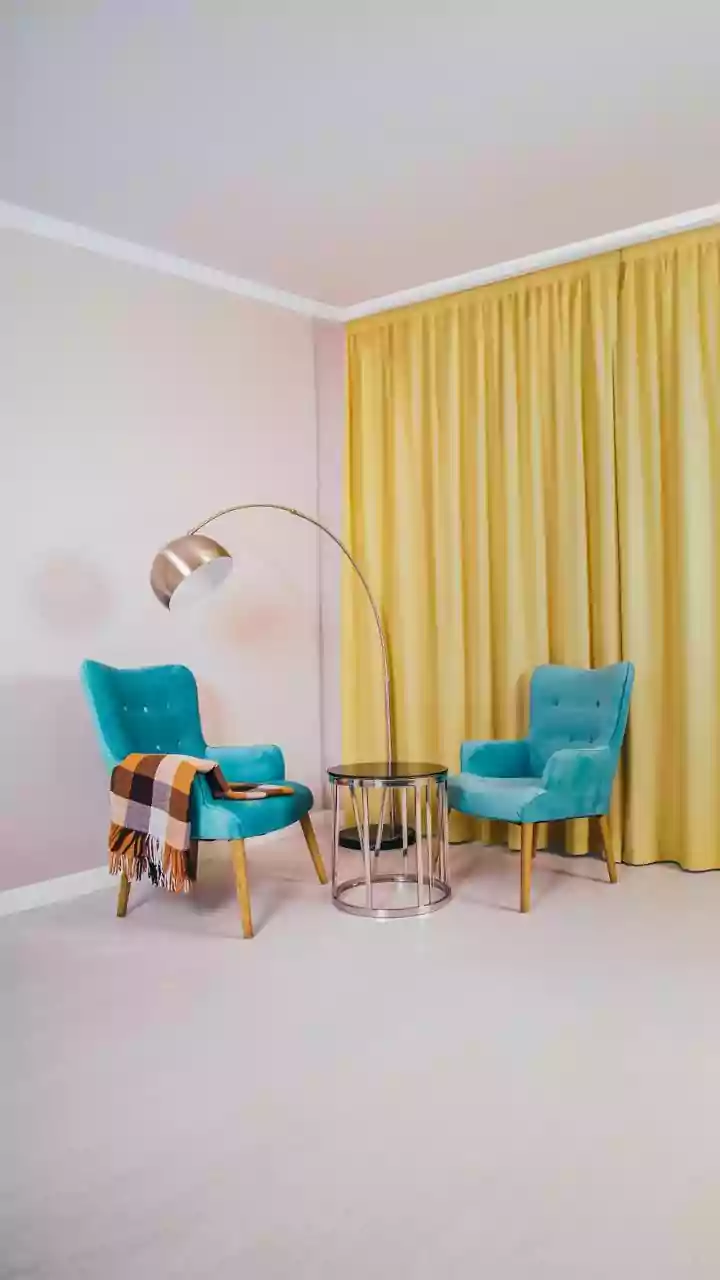
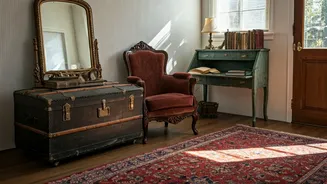
For years, corners have been the bane of interior design—often underutilised, collecting dust, or awkwardly housing a piece of furniture that doesn't quite fit. [1, 11] This is especially true in smaller apartments and homes where every square inch counts.
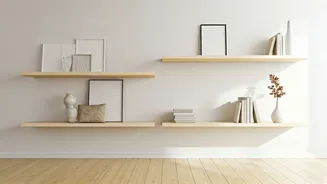
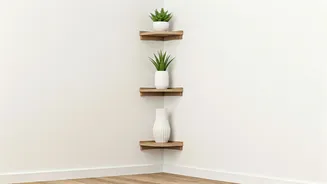
[7, 11] Floating corner shelves offer a brilliant solution by reclaiming this vertical real estate. Unlike bulky bookcases or cabinets that eat up floor space, these shelves mount directly to the wall, creating storage and display opportunities out of thin air. [1, 11] The result is a room that feels more complete, intentional, and visually larger because the floor remains clear and the corner is activated. [2, 5]
Why Wood, Why Floating?
The magic of this trend lies in its two key elements: the material and the method. Wood brings an inherent warmth, texture, and connection to nature that softens the hard angles of a corner. [18] Whether it’s the light, clean feel of birch, the rustic charm of reclaimed pine, or the rich depth of walnut, wood adds an organic touch that complements nearly any decor style, from minimalist to farmhouse. [7, 15] The “floating” aspect, achieved with hidden brackets, creates a clean, minimalist aesthetic that is effortlessly modern. [13, 14] This gravity-defying look makes the shelves appear as if they are emerging organically from the walls, turning a simple storage solution into a genuine design feature. [13, 20]
A Style for Every Space
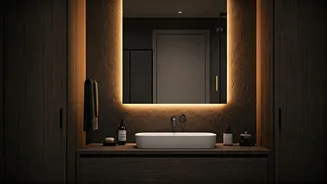
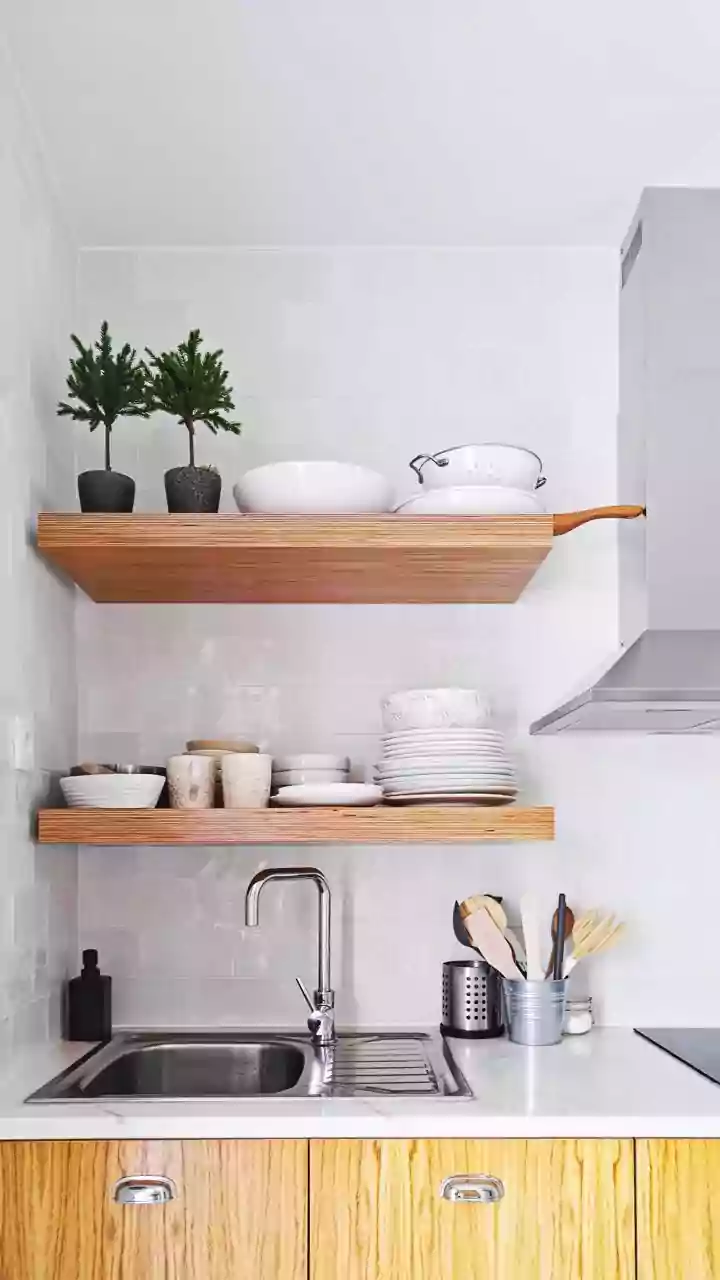
The versatility of floating wooden corner shelves is a huge part of their appeal. [2] They are not a one-size-fits-all solution but a flexible concept that adapts to any room. In the living room, they can create a cozy reading nook or a stage for art and photos. [16] In the kitchen, they are perfect for organising spices, displaying cookbooks, or creating a tidy coffee station, keeping counters clear. [1, 10, 16] Bathrooms, often tight on space, benefit from corner shelves holding toiletries, rolled towels, or scented candles to create a spa-like feel. [10, 19] They can even replace bulky nightstands in a bedroom, offering a spot for a lamp and a book without crowding the bedside. [16]
More Than Just Holding Books
While perfect for books, these shelves invite creativity. Think of them as a curated display stage. [5] You can create a green oasis by filling them with trailing plants like pothos or string of pearls. [10] In the dining room, use them to showcase seasonal serving pieces. [8] For a more personal touch, arrange a collection of framed photos, travel souvenirs, and unique memorabilia that tells a story. [10] The key to successful styling is balance; mix objects of different heights and textures, such as a stack of books, a ceramic vase, and a small plant, to create a vignette that feels dynamic and purposeful rather than cluttered. [8]
Getting the Installation Right
The floating effect relies on a sturdy, hidden installation. Most designs use an internal frame or specialised brackets that are screwed into the wall studs. [4, 6] Finding the studs is the most critical step to ensure the shelf can handle weight and won't sag over time. [4, 12] While many ready-made options are available, this is also a popular and manageable DIY project for those comfortable with basic tools. [9, 12] The process typically involves building a simple wooden cleat system, mounting it securely to the wall, and then sliding a hollow shelf box over it. [3, 6] Whether you buy or build, ensuring the shelf is level and securely anchored is paramount for both safety and aesthetics.