






The Green Wave of Expansion
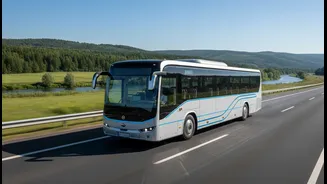
Several key players are driving this electric transition, rapidly adding new routes across southern and western India. Just this week, zingbus announced plans to deploy over 200 premium and electric buses in partnership with 50 operators. This expansion
targets major travel hubs in states like Telangana, Andhra Pradesh, Karnataka, Tamil Nadu, Kerala, Maharashtra, and Goa. The company aims to introduce over 50 of these electric buses in 2026 alone, part of a longer-term goal to have 1,000 electric buses by 2030. Similarly, GreenCell Mobility's NueGo has been aggressively growing its network, recently expanding to connect over 120 cities. Their new routes include high-demand corridors like Bangalore to Mangalore and Vijayawada to Chennai, demonstrating a clear focus on connecting key business and leisure destinations. Other operators like Fresh Bus, which started with just five buses in 2023, now operate nearly 100 and aim for 500 within three years, showing the rapid pace of adoption in the sector.
What 'Premium' Really Means for Passengers
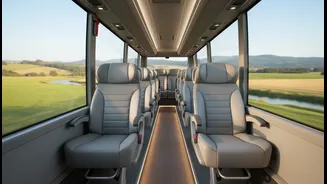
This new generation of buses is not just about changing the fuel source; it's about upgrading the entire travel experience. For passengers, 'premium' translates to a host of airline-like amenities. Operators like Fresh Bus and NueGo offer noise-free, fully air-conditioned cabins, comfortable seats with significant recline, personal charging docks, and Wi-Fi. Some services also provide amenity kits, complimentary water bottles, and real-time tracking. Safety is another major focus. NueGo's fleet, for instance, undergoes 25 safety checks before each departure and is equipped with CCTV surveillance and speed-limiting technology. Zingbus is rolling out buses with driver drowsiness-detection systems. The near-silent powertrain of an electric bus also significantly reduces cabin noise and vibrations, making for a much more relaxing journey compared to traditional diesel coaches.
Mapping the New Electric Corridors
The expansion is heavily concentrated in southern and western states, regions known for high passenger traffic between Tier-1 and Tier-2 cities. Zingbus is targeting routes connecting major hubs like Hyderabad, Vijayawada, Bengaluru, Chennai, Mumbai, Pune, and Goa. NueGo has recently launched services on routes such as Chennai-Salem, Bangalore-Mangalore, and Vijayawada-Tirupati. Fresh Bus, which launched on the Bengaluru-Tirupati route, is also expanding its network across the south and has its sights set on the high-demand Hyderabad-Bengaluru corridor for its new all-sleeper fleet. This strategic focus on high-traffic routes allows operators to maximize vehicle utilization and cater to a growing demographic of travellers who prioritize comfort and sustainability.
The Roadblocks: Charging and Costs
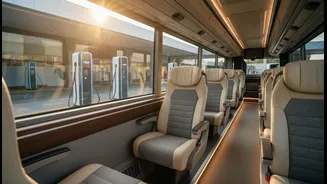
Despite the rapid growth, the journey is not without its challenges. The biggest hurdle remains charging infrastructure. While operators like Fresh Bus have taken the initiative to build their own charging stations, a widespread, reliable public charging network for heavy vehicles is still lacking. This can lead to range anxiety and operational constraints, especially on longer routes. To counter this, companies are innovating. Fresh Bus has partnered with Exponent Energy to develop buses capable of rapid 15-minute charging en route, a move designed to make long-haul EV operations commercially viable. Another significant barrier is the high upfront cost of electric buses, which can be more than double that of their diesel counterparts. While government subsidies exist, operators still face challenges in securing financing due to the high asset cost and perceived risks around battery life and resale value.
Driving Towards a Sustainable Future
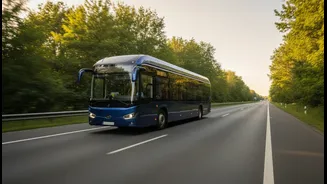
The expansion of premium electric buses is more than just a business trend; it's a crucial step towards decarbonizing India's transport sector. Buses make up only 1% of India's vehicle fleet but are responsible for a disproportionately high 15% of road transport emissions. Each electric bus that replaces a diesel one offers significant reductions in CO2 emissions and eliminates harmful air and noise pollution. This shift aligns with India's broader climate goals and push for electric mobility. The model being pursued by companies like zingbus, which partners with local operators, also helps modernize the entire ecosystem by combining new technology with regional expertise. As battery technology improves, costs come down, and charging infrastructure becomes more widespread, this quiet revolution on India's highways is set to accelerate, making clean and comfortable intercity travel the new normal.