



Why This Trend is Everywhere
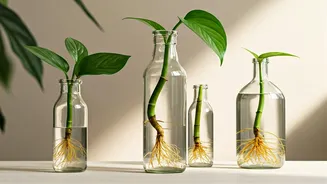
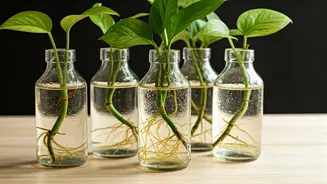
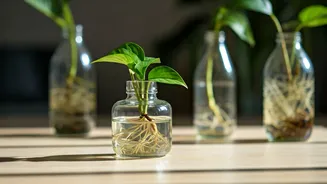
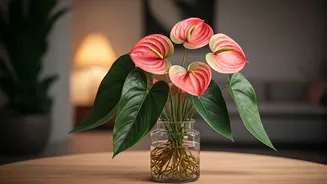
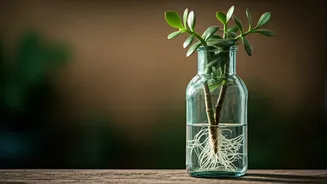
The “explosion” in popularity for this technique isn't an accident. It’s a perfect storm of modern home trends. Firstly, it’s visually stunning. The sight of delicate white roots emerging from a green stem, all visible through clear glass, is like a tiny
science experiment unfolding on your windowsill. It turns a simple gardening task into a piece of living art. Secondly, it’s incredibly sustainable. Instead of ending up in the recycling bin, old chutney jars, gin bottles, or perfume flacons get a second life as beautiful propagation stations. This taps directly into the growing desire for upcycling and reducing household waste. Finally, it's almost foolproof, making it an ideal entry point for beginner plant parents who might be intimidated by traditional soil propagation. This combination of aesthetics, eco-consciousness, and simplicity is why you’re seeing it everywhere.
What You'll Need
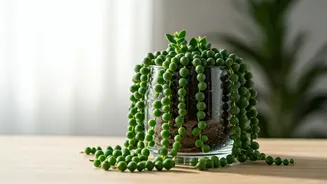
The beauty of this method lies in its simplicity. You don't need a trip to a specialty garden centre or any expensive equipment. All you need are a few basic items you likely already have at home: 1. A Healthy Trailing Jade Plant: Look for a mature plant (Senecio jacobsenii) with long, healthy stems to take cuttings from. 2. Clean, Sharp Scissors or Pruners: Using a clean tool prevents the transfer of diseases to both the mother plant and the new cutting. 3. A Recycled Glass Bottle or Jar: Clear glass is best, as it allows you to monitor root growth and water levels. Ensure it’s thoroughly washed with soap and water to remove any residue. 4. Water: Regular tap water is usually fine. If your water is heavily treated, you can let it sit out for 24 hours to allow chlorine to evaporate.
A Simple Step-by-Step Guide
Ready to create your own? Follow these simple steps to successfully propagate your Trailing Jade in water. Step 1: Take Your Cuttings. Identify a healthy stem on your Trailing Jade. Using your clean scissors, snip off a piece that is at least 4-6 inches long. Make the cut just below a leaf node (the little bump where a leaf grows from the stem), as this is where new roots will emerge. Step 2: Prepare the Cutting. Gently remove the leaves from the bottom 1-2 inches of the cutting. This is the part that will be submerged in water. Now, for the most crucial part: let the cutting sit in a dry, shaded spot for 24-48 hours. This allows the cut end to 'callus' over, which is essential for preventing rot when you place it in water. Step 3: Place in Water. Fill your clean glass bottle with water. Place the callused cutting into the bottle, ensuring the leafless part of the stem is submerged but the remaining leaves are well above the waterline. Step 4: Wait and Watch. Place your bottle in a spot that receives plenty of bright, indirect sunlight. Now, be patient. You should start to see tiny white roots emerge from the nodes in 2-4 weeks. Remember to change the water every 5-7 days to keep it fresh and oxygenated.
Transitioning to Soil
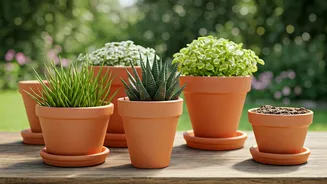
While your Trailing Jade can live in water for quite some time, it will eventually need the nutrients from soil to truly thrive. Once the new roots on your cutting are about 1-2 inches long, it’s time to pot it up. Choose a small pot with a drainage hole and fill it with a well-draining succulent or cactus mix. Make a small hole in the soil, gently place the rooted cutting inside, and backfill around it. Water it lightly. For the first week or two, keep the soil slightly more moist than you would for a mature succulent to help the 'water roots' acclimate to their new soil environment. After that, you can switch to a regular succulent watering schedule—allowing the soil to dry out completely between waterings.
Common Mistakes to Avoid
While this process is easy, a few common slip-ups can derail your efforts. First and foremost, don't skip the callusing step. Placing a fresh-cut succulent directly into water is the fastest way to encourage stem rot. Secondly, don’t use an opaque container. You need to see what’s happening—monitoring for root growth or any signs of murkiness in the water is key. Lastly, don't forget to change the water. Stagnant water loses oxygen and can harbour bacteria, which is bad news for your developing cutting. A weekly refresh is all it takes to provide a healthy environment for new roots to grow strong.