









A Historic Launch on the Horizon
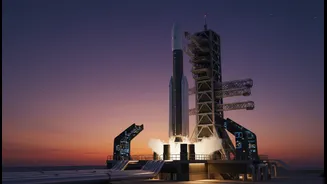
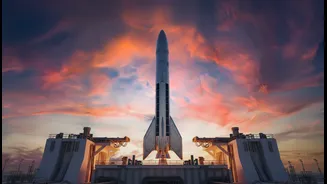
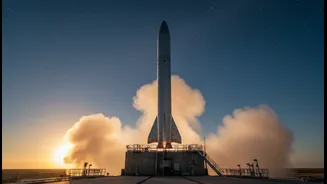
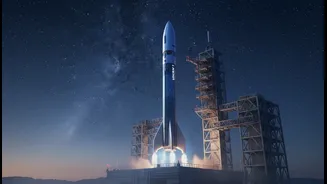
On July 18, Hyderabad-based startup Skyroot Aerospace is set to make history by launching Vikram-1, India's first privately developed orbital-class rocket. The mission, named 'Aagaman' (Arrival), will lift off from the Satish Dhawan Space Centre, the same
launchpad that sent Indian missions to the Moon and Mars. The seven-storey-tall vehicle is designed to carry small satellites up to 350 kg into low Earth orbit and features cutting-edge technology, including an all-carbon composite structure and 3D-printed engines. A successful flight would be a monumental achievement, validating years of work by the private company and officially heralding a new era for India's commercial space industry.
From IT Hubs to the Final Frontier
The buzz around companies like Skyroot, Agnikul Cosmos, and Pixxel is creating a powerful gravitational pull for India’s brightest engineering minds. For decades, a coveted job at a multinational IT corporation was the definitive career goal for many tech graduates. Today, that narrative is changing. Young professionals are increasingly drawn to the dynamic, high-impact environment of space startups. They are trading the structured, slower-paced career paths of large corporations for the chance to build something from the ground up, wear multiple hats, and see their work contribute directly to launching rockets and deploying satellites.
Why Space, and Why Now?
This talent migration is no accident. It's fueled by a perfect convergence of policy, ambition, and opportunity. In 2020, the Indian government opened the space sector to private participation, a seismic shift from the decades-long dominance of the Indian Space Research Organisation (ISRO). This reform led to the creation of IN-SPACe, a single-window agency to promote and authorise private space activities, effectively rolling out the welcome mat for entrepreneurs. As a result, India's space startup ecosystem has exploded, growing from a handful of companies to nearly 400 in just a few years. With the national space economy valued at $8.4 billion and projected to hit $44 billion by 2033, the opportunity is immense.
More Than Just Rockets
While launch vehicle companies like Skyroot and Agnikul often grab the headlines, the career opportunities span the entire space value chain. Graduates are finding roles in a diverse ecosystem of startups. Companies like Pixxel are building constellations of hyperspectral imaging satellites for earth observation. Dhruva Space offers full-stack satellite and ground station solutions. Others like Digantara and Cosmoserve are focused on space sustainability, developing technologies to monitor and remove space debris. This variety means that engineers with skills in software, AI, data analytics, robotics, and materials science are just as in demand as traditional aerospace engineers.
Challenges on the Launchpad
The journey, however, is not without its challenges. The space industry is notoriously difficult, with high upfront costs, long development cycles, and the ever-present risk of failure. While investment is growing, it's a high-risk, high-reward environment. For the graduates choosing this path, it means embracing uncertainty and a demanding work culture that often comes with lower initial salaries compared to their MNC counterparts, offset by the potential of equity and invaluable hands-on experience. But for many, the allure of being part of a mission-driven team at the forefront of Indian innovation is a powerful motivator, proving that the sky is no longer the limit for their ambitions.