



A Future Travel Hotspot
Recent travel trend reports are flagging Rupsi as a breakout destination for 2027, noting a massive surge in traveller interest. This isn't just about a new pin on the map; it’s about a growing desire for authentic experiences away from the usual tourist
circuits. Located in Lower Assam, Rupsi serves as a gateway to the state's lesser-explored western districts of Kokrajhar and Dhubri. For years, this region remained on the periphery of the tourism boom. Now, with improved connectivity and a renewed focus on local heritage, Rupsi is poised to offer a travel experience that blends history, nature, and culture in a way few other places can.
From Wartime Runway to Modern Gateway
At the heart of Rupsi's story is its airport, a site with a remarkable history. Originally built by the British during World War II, this airfield was a crucial supply base for Allied forces in the China-Burma-India theatre. After decades of neglect following the war and a brief period of civilian flights in the 1980s, the airstrip fell silent. However, under the government's UDAN scheme, the airport was redeveloped and began commercial operations again in May 2021. This revival has been a game-changer, connecting Rupsi with major cities like Guwahati and Kolkata and slashing travel time to this remote region from a day-long road journey to a short flight.
Gateway to Natural Sanctuaries
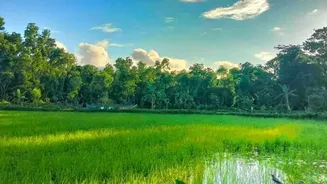
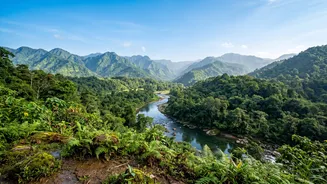
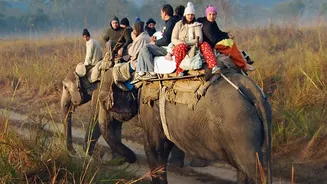
For nature lovers, Rupsi's strategic location is its biggest draw. It provides easy access to some of Northeast India’s most significant but least-crowded wildlife habitats. Chief among them is the Chakrashila Wildlife Sanctuary, the second protected home for the rare and beautiful Golden Langur. Spread across hills and dotted with serene lakes like Dhir and Diplai, the sanctuary is a haven for birdwatchers and trekkers. Nearby, Raimona National Park in Kokrajhar district also beckons with its rich biodiversity. The landscape here is dominated by the mighty Brahmaputra and its tributaries, offering a glimpse into the riverine life that defines Assam.
A Tapestry of Culture and Faith
The region around Rupsi is a melting pot of cultures and traditions. A short drive away is the village of Asharikandi, famous for its centuries-old tradition of terracotta craftsmanship. Recently awarded a Geographical Indication (GI) tag, the village is home to generations of artisans who create stunning pottery and idols, including the iconic 'Hatima' doll. The area is also rich in spiritual heritage. The town of Dhubri hosts the Gurudwara Sri Guru Tegh Bahadur Sahib Ji, a site visited by the first Sikh Guru and established by the ninth. Further exploration reveals the Mahamaya Dham, a revered Shakti shrine, and the historic Rangamati Mosque, reflecting the diverse faiths that have coexisted here for centuries.
Planning Your Trip to Rupsi
Thanks to its airport, getting to Rupsi is more convenient than ever, with direct flights connecting it to Guwahati and Kolkata. The best time to visit is between October and March, when the weather is cool and pleasant, ideal for sightseeing and wildlife spotting. A trip to Rupsi is perfect for the curious traveller—someone who seeks to understand a place through its history, connect with its natural environment, and appreciate its living culture. It's for those who want to see a different side of Assam, one that is slowly and gracefully stepping into the light.