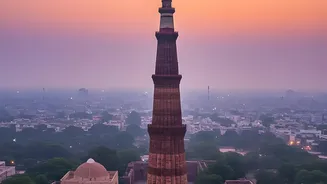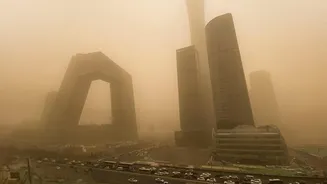






The end of the monsoon often brings a welcome crispness to the air. But in many Indian cities, October is a precarious month—a turning point where clear skies can quickly give way to a thick, hazardous haze. What makes this month so pivotal for air quality?
The Calm Before the Smog
October begins with the retreat of the southwest monsoon, a process that washes away pollutants and leaves behind clearer skies and pleasant temperatures. This period often feels like a refreshing change after months of humidity. However, this calm is deceptive. The withdrawal of the monsoon signals a fundamental shift in weather patterns that lays the groundwork for pollution to accumulate. As the month progresses, winds tend to slow down, and temperatures begin to drop, especially during the night. This creates a condition known as temperature inversion, where a layer of cool air gets trapped under a layer of warmer air, acting like a lid over the city. Pollutants emitted at the ground level can no longer disperse and become concentrated, leading to a rapid decline in air quality.
The Agricultural Equation
A major factor contributing to the October smog is the post-harvest practice of stubble burning in the agricultural plains of North India. Farmers in states like Punjab and Haryana, after harvesting their paddy (rice) crop, have a very short window to clear their fields and sow the next crop, which is typically wheat. Burning the leftover stubble is the quickest and cheapest method to prepare the land. This practice, which intensifies from mid-October, releases massive plumes of smoke containing particulate matter (PM2.5 and PM10), carbon monoxide, and other toxins into the atmosphere. Prevailing northwesterly winds then carry this smoke across the Indo-Gangetic Plain, blanketing cities like Delhi in a thick, hazardous haze. While the number of farm fires has seen reductions in some years, it remains a significant seasonal contributor to the region's pollution crisis.
The City's Own Burden
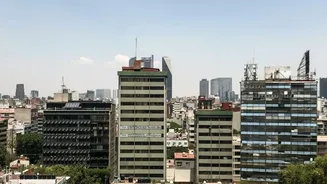
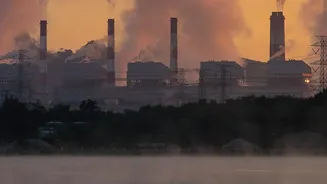
While agricultural fires are a major external contributor, it is the existing urban pollution that forms the toxic baseline. Emissions from vehicles, dust from construction sites, industrial activities, and open waste burning are year-round problems in most Indian cities. During October, these local pollutants get trapped by the same atmospheric conditions that prevent the smoke from farm fires from dispersing. Essentially, the city's own pollution becomes the foundation upon which external pollutants accumulate. The combination is potent. As wind speeds drop, pollutants that might have been blown away in other seasons now linger and build up, day after day, leading to the familiar grey and yellow skies of the pollution season.
The Policy Response Kicks In
Recognizing this annual crisis, authorities typically activate emergency measures in October. The most prominent of these is the Graded Response Action Plan (GRAP), implemented in Delhi-NCR. First notified in 2017, GRAP is a set of stage-by-stage responses that become progressively stricter as the Air Quality Index (AQI) worsens. Measures can range from banning diesel generator sets and enforcing pollution norms at construction sites in the initial stages, to restricting the entry of certain vehicles and even halting non-essential construction activities entirely if the air quality becomes 'Severe'. These actions are now typically invoked by the Commission for Air Quality Management (CAQM) based on forecasts, aiming to be proactive rather than reactive. October is, therefore, the first major test of the effectiveness and enforcement of these plans each year.
A Confluence of Factors
October stands at the crossroads of several colliding factors: meteorological shifts, agricultural cycles, persistent urban emissions, and policy interventions. It's the month when the atmosphere's ability to clean itself diminishes just as pollution sources ramp up. Furthermore, the lead-up to Diwali, which often falls in late October or early November, can bring an additional spike from firecrackers, exacerbating an already critical situation. This confluence makes October a crucial barometer for air quality. It reveals the deep-seated challenges of balancing agricultural practices, urban development, and public health, setting the stage for the difficult winter months ahead.