







From Afterthought to Main Event
Remember when 'recovery' just meant not going to the gym for a day? That era is over. Today, recovery is a scheduled, intentional, and often high-tech part of any serious fitness plan. What was once seen as downtime is now understood as 'uptime' for your
body’s repair systems. This shift has moved recovery from the footnotes of a training log to a headline act. Gyms are installing 'recovery lounges,' and athletes, both professional and amateur, are dedicating as much focus to their post-workout routine as the workout itself. It’s a profound change in mindset, recognising that growth and strength aren't built during the last rep, but in the hours and days that follow.
The Science of Smart Rest
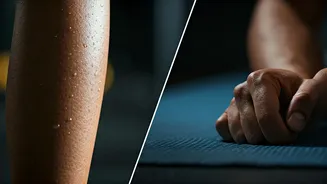
So, why the sudden obsession? The science, once confined to sports labs, has gone mainstream. Every tough workout creates microscopic tears in your muscle fibres and causes inflammation. This is a good thing — it’s the stimulus that signals your body to rebuild stronger. But that rebuilding only happens during recovery. Without adequate rest, you’re just breaking your body down. Effective recovery helps reduce inflammation, clear out metabolic waste like lactic acid, and repair muscle tissue. It also gives your central nervous system (CNS), which gets fatigued from intense exercise, a chance to recharge. Ignoring this process leads to overtraining, performance plateaus, and, worst of all, injury.
The Tech-Fueled Revolution
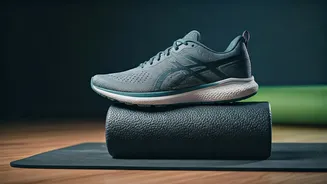
This new focus has created a booming market for recovery technology. It’s not just foam rollers anymore. Percussive therapy devices, like massage guns from brands like Theragun and Hyperice, are now a common sight in gym bags. These gadgets promise to break up muscle knots and increase blood flow. Then there are the pneumatic compression boots that inflate and deflate to massage your limbs, mimicking the body's natural circulatory flow to flush out waste. At the higher end, you’ll find infrared saunas, cryotherapy chambers that expose you to sub-zero temperatures, and flotation tanks. While the scientific jury is still out on the long-term efficacy of some of these tools, they have successfully reframed recovery as an active, bio-hacked process.
More Than Just Gadgets
While the technology is flashy, the recovery movement is about more than just expensive tools. At its core, it's a return to fundamentals. The single most powerful recovery tool remains sleep. Getting 7-9 hours of quality sleep is when your body produces the most growth hormone, essential for repair and muscle building. Nutrition and hydration are equally critical. Consuming enough protein after a workout provides the building blocks for muscle repair, while staying hydrated helps transport nutrients and regulate body temperature. Low-intensity activities, or 'active recovery,' also play a huge role. A gentle walk, a yoga session, or a swim can increase blood flow and aid recovery without adding more stress to the body.
Listening to Your Body, With Data
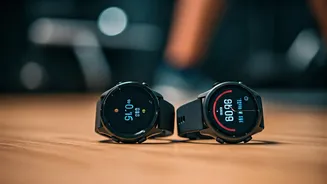
The final piece of the puzzle is data. Wearable technology like the Oura Ring and Whoop strap have changed the game by giving everyday users access to metrics once reserved for elite athletes. These devices track sleep stages, heart rate variability (HRV), and resting heart rate to generate a daily 'readiness' or 'recovery' score. This data empowers people to make smarter training decisions. Instead of blindly following a pre-written plan, you can adjust your workout intensity based on how recovered your body actually is. Feeling run down? Your wearable will likely agree, suggesting a lighter day. This data-driven approach fosters a more intuitive and sustainable relationship with fitness, teaching you to listen to your body's signals.