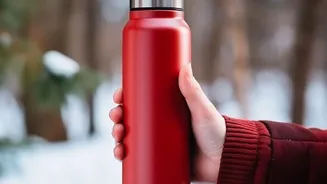







As temperatures drop, we reach for warm coats and scarves. But one crucial winter preparation is often overlooked: hydration. It's easy to associate dehydration with summer heat, but fluid deficits are surprisingly common in the cold.
The Body’s Deceptive Thirst Signal
The primary reason
we fall behind on fluids in winter is that our bodies don't tell us we need them. Research shows that cold exposure can reduce the sensation of thirst by up to 40%. This happens because when you're cold, your blood vessels constrict (a process called vasoconstriction) to pull blood away from your extremities and keep your core warm. This process, however, tricks the brain into thinking the body is adequately hydrated, suppressing the hormones that would normally trigger thirst. So, even as your body loses water, the urge to drink simply isn't there, making it easy to slip into a state of mild dehydration without ever feeling thirsty.
The Invisible Ways You Lose Water
Thirst isn't the only thing that's less obvious in winter; so is fluid loss. Every time you see your breath in the cold air, you're seeing water vapor leaving your body. Cold, dry air contains very little moisture, so your lungs must work harder to humidify the air you breathe in. This process causes significant respiratory water loss with every exhalation. In fact, studies show respiratory fluid loss can nearly double in very cold temperatures compared to mild ones. We also still sweat under heavy winter clothing, but it evaporates much faster in the dry air, so we don't get the same visual cue of being sweaty that we do in summer.
The Sneaky Signs of Winter Dehydration
Because the classic signs of thirst and sweat are absent, many people misattribute the symptoms of mild dehydration to general winter blues. These subtle but important signs can include persistent fatigue or a 'midday slump', trouble concentrating, and recurring headaches. Other common indicators are dry, itchy skin, chapped lips, and dizziness, especially when standing up. If you find yourself feeling sluggish, foggy, or irritable, a lack of fluids may be the culprit.
Why It Matters for Your Health
Even a mild, chronic fluid deficit can impact your well-being. Proper hydration is essential for nearly every bodily function, including transporting nutrients, regulating body temperature, and supporting the immune system. When you're dehydrated, your cognitive function can suffer, affecting memory and attention. Your physical performance can also decline, leading to muscle cramps and an increased risk of injury. Furthermore, staying hydrated helps keep your mucous membranes moist, which is a key line of defense against the viruses that are more common in winter.
Simple Ways to Stay Hydrated
Since you can't rely on thirst, the best strategy is to be proactive. Make a habit of sipping fluids throughout the day by keeping a water bottle at your desk or in your car. If cold water feels unappealing, warm beverages are just as effective. Herbal teas, hot water with lemon, and low-sodium broths or soups all contribute to your daily fluid intake while providing comfort. Eating water-rich foods like fruits, vegetables, and oatmeal can also help boost your hydration levels from the inside out. The key is to create a routine rather than waiting for your body's unreliable signals.