






The Engine Room of Instant Delivery
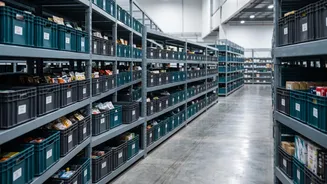
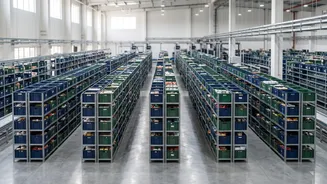
They are the invisible engine of the quick commerce revolution. Known as 'dark stores', these small warehouses are closed to the public and exist for one reason: to get online orders out of the door in minutes. Typically between 2,000 and 5,000 square
feet, they are strategically located in dense residential and commercial neighbourhoods. Inside, there are no shopping aisles or checkout counters. Instead, shelves are organised for maximum picking efficiency, allowing an employee to gather items for an order in as little as 90 seconds. Companies like Blinkit, Zepto, and Swiggy Instamart use sophisticated data analytics to stock each dark store with 3,000 to 5,000 of the most popular items specific to that neighbourhood's predicted demand. This hyperlocal approach is the secret to the 10-minute delivery promise; the journey starts just a few kilometres from your doorstep, not from a massive warehouse on the city's outskirts.
Why Bengaluru is the Epicentre
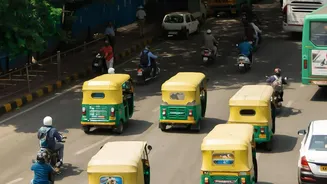
Bengaluru has become the undisputed capital of quick commerce in India, boasting more dark stores than any other city. As of mid-2026, the city had over 600 dark stores operated by major players, a figure that has grown rapidly. This intense concentration is no accident. The city's unique demographics—a young, tech-savvy population of working professionals with high disposable income—create the perfect customer base. Furthermore, Bengaluru's notorious traffic makes a quick trip to the store a time-consuming task, making the convenience of instant delivery even more attractive. The city's high-density apartment complexes are also a key factor; they are 'gold mines' for operators, allowing one delivery rider to serve dozens of orders within a single location, drastically improving the economics of the last mile. The result is one of India's most competitive markets, where platforms like Blinkit, Zepto, Swiggy Instamart, and others are in a constant battle for territory, speed, and customer loyalty.
Reshaping the Urban Landscape
The expansion of dark stores is having a tangible impact on Bengaluru's real estate market. These companies are leasing thousands of square feet of space, often revitalising underused commercial properties on the ground floor of office buildings, old shops, and other small urban spaces. This has created a new, rapidly growing sub-segment in commercial real estate, with warehouse leasing for quick commerce growing at a compound annual rate of 81% between 2021 and 2025. Bengaluru accounted for 17% of this leasing activity nationally between 2021 and mid-2026. This demand is pushing up rental prices in key areas. However, it also provides an economic lifeline to property owners with vacant spaces that are not suitable for traditional retail, turning dormant real estate into active logistical hubs.
The Human Cost of Convenience
The quick commerce model relies on a massive gig economy workforce of pickers inside the dark stores and riders on the streets. While this creates significant employment opportunities, the intense pressure of the '10-minute' promise has drawn criticism. Labour advocates and even government bodies have raised concerns about rider safety, mental stress, and the risk of accidents as delivery partners race against the clock. In response to this pressure, many platforms have quietly shifted their marketing away from a strict 10-minute guarantee to a more general promise of speed and reliability. They argue that delivery times are a function of the store's proximity, not rider speed, and that there are no penalties for slower deliveries. However, the perception of a race remains, highlighting the ongoing tension between customer convenience and worker welfare in this high-speed business model.